
Blog
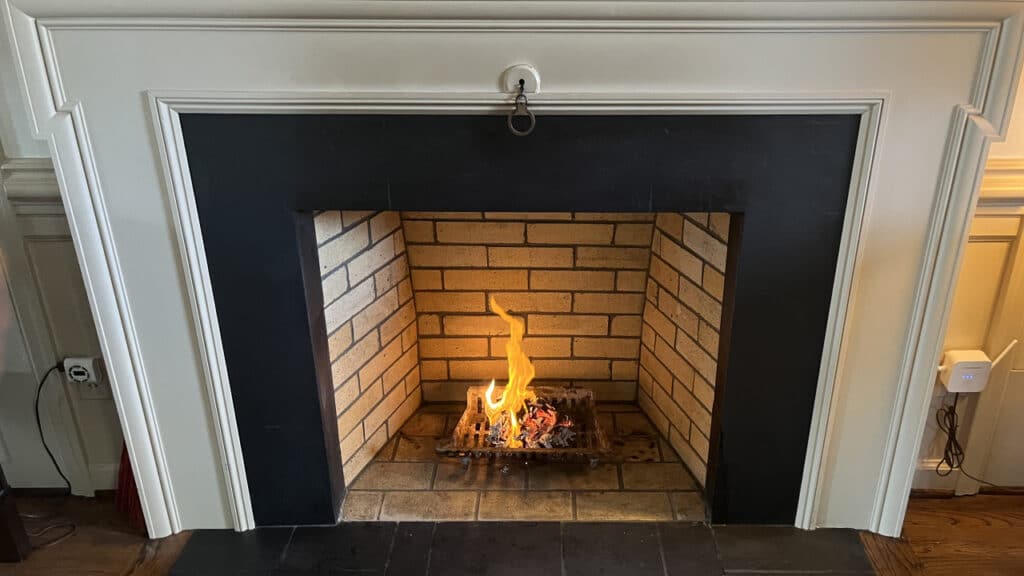
Chimney Sweep vs. Inspection: What’s the Difference?
If you book a chimney sweep, is the inspection already taken care of too? It's an easy assumption to make, since the two services get mentioned in the same breath so often.
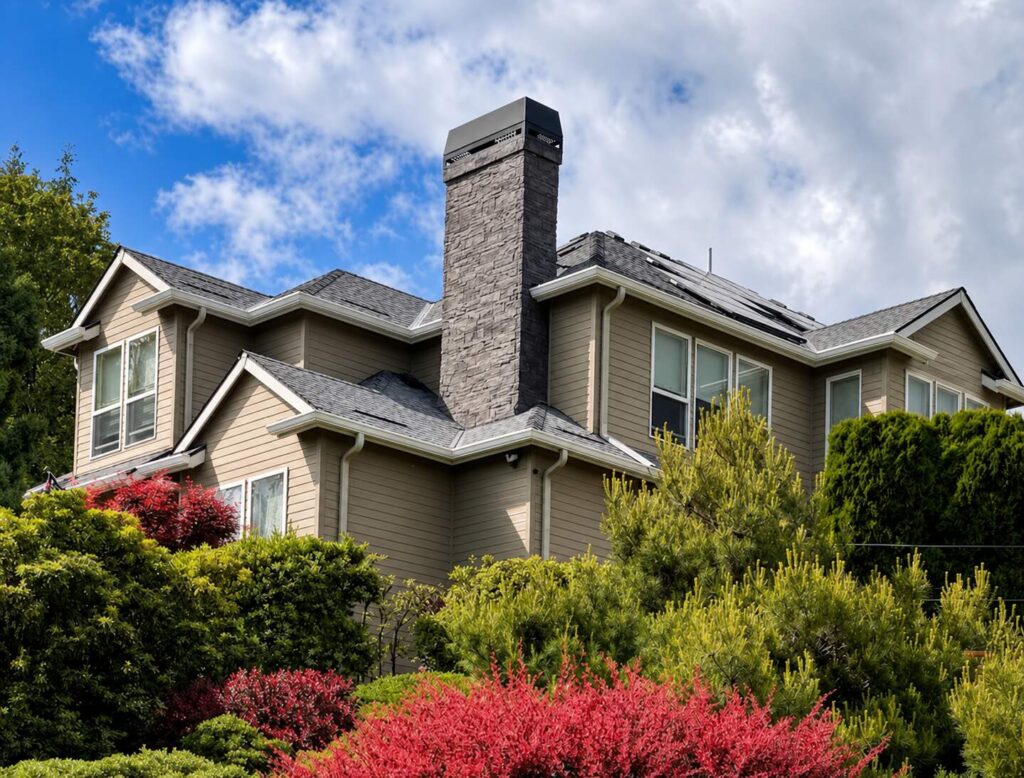
How Often Should You Sweep Your Chimney in Portland?
If you burn wood regularly, sweep your chimney at least once a year. That's the NFPA 211 standard, and it applies whether you burn nightly all winter or just on weekends.
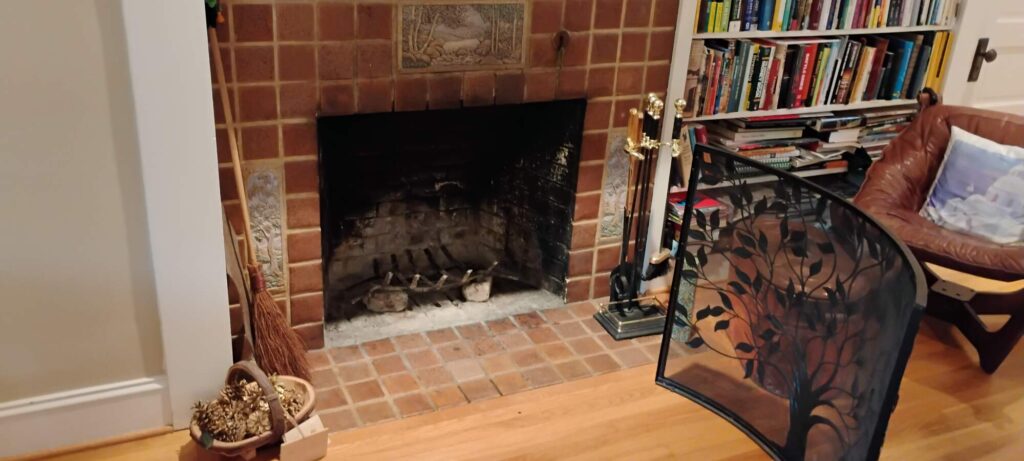
What Is Creosote and Why Does It Matter for Fire Risk?
You're settling in for a quiet evening in front of the fire when a fine dusting of dark flakes drifts down onto the hearth. Most Portland homeowners glance at it, sweep it up, and think nothing more of it.
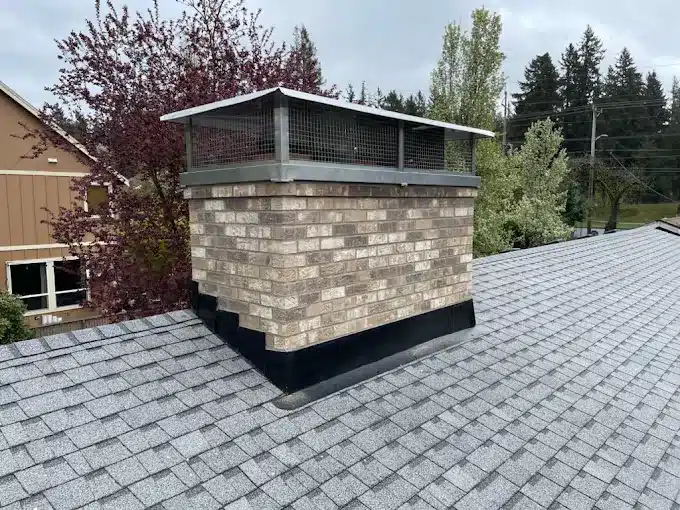
What Is a Chimney Cap?
A chimney cap is the metal cover installed on top of your flue, the vertical shaft that carries smoke and combustion gases out of your home. It's small, but it does a lot of work. Most caps have three parts.

How Portland Weather Impacts Chimney Masonry in Woodstock Homes
You might not notice it at first. Maybe the chimney cap looks a little darker after a long wet spell or you see a fine hairline crack that wasn’t there last winter.

Earthquake-Proof Your Chimney: A Practical Guide for Woodstock Homeowners
Even small tremors in the Portland area can be a warning for homes with older brick chimneys. Original masonry, without reinforcement, can cause those tall, heavy structures to easily crack during an earthquake.

What Are the Common Design Challenges with Woodstock Craftsman Chimney Systems?
Craftsman homes are admired for their handcrafted brickwork and timeless design, but those same features make their chimneys uniquely complex to maintain.

How Can Richmond Homes Stay Safe from CO Beyond Chimney Alarms
A warm fire on a winter night should feel comforting, not risky. Yet each year, hidden carbon monoxide leaks turn safe spaces into silent threats.

How Does Thermal Imaging Help with Chimney Problems in Richmond?
Behind the warmth of a winter fire, hidden chimney issues can quietly develop — from trapped moisture and small cracks to unseen heat loss. By the time smoke leaks or water stains appear, the damage is often already done.
