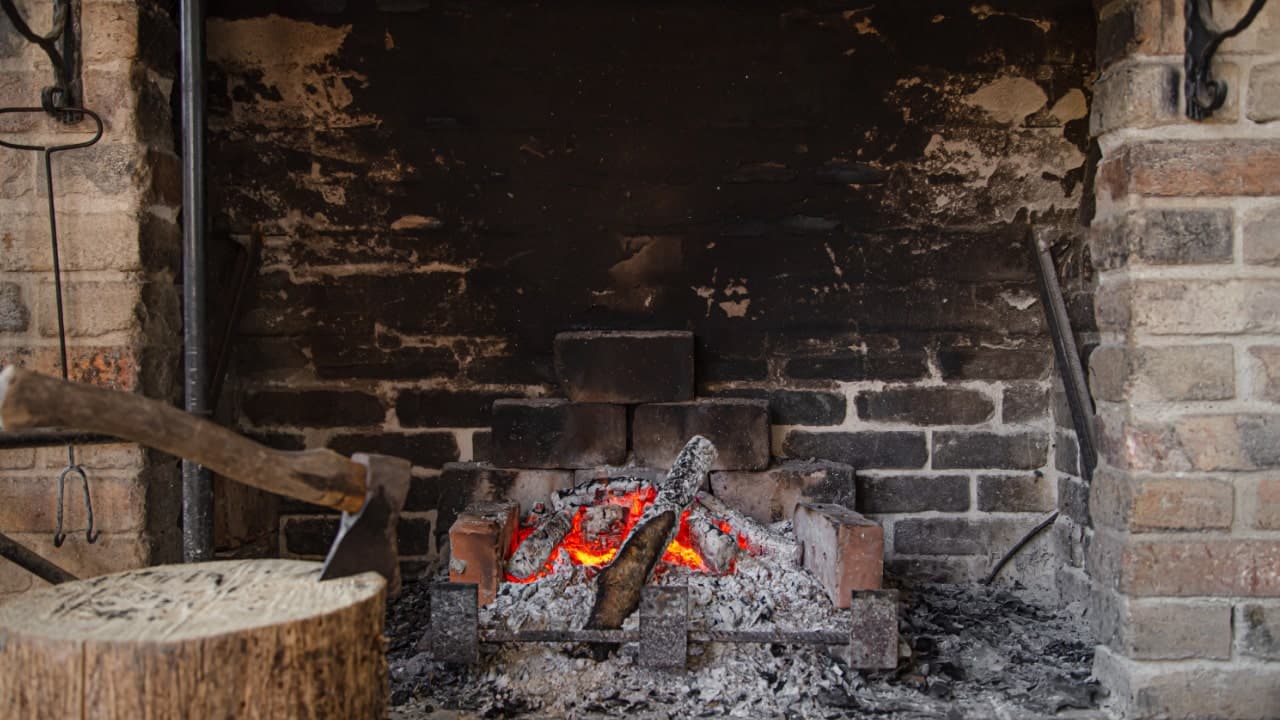
How Can Richmond Homes Stay Safe from CO Beyond Chimney Alarms
A warm fire on a winter night should feel comforting, not risky. Yet each year, hidden carbon monoxide leaks turn safe spaces into silent threats. The danger is invisible, odorless, and often strikes when windows are tightly closed and ventilation is poor.
For homeowners who rely on fireplaces or wood stoves, especially in Richmond’s older neighborhoods, the risk is real. Basic alarms are essential, but they only alert you after CO levels rise. True protection starts earlier, with proper airflow, regular maintenance, and expert inspections.
That’s where specialized chimney repair solutions in Richmond make all the difference. Professionals use advanced tools to detect cracks, leaks, and blockages that ordinary alarms can’t. Preventive care like this doesn’t just protect your home — it protects your family’s health and peace of mind.
Understanding the Invisible Threat

Carbon monoxide (CO) is produced whenever fuel—wood, gas, or oil—doesn’t burn completely. Inside your home, that means a fireplace, stove, or furnace struggling to breathe. Maybe the flue is clogged, maybe the damper’s stuck, or maybe that old masonry chimney isn’t drawing properly.
Invisible and odorless, CO spreads fast, displacing oxygen without warning. Minor headaches, light dizziness by the hearth, or pets acting strangely are subtle hints something’s off.
If you live near Ivon Street Park, you know the charm of those early-1900s homes, but aging chimneys and masonry cracks can let carbon monoxide seep inside unnoticed. Without a professional chimney inspection in Richmond, you might never know until symptoms appear.
Carbon monoxide safety isn’t about fear; it’s about foresight. The tools exist, technology’s improving, and professionals can detect issues your alarms might miss. That’s where advanced detection comes in.
Advanced CO Detection: Beyond Basic Alarms
A. Smart Detection Technology
Today’s CO detectors are far from basic. Multi-sensor systems can detect carbon monoxide, temperature changes, and even pressure shifts that warn of poor ventilation. They link to your phone, sending alerts instantly if something’s wrong.
Even the smartest tech depends on proper placement. You’ll want detectors near bedrooms, on every floor, and within 15 feet of any fireplace or wood-burning appliance. Replace them every five to seven years as sensors fade over time.
For detailed step-by-step installation advice, check the Carbon Monoxide Safety Toolkit by CPSC and NFPA — a trusted resource packed with tested safety practices for placement, testing, and maintenance.
B. Pressure & Draft Monitoring for Chimney Safety
This is where professionals take over. Alarms tell you when gas is already present; inspectors focus on why it formed. Draft pressure plays a big part. It’s what pulls smoke and gases up the chimney. When that flow weakens, exhaust can back up inside the flue and seep into living spaces.
Technicians use diagnostic tools like manometers and smoke tracers to test airflow. The difference between a healthy draft and a hazardous one can be a matter of inches of pressure. You’d never notice it without the right instruments.
The issue is most common in older Richmond houses near SE 45th Ave, where older vent systems and partial remodels have altered air circulation. A small structural change—adding insulation or sealing an attic can reduce draft efficiency without anyone realizing it.
C. Professional Environmental Testing
Professional carbon monoxide testing digs deeper than a wall-mounted sensor; it evaluates how your whole heating system behaves. Experts assess combustion efficiency, airflow balance, and flue performance to spot unseen leaks.
Infrared scanners, smoke pencils, and digital analyzers reveal what the human eye can’t. It’s not about selling new equipment—it’s about ensuring your current setup runs safely. If you want a closer look at how professionals detect these issues, read Thermal Imaging Reveals Hidden Issues in Richmond, Portland. It shows how microscopic cracks and air leaks appear once a technician shines the right light.
Placement and Maintenance: The Overlooked Essentials

Even the best detector can fail you if it’s installed incorrectly. Height matters—mount them around five feet from the floor, not up by the ceiling. That’s where air circulates most evenly.
Bedrooms, hallways, and basement stairways are priority zones. Homes near SE Windsor Ct, where many houses have basement wood stoves, pay attention to airflow. Warm air rises, trapping heavier gases below. CO tends to linger in those lower levels first.
Regular maintenance keeps all these systems running safely. Paired with a full inspection, you’re not just preventing carbon monoxide—you also improve efficiency, reduce smoke, and extend the life of your chimney.
It’s also the simplest way to stay ahead of regulations and insurance requirements. Most home policies assume you’re maintaining your venting system yearly. Skip it, and small damage can snowball into costly repairs—or worse, a safety hazard.
Professional CO Safety Assessments — What to Expect

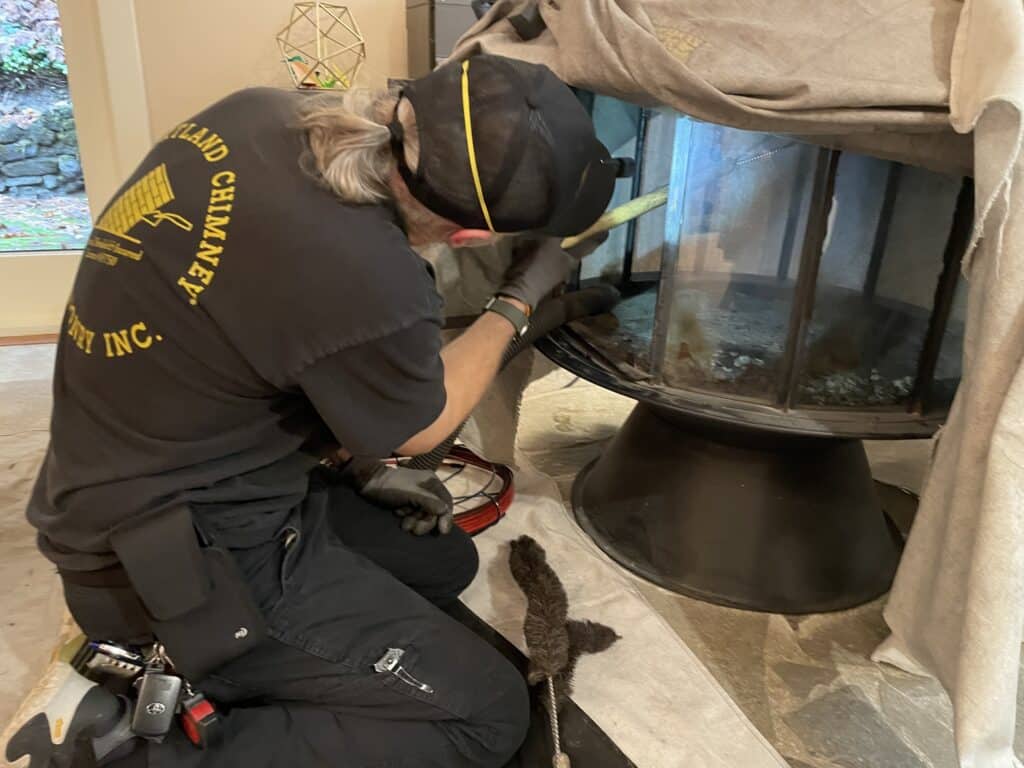
If you’ve never booked a professional CO inspection before, the process is straightforward, but surprisingly detailed. At Portland Chimney, it starts with airflow testing—our technicians use gauges to check how well the flue draws. Then they assess combustion sources, making sure your fireplace or stove is burning cleanly.
Next comes the liner and vent inspection. Using scopes or cameras, we examine for cracks, blockages, or misalignments. After that, the technician conducts precision carbon monoxide sampling, measuring gas levels at multiple points throughout your home.
The final step is a comprehensive report. We list findings, recommendations, and any small fixes that prevent big issues later. The point isn’t to upsell you—it’s to identify risks early. Think of it as a home health exam: preventative care that ensures your system performs safely year-round.
And the payoff? Cleaner air, more efficient heat, and peace of mind every time you light a fire.
The Missing Layer of Home Protection

A lot of people assume that if the CO alarm hasn’t gone off, everything’s fine. Unfortunately, that’s not how carbon monoxide works. By the time your detector activates, the concentration has already reached dangerous levels. Inspections, on the other hand, detect structural issues before gas builds up at all.
Picture this. A Richmond family loves their nightly fires in winter. Their alarm’s in perfect shape. But a hairline crack inside the chimney liner leaks exhaust into the wall cavity. The gas never hits the alarm’s sensor, but slowly seeps through insulation. Weeks later, everyone’s feeling foggy and tired. Only a professional inspection reveals the culprit—a structural failure, not a faulty detector.
That’s what “beyond basic” means. Not waiting for a warning beep, but preventing the reason for it. Alarms are reactive. Professional inspections are proactive. Together, they form the safety net your home actually needs.
Building a Safer Home: Partnering with Experts

Every element of home safety connects—detectors, airflow, maintenance, and expert oversight. When one fails, the others catch it. When all work together, your home runs efficiently and cleanly.
Certified technicians are trained to look beyond surface signs. They understand how draft pressure, humidity, and chimney conditions interact. Their testing doesn’t just measure gas—it interprets it, diagnosing the source so it never escalates.
If you’ve upgraded your fireplace recently, added insulation, or live in one of Richmond’s older neighborhoods, now’s the right time to schedule a safety assessment. Don’t wait until symptoms appear. Book your inspection or call (503) 256-9140. It’s a simple act that can make a lasting difference.
Frequently Asked Questions
How often should Richmond homeowners schedule carbon monoxide testing?
At least once a year—ideally in early fall before the heating season begins. That’s when drafts shift and your chimney starts working hardest. Annual testing ensures that detectors, vents, and combustion systems are performing safely before they’re stressed by cold weather.
What are the hidden signs of a carbon monoxide problem in older Richmond homes?
Subtle headaches, dizziness, fatigue, or a faint exhaust odor near your hearth can all be early warnings. Homes around Ivon Street Park, where many original masonry chimneys still stand, are especially vulnerable. Older brickwork and unlined flues can trap gases inside walls, turning minor wear into a real hazard.
Why is professional CO detection necessary for houses close to SE Windsor Ct?
Homes around SE Windsor Ct often feature basement stoves or heaters. These setups limit ventilation, allowing heavier gases to accumulate where detectors can’t always sense them. Professional technicians use draft gauges and combustion analyzers to identify problems before CO levels rise.
Why can’t modern smart detectors fully replace annual chimney inspections in Richmond homes?
Smart detectors are great at alerting you when gas levels increase—but only after it’s already in the room. Annual chimney inspections uncover the causes—cracked flues, obstructed vents, failing seals—before gas becomes a risk. Prevention always beats reaction.
Which Richmond neighborhood is most prone to CO problems?
Areas near SE 45th Ave and throughout the Richmond District tend to face more CO issues. These homes often rely on aging fireplaces and chimneys with worn liners or joints. Regular inspections keep those charming historic features safe for daily use.
