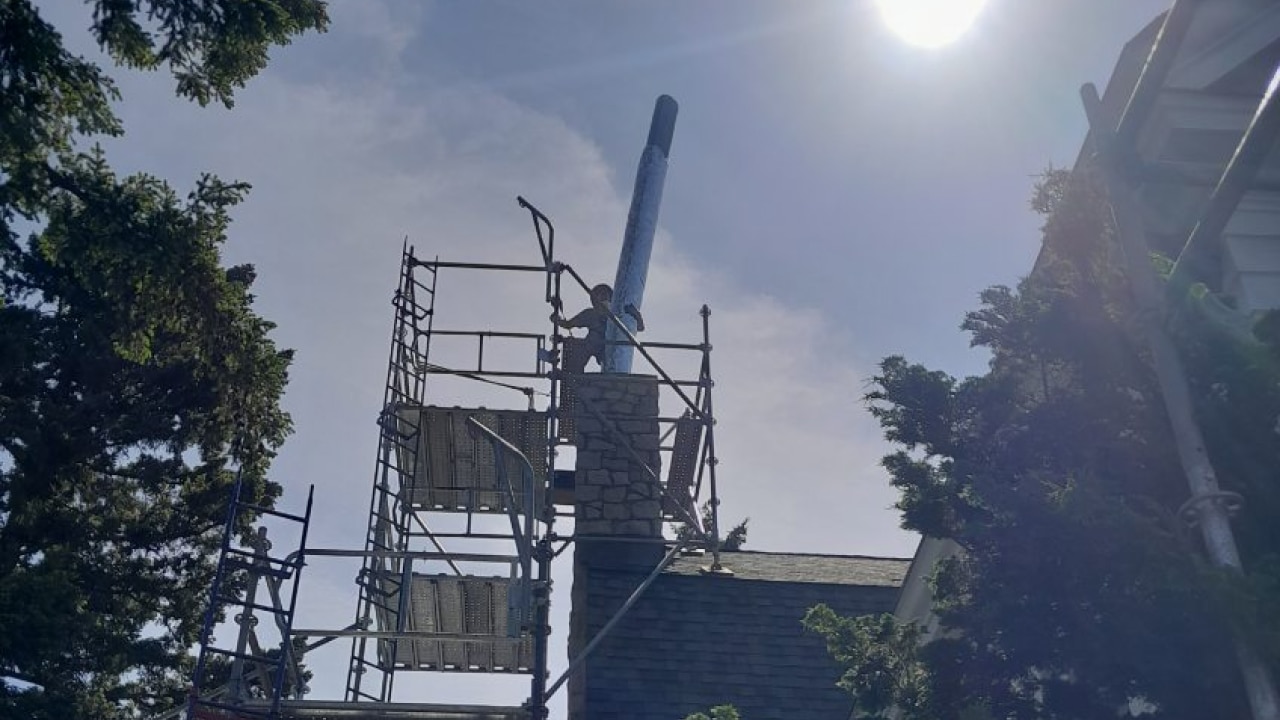
Earthquake-Proof Your Chimney: A Practical Guide for Woodstock Homeowners
Even small tremors in the Portland area can be a warning for homes with older brick chimneys. Original masonry, without reinforcement, can cause those tall, heavy structures to easily crack during an earthquake. When that happens, damage can spread quickly — from falling bricks to collapsed sections of the roof or walls.The good news is you don’t need a major retrofit to make your chimney safer. A professional inspection and a few key upgrades can significantly reduce the risk.
If your home still has its original brickwork, consider scheduling an evaluation with a reliable chimney repair specialist in Woodstock who understand both preservation and modern safety standards. A small improvement now can protect your home’s structure and its history when the ground starts to shake.
Understanding the Risk

Walk near Woodstock Bible Church, and you’ll see what gives this part of Portland its timeless character — sturdy brick facades, slender chimneys, and steeply pitched roofs that have seen a century of rain. Many of these homes were built long before seismic standards were part of city code. Their chimneys are tall and narrow, with mortar that’s grown brittle over decades of heat, moisture, and vibration.
During an earthquake, that combination becomes a weak link. You’ll sometimes hear it described as “the whip effect” — the base stays still while the top swings, multiplying stress along the shaft.
The neighborhood also sits on soft alluvial soil, the same kind that amplifies ground motion. What feels like a gentle sway downtown can turn into a strong jolt here. Add the area’s mix of century-old homes and you have a recipe for chimney damage that’s both common and costly. The challenge is balancing safety upgrades with preservation — reinforcing without erasing the craftsmanship that defines these houses.
Local Building Codes & Seismic Standards
Portland’s building rules have finally caught up with the ground beneath our feet. The area sits squarely in Seismic Design Category D — a polite way of saying “expect shaking.” That means any structural update, even something as small as a chimney rebuild, must account for lateral strength and proper anchoring.
For homeowners, it’s not about memorizing code sections; it’s about understanding where to begin. The City of Portland seismic retrofit guide explains when strengthening work is required, what qualifies as reinforcement, and how to make those upgrades without rebuilding the entire structure.
If your chimney went up before the 1990s, chances are it lacks modern seismic protection. That doesn’t spell danger. It just means a professional inspection can show how stable the structure really is. And if you’re planning a remodel or roof replacement, that’s the perfect moment to bring your chimney in line with current safety standards.
Professional Assessment: The First Step Toward Safety
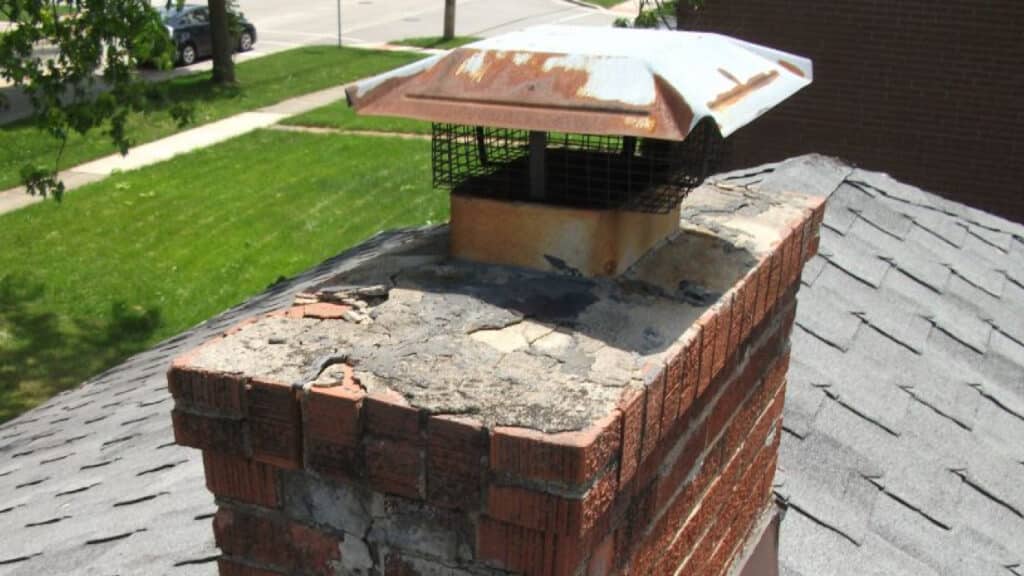
The first step isn’t demolition — it’s diagnosis. A professional assessment looks for subtle signs that homeowners might overlook: hairline cracks near the flue, leaning stacks, crumbling mortar under flashing. Sometimes the damage is internal, hidden behind the brick face.
On SE Mitchell St, for example, many mid-century homes have short, decorative chimneys that appear sound from the outside but hide loose liners within. A certified inspector knows where to tap, probe, and measure. At Portland Chimney Inc., technicians follow NFPA inspection levels — from quick visual checks (Level 1) to full-scope interior video analysis (Level 3). The goal isn’t to scare you into a rebuild. It’s to find out what kind of reinforcement you actually need.
And that’s the key: precision. Reinforcing every chimney the same way is a waste. The best approach tailors solutions to the age, materials, and foundation of each structure.
Reinforcement Options: From Anchoring to Rebuilds
No two chimneys or budgets are alike. Reinforcement options range from light stabilization to full reconstruction, depending on what the inspection reveals.
Steel bracing or wall anchors are the simplest upgrades. They tie the upper chimney stack securely to the framing, reducing sway. For taller or detached stacks, stainless rebar can be embedded inside the core for vertical strength. Modern flexible flue liners help absorb vibration, preventing cracks from propagating through the flue tiles.
When damage runs deeper — leaning crowns, missing mortar, or spalled brick — a partial rebuild may be smarter than patchwork. It’s not about appearance; it’s about integrity. A rebuild allows the mason to reset the footing, replace corroded rebar, and integrate new materials rated for seismic loads.
Preserving appearance matters, especially in a neighborhood known for character homes. Reinforcement can be discreet. Skilled masons color-match mortar, reuse salvaged brick, and replicate original corbelling so the chimney looks untouched. Homeowners often don’t realize you can get modern strength without losing old-world charm. For those exploring options, connecting with chimney inspection and repair experts is the simplest way to compare techniques before deciding.
Post-Earthquake Safety Checklist

After a tremor, even a mild one, resist the urge to light the fireplace. Step outside and scan from a safe distance instead. Is the chimney leaning? Missing bricks? Do you see debris on the roof or ground? Those are red flags.
Inside, check around the attic hatch and ceiling lines — sometimes a cracked crown pushes stress into nearby framing. Homes along SE 54th Ave, with their slightly elevated lots, often show cracking near roof junctions first because of subtle soil shifts beneath the foundation.
If you suspect damage, call a professional before testing the fireplace draft. A trained inspector can run a smoke test or video scan to see if the flue liner or firebox separated during movement. At Portland Chimney, we offer emergency inspections specifically for post-quake evaluations, helping homeowners confirm safety before returning to use.
For broader preparedness tips, Oregon’s own earthquake safety guide walks through household checklists and local response maps. It’s practical reading, especially if you’ve never seen how fast aftershocks can follow.
Preventive Maintenance & Monitoring

You don’t need to wait for shaking to start protecting your home. A routine inspection every couple of years keeps your chimney ready for both seismic and seasonal stress. The Pacific Northwest’s wet winters and cool springs wear mortar down faster than most homeowners realize. Tiny cracks let in moisture. When temperatures drop, trapped water expands and fractures the joint even more.
That’s how you end up with a chimney that looks fine until it suddenly isn’t.
Weatherproofing and early repointing do more than improve longevity — they maintain the structural cohesion that resists vibration. It’s the kind of slow, behind-the-scenes protection that pays off the moment the ground stirs. For more on how Portland’s climate affects masonry, see our article about weather impact on masonry for insights into freeze-thaw cycles and repair timing.
Think of it as steady maintenance rather than crisis prevention. If your chimney’s been ignored for years, an inspection and minor tuckpointing might be enough to reset the clock.
Before the Next Tremor Hits

A chimney might seem like a small thing compared to an entire house, but it’s often the weakest link during a quake and the easiest to fix ahead of time. One afternoon of inspection and reinforcement could save you months of repairs.
Don’t wait until the next jolt to find out how secure your chimney really is. Call 503 256 9140 or schedule your chimney inspection today.
Woodstock homes are part of Portland’s story — built to last, and worth keeping safe.
Frequently Asked Questions
What are signs my Woodstock chimney needs seismic retrofitting?
Watch for cracks spreading from the crown, leaning stacks, or bits of mortar collecting on the roof or ground. Interior clues include smoke leaks, unusual odors, or soot patterns along the flue wall. These indicate movement or separation that could worsen in an earthquake.
Are there local grants or programs for chimney earthquake repairs in Portland?
Yes. The city occasionally partners with regional resilience programs that assist homeowners in funding seismic retrofits for older masonry structures. Availability changes year to year, so it’s best to ask your contractor or check the city’s permit office for current options.
Can brick chimneys be reinforced without full rebuilds?
Absolutely. Many homes near SE 54th Ave and other parts of Woodstock use bracing kits, rebar cores, or flexible liners to strengthen existing stacks without dismantling them. The feasibility depends on how sound the base and flue liner are. A qualified mason can tell you if your chimney qualifies for stabilization instead of reconstruction.
How soon should I book a chimney inspection after a tremor?
Immediately, if you notice visible damage or any change in fireplace draft. Even a light quake can loosen mortar or shift a liner. A professional inspection ensures the system remains safe before you use it again — especially with gas or wood-burning fireplaces.
What safety upgrades help older homes withstand earthquakes in Southeast Portland?
Focus on connection points: anchor the chimney to the roof framing, secure water heaters, and check foundation bolts. Reinforced flue liners and steel straps can dramatically reduce risk for older masonry. Combined with routine inspections, these upgrades help Southeast Portland homes — many built on soft soils — stay intact through shaking.
