Why Chimney Liners Matter: Risks of a Bad or Missing Liner
In this blog, you’ll learn:
- What a chimney liner actually does and why it’s essential for fire safety, proper venting, and protecting masonry chimneys
- The real risks of a damaged or missing liner, including hidden fire hazards, carbon monoxide exposure, and long-term chimney deterioration
- How Portland homeowners can spot warning signs early and know when a professional chimney inspection is the safest next step
The thing about chimney liners is you never see them doing their job. And when they fail, the warning signs are often subtle. Until they aren’t. For Portland homeowners, especially those with older masonry chimneys, chimney liners are one of the most important and most overlooked parts of the entire fireplace system.
Let’s talk about why they matter, what happens when they’re damaged or missing, and how to tell when it’s time to take action.
What a Chimney Liner Actually Does

Think of the chimney liner as the protective skin inside your chimney. It lines the flue from the firebox all the way to the top, creating a controlled pathway for smoke, heat, and combustion gases to exit your home safely.
A properly functioning chimney liner does three critical things:
- It contains heat, preventing extreme temperatures from reaching nearby framing and attic materials.
- It directs smoke and gases upward, improving draft and reducing backflow.
- It protects the masonry, shielding brick and mortar from corrosive byproducts created when wood or gas burns.
Most chimneys in Portland homes have one of three liner types:
- Clay tile liners (common in older masonry chimneys)
- Stainless steel liners (often installed during upgrades or safety repairs)
- Cast-in-place liners (used in select restoration situations)
Modern safety standards—including those outlined in NFPA 211, the national standard for chimney and fireplace safety—recognize chimney liners as essential components of a safe fireplace system, not optional add-ons.
Why Chimney Liners Fail or Were Never Installed

In Portland, liner problems are incredibly common. And it’s rarely because a homeowner did something wrong.
Many older homes were built before today’s safety standards existed. Chimneys worked until decades of use, moisture, and heat took their toll.
Here’s what we see most often during inspections:
- Cracked clay liners, caused by chimney fires, thermal expansion, or years of freeze–thaw cycles
- Missing liners entirely, especially in older brick chimneys
- Improper upgrades, where a new stove or insert was installed without updating the liner
- Corrosion damage, accelerated by persistent rain and moisture
The Real Risks of a Bad or Missing Chimney Liner

This is where things move from “maintenance issue” to “real safety concern.”
Fire Risk Inside the Structure
When a liner cracks or doesn’t exist, heat can escape into the chimney walls. Over time, nearby framing, insulation, or roof materials can dry out and ignite. Chimney fires don’t always roar. Sometimes they smolder behind the scenes.
Carbon Monoxide and Toxic Gases
A compromised liner can disrupt draft, letting exhaust gases leak back into the home. Carbon monoxide is odorless and invisible, which is why the U.S. Environmental Protection Agency warns about health risks when combustion gases aren’t vented properly.
Rapid Chimney Deterioration
Smoke carries moisture and acidic compounds. Without a liner protecting the masonry, brick and mortar absorb those byproducts. The result? Spalling brick, crumbling joints, and repairs that grow more expensive the longer they’re ignored.
Poor Fireplace Performance
Hard-to-start fires. Smoke smells indoors. Soot buildup that seems excessive. These issues are often blamed on the fireplace itself but the liner is frequently the real culprit.
Signs Your Chimney Liner May Be Unsafe

Most liner damage isn’t visible from your living room. Still, homeowners often notice early clues:
- Pieces of clay tile or debris in the firebox
- Persistent smoke smells, even when the fireplace isn’t in use
- Heavy creosote buildup during routine cleanings
- Water staining around the chimney or inside the firebox
- A fireplace or stove upgrade with no record of liner evaluation
Why Portland Chimneys Are Especially Vulnerable

Portland’s climate is tough on masonry chimneys. Long stretches of rain, damp winters, and occasional freeze–thaw cycles push moisture deep into masonry. Add in the city’s many older homes—often with original brick chimneys—and liner wear becomes almost inevitable. Moisture seeps into tiny cracks, temperatures fluctuate, and clay liners slowly expand and contract.
It’s a pattern many homeowners recognize when reading local Portland homeowner reviews, where hidden liner issues often surface only after a closer inspection.
How Chimney Liner Problems Are Properly Diagnosed

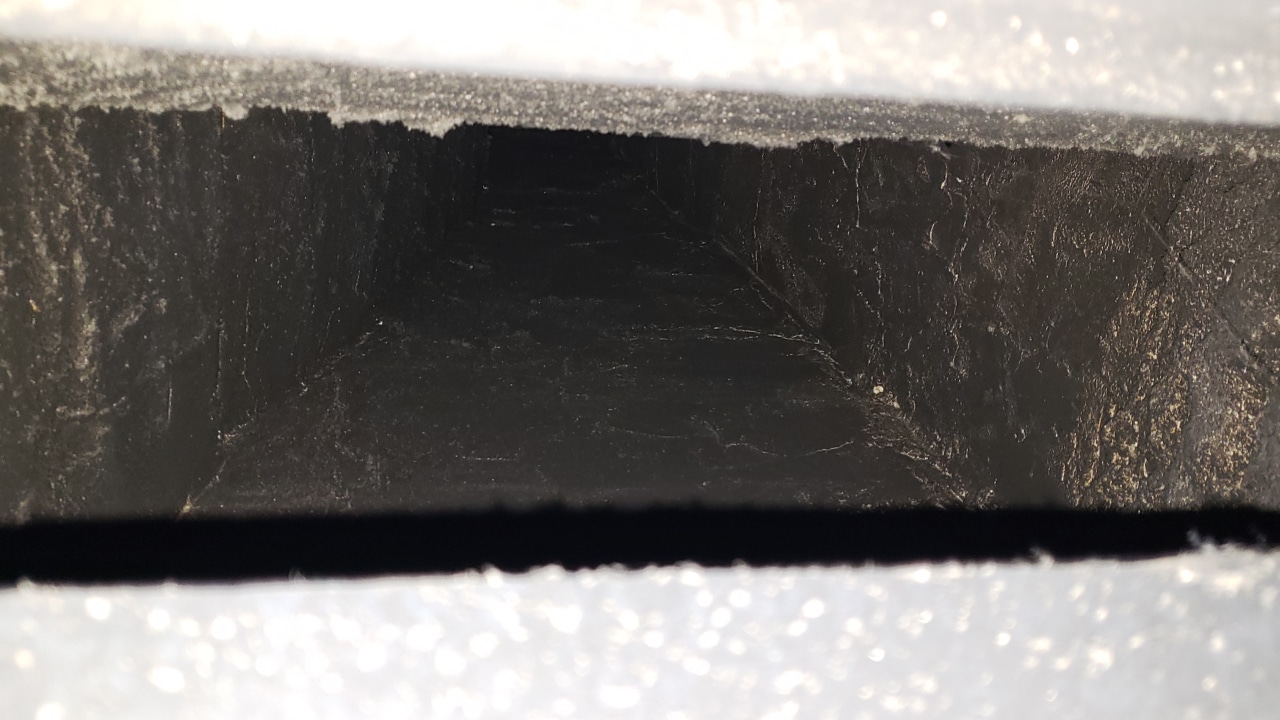
You can’t assess a chimney liner from the outside. Even peering up from the firebox tells only part of the story. That’s why professional chimney inspections matter.
A Level 2 inspection, using specialized camera equipment, allows technicians to see the full length of the flue. Cracks, gaps, missing sections—issues technicians commonly find during inspections—become clear.
This kind of inspection is especially important:
- After a chimney fire
- When buying or selling a home
- After installing or changing a fireplace or stove
- When moisture or draft problems start showing up
At Portland Chimney Inc., we conduct chimney liner inspections as a routine part of evaluating fireplace safety in older homes.
Repair vs. Replacement: What’s the Right Fix?

Not every liner issue requires a full replacement. Sometimes targeted repairs are possible. Other times, relining is the safest and most practical long-term solution.
In many Portland homes, stainless steel liners are the preferred upgrade. They’re durable, resist moisture, work well with modern appliances, and are designed to last for decades when properly installed. Homeowners often learn more about this option when exploring professional solutions for safely upgrading chimney liners during an inspection discussion.
The right approach depends on:
- Fuel type
- Chimney condition
- Flue size and configuration
- Current safety and code requirements
The Long-Term Value of a Proper Chimney Liner
A good chimney liner doesn’t just prevent problems. It adds long-term protection.
- Safer fires, with reduced risk of structural ignition
- Better efficiency, thanks to improved draft
- Longer chimney life, protected from moisture and corrosion
- Peace of mind, especially during inspections, insurance reviews, or home sales
It’s one of those upgrades you hope you never have to think about again. That’s the point.
Don’t Ignore What You Can’t See
Chimney liners fail quietly, but the risks can add up fast. If you’re unsure about the condition of yours, the safest next step is a professional evaluation by a local team with decades of experience inspecting Portland chimney systems.
Call (503) 256-9140 or contact our chimney specialists to schedule an on-site visit.
Frequently Asked Questions
Do older homes in Portland need chimney liners?
Yes. Many older Portland homes were built before chimney liners were required by modern standards. Even if a fireplace appears to work fine, a missing or damaged liner can still pose fire and gas risks. An inspection helps determine whether a liner is present, functional, and safe for continued use.
Is a chimney liner required by code in Oregon?
Yes, chimney liners are required in many situations, especially when installing new appliances, repairing damaged chimneys, or correcting safety issues. While older systems may be grandfathered in, current safety standards often require liners to protect the home and ensure proper venting.
How do I know if my chimney liner is damaged?
Most liner damage isn’t visible without specialized equipment. Common warning signs include smoke odors, poor draft, excessive creosote, or debris in the firebox. A professional camera inspection is the most reliable way to confirm whether a liner is cracked, missing, or deteriorated.
Can a bad chimney liner cause carbon monoxide problems?
Yes. A damaged or improperly sized liner can disrupt draft and allow exhaust gases, including carbon monoxide, to leak into the home. This risk applies to both wood-burning and gas fireplaces, making liner condition a critical part of overall chimney safety.
How long does a chimney liner last in Portland’s climate?
Clay liners may last several decades but often fail sooner due to moisture and freeze–thaw damage. Stainless steel liners typically last much longer and perform better in Portland’s wet climate. Actual lifespan depends on use, maintenance, and long-term moisture exposure.
