
How Does Thermal Imaging Help with Chimney Problems in Richmond?
Behind the warmth of a winter fire, hidden chimney issues can quietly develop — from trapped moisture and small cracks to unseen heat loss. By the time smoke leaks or water stains appear, the damage is often already done.
That’s why Richmond chimney professionals now rely on thermal imaging. Using infrared technology, inspectors can detect temperature changes that reveal weak spots before they turn into costly repairs. For Virginia homeowners, where older brickwork meets unpredictable weather, this tool makes inspections faster, cleaner, and far more precise.
Portland Chimney & Masonry, Inc. uses this advanced method to locate leaks, insulation gaps, and structural concerns — all without dismantling your chimney. It’s a proactive way to protect your home, save money, and keep your fireplace safe year-round.
The Science Behind Thermal Imaging

Thermal chimney inspections in Richmond work by detecting subtle differences in surface temperature. Infrared cameras pick up heat signatures invisible to the naked eye, revealing where energy escapes or moisture collects. For example, a bright orange line on a chimney might indicate warm air leaking through a crack, while a cool blue spot could signal water intrusion.
This technology gives a data-driven view of your chimney’s health, unlike traditional inspections that rely on sight and touch. It’s especially useful for older homes in Irvington and Kerns, where age and weather can hide damage behind their lovely, restored façades.
According to the U.S. Department of Energy’s guide, infrared scanning is a top method for spotting heat loss, air leaks, and structural issues in masonry or wood-frame buildings. Thermal imaging lets experts diagnose issues without tearing things down or making guesses.
It’s a non-invasive, mess-free process that preserves your home’s original character while identifying vulnerabilities early on. Think of it as a medical scan for your fireplace that is quiet, quick, and incredibly informative.
Hidden Chimney Problems Exposed by Thermal Imaging

Thermal imaging doesn’t just confirm what’s wrong; it often reveals what homeowners never suspected. In Richmond and nearby neighborhoods like Laurelhurst or Grant Park, where many houses were built decades ago, infrared cameras commonly uncover:
1. Moisture Intrusion Beneath Brickwork
Dark, cold patches on a thermal image can mean trapped moisture or slow leaks behind the masonry. Over time, that dampness weakens mortar joints and invites mold growth—especially in Portland’s rainy climate. Detecting it early allows for simple sealing instead of a full rebuild.
2. Heat Loss and Inefficiency
Warm air escaping through cracks or poorly sealed flue liners drives up heating bills. Thermal imaging can trace these hidden escape points so technicians can target repairs precisely.
3. Structural Weaknesses
Temperature anomalies may reveal hollow voids, deteriorated mortar, or chimney crowns beginning to crumble. Catching these issues early can prevent partial collapses or expensive structural work.
4. Fire Hazards Behind the Walls
Areas showing unusually high heat could signal a failing liner or improper clearance between the flue and framing. This early detection dramatically reduces fire risk.
Each discovery allows for smarter, more focused repairs—not just broader fixes. For more on internal component failures, check our related article about Richmond chimney liner problems which covers detection and repair solutions in detail.
Why Richmond Homes Benefit Most from Thermal Diagnostics

Many homes on NE Broadway, Sandy Boulevard, and near Grant Park have original brickwork that have weathered years of rain and frost. The area’s wet winters and freeze-thaw cycles cause tiny cracks to expand, letting moisture seep in and masonry shift.
Thermal imaging helps identify these vulnerabilities before the damage spreads. Homeowners restoring historic exteriors can use this technology as it helps keep their homes both beautiful and safe without causing damage.
Even newer homes around Kerns and Irvington benefit from this approach. Modern fireplaces and venting systems can lose heat due to poor insulation or drafts, wasting energy. Inspectors use infrared diagnostics to find issues quickly. They can recommend solutions based on the home’s age and materials.
Energy experts emphasize that preventing heat loss in brick homes improves comfort and reduces long-term energy use. The process aligns perfectly with the government’s recommendations for maintaining efficient, airtight building envelopes.
What Happens During a Thermal Imaging Inspection
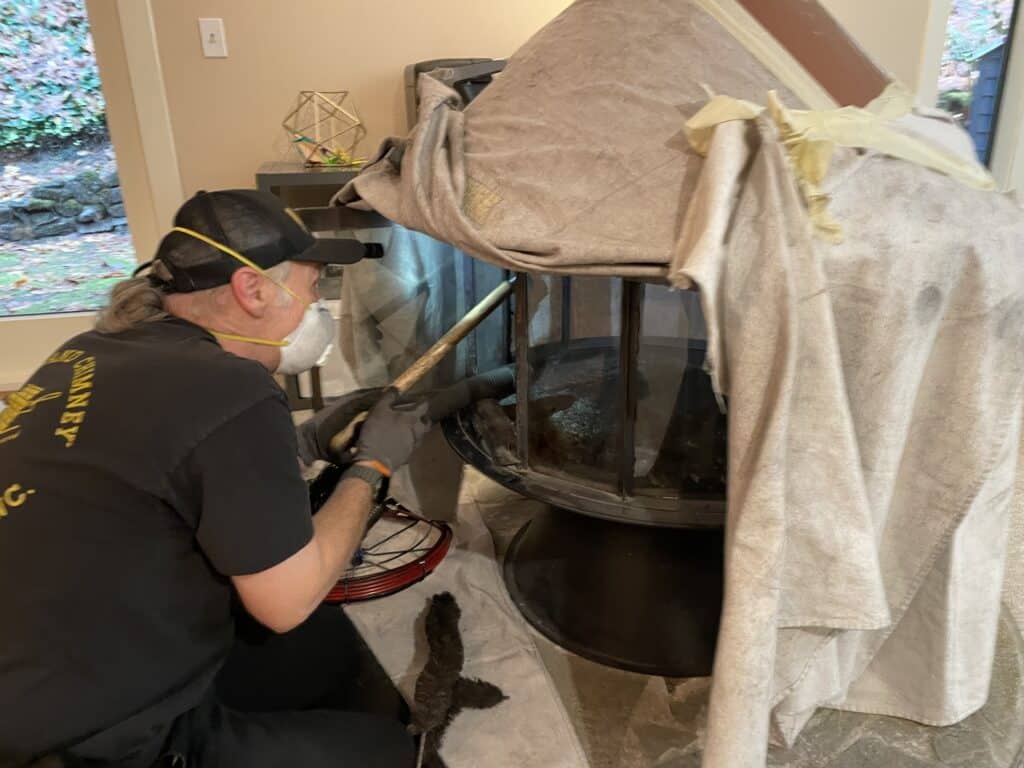
A thermal imaging chimney inspection in Richmon is straightforward, non-invasive, and surprisingly fast. Here’s how Portland Chimney & Masonry, Inc. handles it:
- Initial Visual Assessment: The technician examines the chimney’s structure, crown, and flashing for visible signs of wear.
- Infrared Scanning: Using specialized cameras, they capture high-resolution images of interior and exterior surfaces, revealing temperature variations that mark potential problem areas.
- Image Analysis: Each image is evaluated for anomalies such as cold bridges, hot zones, or moisture pockets.
- Detailed Report: Homeowners receive a summary with recommendations for sealing, tuckpointing, relining, or repair if needed.
Throughout the inspection, the crew maintains a clean workspace—no dust, no ladders inside, and no disruption to your home. Every inspector is OCSA-certified and trained in modern diagnostic techniques, combining old-world craftsmanship with cutting-edge technology.
Early Detection Means Long-Term Savings

A few degrees of difference on a thermal scan can save thousands in repair costs. For instance, a homeowner near NE Halsey Street once scheduled a routine inspection before winter. The scan revealed a hidden cold spot along the chimney’s shoulder—a small crack allowing moisture in. Sealing it early prevented a full rebuild the following spring.
The logic is simple: masonry issues worsen with time. Cracks invite water, water freezes, and frozen moisture expands. Thermal imaging catches that first step before the cycle begins. It’s not just about repair. It’s about prevention and peace of mind.
As one local customer put it, “The camera found heat loss behind our chimney wall before it spread to the attic. I never would’ve noticed until smoke started leaking.”
Schedule a Free Chimney Inspection Today
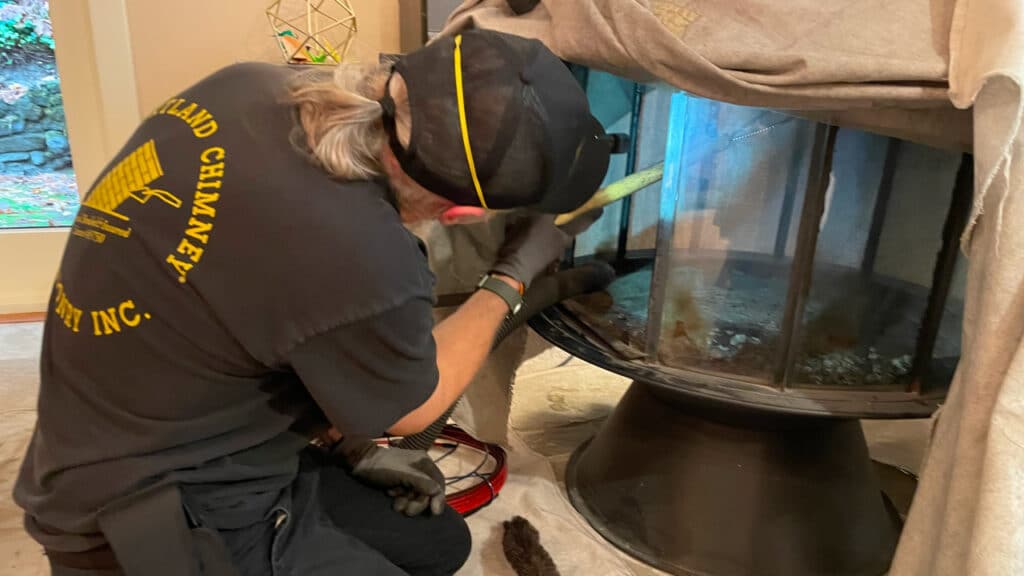
Thermal imaging turns guesswork into precision. When you can see the invisible, you can act confidently and that’s what homeowners across Richmond are discovering.
Portland Chimney & Masonry, Inc. offers free thermal chimney inspections that combine advanced technology with expert care. Whether you live in a century-old bungalow or a newer home, our certified team delivers accurate, transparent assessments designed to protect what matters most.
Ready to take the next step? Call 503 256 9140 or book your free chimney inspection now.
Frequently Asked Questions
What makes thermal imaging more effective than a regular chimney inspection in Richmond homes?
Thermal imaging captures temperature changes invisible to the naked eye. Inspectors can detect hidden cracks, leaks, or heat loss without dismantling the chimney. This is especially valuable for older Richmond houses where visible signs appear late.
Can infrared scanning detect moisture inside old brick chimneys?
Yes. Damp masonry absorbs and holds heat differently than dry material. The infrared camera displays clear color contrasts that help technicians find hidden moisture behind brick or mortar before it causes surface damage.
How long does a typical thermal imaging chimney inspection take?
Most Richmond chimney scans take about an hour, depending on chimney size and accessibility. The process is quiet, mess-free, and doesn’t interrupt your home routine.
Is thermal imaging safe for vintage brickwork in older Richmond houses?
Absolutely. The process uses infrared light only; no physical contact or chemical treatments. It’s non-destructive and safe for all types of masonry, including historic brick and lime mortar.
How often should homeowners schedule thermal diagnostics in Richmond?
Once a year is ideal, especially before winter. Richmond’s freeze-thaw cycles and frequent rain make annual thermal inspections a smart way to maintain energy efficiency and prevent structural damage.
