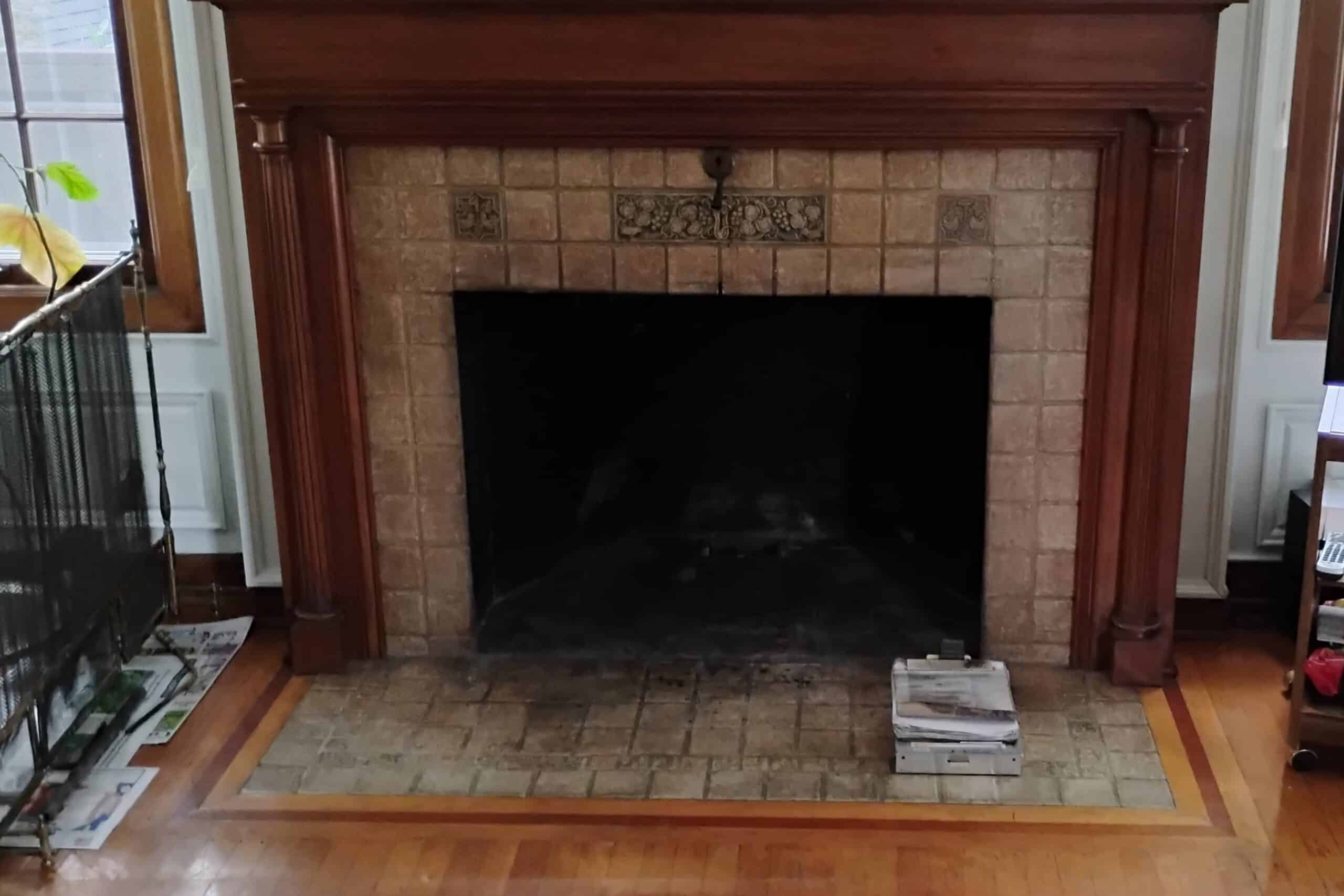
Creosote Formation Science: Laurelhurst Chimney Safety
The smoke drifting from a fireplace on a crisp evening looks peaceful, almost picturesque. Families gather around mantels, fires crackle against the chill, and the air smells faintly of seasoned wood. But what most homeowners don’t realize is that hidden in that smoke are chemical reactions leaving behind one of the most dangerous byproducts of burning wood: creosote.
In Portland neighborhoods, this risk is heightened. The Pacific Northwest’s naturally damp firewood, the dense tree cover, and the vintage brick chimneys create conditions where creosote forms quickly. What appears to be nothing more than soot can, in fact, become a serious fire and health hazard.
That’s why understanding the science matters. In this article, Portland Chimney Inc. explains how creosote forms, why Laurelhurst homes have unique challenges, and why professional chimney care is the safest option for prevention and removal.
What is Creosote?

Creosote is the dark, sticky, and highly flammable residue left behind when wood burns incompletely. As smoke travels up the chimney, unburned particles condense on the cooler flue walls, gradually layering into deposits.
There are three primary stages of creosote buildup:
- Stage 1: Fluffy soot which are loose and powdery, and relatively easy to sweep.
- Stage 2: Tarry buildup which are thicker, sticky deposits that resist ordinary cleaning.
- Stage 3: Hardened glaze which is a glass-like shell that clings tightly to masonry and metal, requiring specialized tools for removal.
For homeowners, the first warning signs may show up as black flakes in the firebox or smoky odors near hearths in older homes off NE Oregon Street.
The Chemistry of Creosote Formation

The process of creosote creation is rooted in chemistry. When wood burns, it releases hydrocarbons, water vapor, and other gases. If combustion is incomplete—because the fire is smoldering, the wood is damp, or the airflow is poor—those particles don’t fully burn. Instead, they travel upward as smoke.
When smoke particles touch cooler surfaces in the chimney, they condense and solidify. This usually happens when the flue temperature falls below 250°F. In the Pacific Northwest, firewood often has over 25% moisture, which lowers burn temperatures and increases creosote buildup.
For neighborhoods lined with tall trees, many chimney stacks stay colder for longer. Homes tucked behind canopies, especially near NE 32nd Avenue, often see creosote forming faster than in sunnier neighborhoods.
Why Laurelhurst Homes Face Unique Risks

Laurelhurst is celebrated for its historic architecture, but older fireplaces come with their own set of vulnerabilities. Many houses built before the 1950s still rely on unlined masonry chimneys. Without modern liners or insulation, these chimneys lose heat quickly, creating ideal conditions for creosote condensation.
The leafy neighborhood design adds another challenge. Streets like SE Ankeny are heavily shaded, and that exterior cooling contributes to poor draft. Even well-built fires may leave behind more residue than expected.
Finally, local regulations emphasize air quality. Portland’s DEQ smoke rules are designed to limit pollution, which often pushes homeowners toward low, smoldering burns. Ironically, these cooler fires create the exact conditions where creosote thrives. As we explored in our blog on Historic Portland Chimney Draft Problems in Laurelhurst, airflow and fuel quality are critical pieces of the puzzle.
Hazards of Creosote Buildup

Creosotes are unsightly and a genuine hazard to both property and health.
- Fire Hazard: Stage 3 deposits can ignite at around 1,000°F, turning the chimney into a torch. Chimney fires are among the leading causes of residential blazes in the U.S.
- Structural Hazard: Creosote’s corrosive properties eat away at liners and mortar joints, weakening older masonry structures common in Laurelhurst.
- Health Hazard: Poor draft caused by creosote buildup leads to smoke and carbon monoxide leaking back into living spaces.
The ATSDR toxicological profile on creosote identifies these compounds as hazardous, confirming why homeowners should never underestimate the risk.
Prevention: Science-Backed Practices

Preventing creosote is about making fires burn cleaner and hotter while reducing moisture.
- Burn seasoned hardwood with less than 20% moisture content. Fir or alder cut in the Northwest often needs 6–12 months of drying before it’s ready.
- Avoid smoldering fires. Keep logs burning hot rather than closing dampers too tightly.
- Use insulated liners and chimney caps to keep stacks warm and reduce condensation.
- Schedule annual inspections to catch problems before they escalate.
Why Professional Removal Matters

Many homeowners assume a quick chimney sweep brush is enough. While this works for Stage 1 soot, it’s ineffective against the sticky tar of Stage 2 and the hard glaze of Stage 3.
Laurelhurst’s historic homes often suffer from advanced buildup that requires professional methods: chemical treatments, rotary cleaning systems, and sometimes partial masonry repair. Attempting DIY removal risks spreading toxic dust throughout the home or damaging fragile flue liners.
That’s why professional care is non-negotiable. Portland Chimney Inc. brings specialized tools, certified technicians, and decades of experience to ensure every creosote hazard is addressed safely.
Your Safer Fire Season Starts Here

Creosote is a chemical certainty when burning wood, but the risks multiply in older homes and shaded streets. The Laurelhurst neighborhood is at high risk because of unlined chimneys, damp firewood, and cooler stacks.
The good news? Portland Chimney Inc. combines scientific understanding with craftsmanship and local know-how. We offer solutions for routine inspections and advanced creosote removal to help protect your family and home.
Call 503-256-9140 today to schedule expert chimney services and enjoy a season of warmth without the worry.
Frequently Asked Questions
What are the common signs of creosote buildup in Laurelhurst homes?
Black flakes in the firebox, smoky odors around the hearth, poor draft, or a shiny, glazed coating on the chimney walls. Laurelhurst’s older brick homes make these issues easier to overlook until they become serious.
How often should a chimney be cleaned?
At least once per year. Homes in Laurelhurst that burn moist Northwest wood or use fireplaces often need seasonal inspections for safety.
Does Portland’s damp climate make creosote worse?
Yes. Damp wood and cool exterior chimney walls mean fires burn cooler, and creosote forms more quickly.
What special care do Laurelhurst’s older masonry need?
Many chimneys need upgrades. They often require new liners, mortar repair, and waterproofing to help them endure Portland’s rainy winters. Professional inspections can identify weaknesses before they become safety hazards.
Is chemical creosote removal safe for historic fireplaces?
Yes, when performed by certified professionals using approved methods. Portland Chimney Inc. ensures treatments are safe for Laurelhurst’s historic masonry while effectively eliminating dangerous creosote buildup.
