
Historic Portland Chimney Draft Problems: Laurelhurst Solutions
Laurelhurst homes are steeped in charm with their broad eaves, brick chimneys, and fireplaces that have warmed Portland families for over a century. But many homeowners know the frustration: strike a match in the firebox and instead of the fire pulling smoke upward, it creeps into your living room.
The problem is that chimneys built in the early 1900s followed a different design logic. They were made for coal or softwood fires, tall ceilings, and draft dynamics that no longer match today’s fuels and indoor comfort standards.
The good news? These issues are solvable. With the right guidance from local chimney specialists in Laurelhurst, homeowners can preserve the heritage of their fireplaces while restoring clean, efficient drafts.
Why Historic Chimneys Struggle with Draft

Laurelhurst’s earliest homes, many built between 1910 and 1930, often feature fireplaces designed as grand architectural centerpieces. Wide, shallow fireboxes were meant to impress, but they create problems for airflow. A small flue throat paired with a large opening means smoke collects faster than it can rise, spilling into the room.
Over decades, settling adds to the trouble. Homes along NE Couch Street and NE Oregon Street have shifted in small but meaningful ways, changing chimney angles and weakening mortar joints. Tiny air leaks form, reducing the draft pull.
Climate plays a role, too. Portland’s constant moisture seeps into brick and mortar, softening joints and making air pathways unpredictable. As winter rains fall, chimneys can lose efficiency just when families want fires the most.
Common Draft Symptoms Homeowners Notice

The signs are hard to miss. You light a fire and instead of a cozy glow, you’re waving smoke away from your couch. Hours later, a faint creosote odor still lingers in the living room.
Cold downdrafts are another giveaway. Homeowners near NE César E. Chávez Boulevard often describe icy air flowing down the chimney shaft, especially at night. The effect not only chills the room but brings in soot and musty odors.
If you notice smoke rolling back into the home or difficulty keeping a flame without smoky blowback, chances are your chimney needs adjustment.
The Science of Draft: Then vs. Now
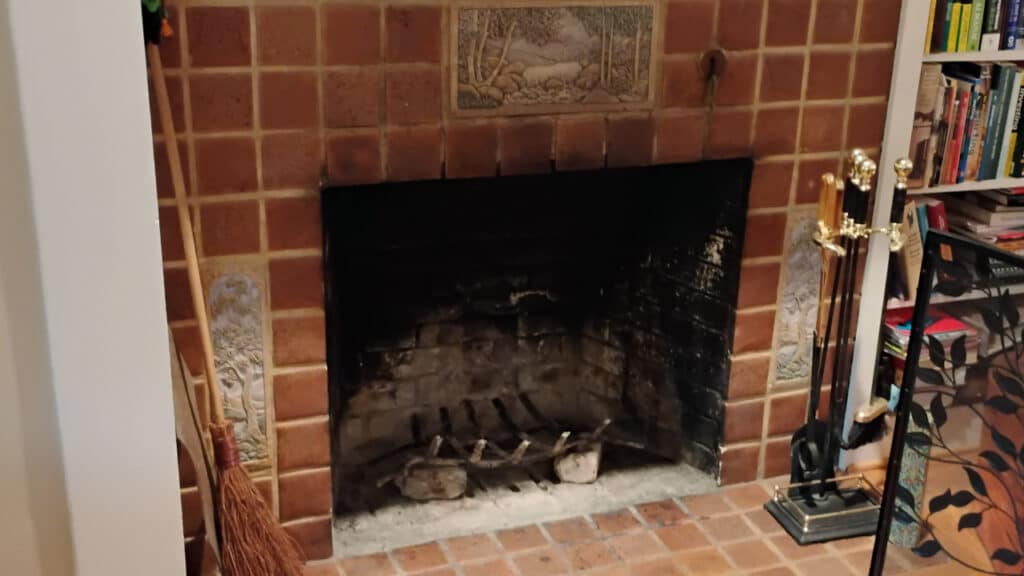
Draft is simple in theory. Warm air rises, creating suction that pulls smoke and gases upward. For the system to work, the chimney must be taller than the roofline, properly sized to the firebox, and free from air leaks.
But fireplaces built for coal or softwood burning in the early 20th century don’t align with modern expectations. Coal fires burned hotter and more consistently, while today’s hardwood logs smolder at lower intensities. Pair that with oversized fireboxes, and the airflow collapses.
These draft failures aren’t just inconvenient. They create real health risks as backdrafts bring fine particulates (PM₂.₅), benzene, and formaldehyde into living spaces. The EPA documents the serious wood smoke health risks tied to indoor exposure, including aggravated asthma and heart conditions. What looks like a smoky nuisance can be a genuine hazard.
Proven Solutions for Laurelhurst Homes

The beauty of Laurelhurst’s fireplaces is that they can be preserved while being corrected. Portland Chimney Inc uses a blend of traditional masonry skill and modern draft science to deliver lasting fixes.
Flue Resizing & Liners: Stainless steel or clay liners adjust the flue to match the firebox. Proper sizing restores the pressure balance, letting smoke rise cleanly.
Chimney Caps & Dampers: Houses near Laurelhurst Park often suffer downdrafts on windy days. Caps and top-sealing dampers prevent gusts from pushing smoke into the home, while also blocking rain and debris.
Masonry Restoration: Century-old brick often needs tuckpointing or waterproofing. Repairing joints and sealing surfaces tightens airflow and extends chimney life.
Draft-Assist Technology: For stubborn cases, draft-inducing fans or specialized dampers create upward pull. These are subtle solutions that respect historic aesthetics.
Wood Stove Inserts: When preservation meets performance, inserts shine. They tuck into existing fireplaces, retain the look of original mantels, and burn at EPA-certified efficiency.
And because Portland’s rainy season can make minor cracks far worse, it’s smart to stay proactive. For seasonal tips, see our related blog on fall chimney crown assessment in Laurelhurst to help prevent water intrusion before winter rains arrive.
Preserving Charm While Solving Draft Issues

Laurelhurst homeowners value history as seen in ornate mantels, classic brickwork, and the romance of a hearth. Portland Chimney Inc specializes in restoration that fixes airflow without altering aesthetics.
Our work often involves subtle adjustments, like tuckpointing a worn chimney or adding an invisible liner. These quiet solutions maintain historic curb appeal while ensuring the fireplace is safe, efficient, and ready for decades of use.
And because many Laurelhurst homes fall under Portland’s historic review, our team works seamlessly with the Portland Historic Landmarks Commission to ensure compliance. Preservation and performance can, and should, go hand in hand.
Keep the Hearth Alive

Chimney draft problems may feel like a battle between heritage and comfort, but you don’t have to choose. Portland Chimney Inc brings 40+ years of expertise to restore fireplaces across Laurelhurst, keeping smoke out and warmth in.
Schedule your inspection now. Call 503-256-9140 to connect with our team for expert chimney services tailored to Portland’s historic homes. Your fireplace can be both beautiful and functional, and let’s make sure it stays that way this season.
Frequently Asked Questions
Why does my Laurelhurst chimney smoke indoors?
Most often, the issue is flue size. Historic fireplaces have oversized openings and undersized flues, which don’t generate enough suction to carry smoke upward. Add settling or mortar wear, and smoke naturally spills back into the room.
Can a liner be added to a historic chimney without damage?
Yes. Stainless steel and clay liners can be installed without harming original masonry. In fact, liners often protect fragile brickwork by creating a smooth, airtight surface that channels smoke efficiently.
How does Portland’s wet climate affect chimney draft?
Moisture weakens mortar, creating leaks that reduce draft pull. Rain also cools chimney walls, lowering the temperature differential needed to carry smoke up and out. Chimney repair in Laurelhurst often includes waterproofing and sealing to maintain consistent draft despite Portland’s wet climate.
What signs show I need restoration instead of repair?
If your chimney has visible cracks, missing mortar, or bricks pulling away from the stack, it may need restoration. Draft problems combined with structural wear often point to deeper issues that a simple patch won’t fix.
Do I need a permit to repair a historic Laurelhurst chimney?
Yes, in many cases. Portland requires permits for structural work on chimneys, especially if your home is part of a designated historic district. When arranging chimney repair in Laurelhurst, our team manages all permit requirements so the project stays compliant and stress-free.
