Emergency Chimney Repair Signs Portland Homeowners Need
Critical chimney safety warning signs are your home’s cry for help. Portland homeowners should watch for these signs because neglecting them can lead to safety issues, house damage, or carbon monoxide poisoning. Once your chimney is starting to show these urgent emergency chimney repair signs in Portland, it’s time to stop and prioritize the chimney. We aren’t talking about small repairs that can be pushed off any longer. Your chimney contains sparks and flame away from where you live but also removes deadly gases from your home, making it crucial that the safety system to monitor this part of your house is in good working order.
Fire investigators estimate that a good number of house fires starting from chimneys begin in the smoke chamber. That’s not a statistic any Portland homeowner wants to test. For over 40 years, Portland Chimney & Masonry has responded to emergency chimney situations throughout the Metro area. We have seen firsthand what happens when people ignore warning signs.
What’s the Difference Between Urgent and Non-Urgent Chimney Problems?

Non-urgent chimney problems are maintenance tasks that develop gradually over time. Examples of these include small mortar repairs or adding a new chimney cap. They don’t create immediate safety risks and you can usually schedule them when the weather is good. Urgent chimney problems are active safety risks. They create immediate dangers like house fires or building collapse. They need professional help within hours or days, not weeks or months.
The difference isn’t always clear to homeowners. But knowing these critical warning signs could save your home and your life.
7 Critical Warning Signs of Chimney Problems
1. White Staining (Efflorescence) Appearing Suddenly
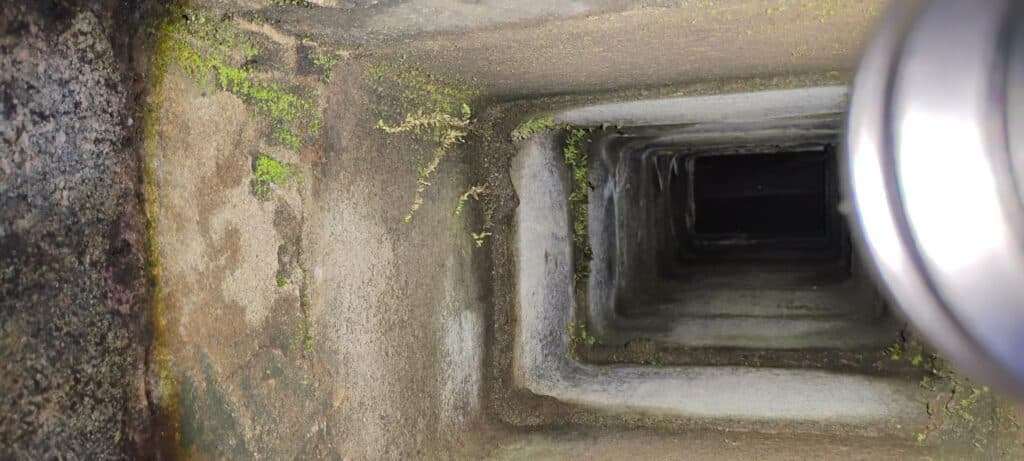
One of the first critical signs that your chimney needs an emergency repair is the appearance of ugly, white, chalky stains running down the outside bricks.
Water causes efflorescence when it gets into your brickwork and breaks down mineral salts. The water then carries these salts to the surface as it dries. Some minor white staining develops normally over many years. However, sudden or heavy white staining indicates that serious water damage is occurring at this moment.
Why it’s an emergency: Water inside your chimney system doesn’t just damage bricks. It can weaken and make your chimney unsafe. It damages your home’s interior walls and ceilings. It also creates conditions that can lead to dangerous carbon monoxide leaks.
Immediate action: Stop using your fireplace or wood stove right away. Water and fire don’t mix safely in chimney systems. Contact a trusted chimney emergency service provider for a thorough assessment.
Temporary measure: If rain is approaching, try to cover the chimney top with a tarp, but avoid climbing on your roof. Wait for professional help.
2. Rust on Damper or Firebox
Rust flakes, orange stains, or a damper that sticks mean you have a water issue that’s causing damage.
Your damper and firebox can handle very hot fires, not constant water. When these parts rust, they can fail when you need them most. This could be when you’re trying to close the damper to keep cold air out. Or worse, when you need it to work properly during a fire.
Why it’s an emergency: A rusted damper may not seal properly, allowing air to escape. This allows carbon monoxide to leak into your home even when the fireplace isn’t being used. A damaged firebox can let house fires spread beyond the safe area.
Immediate action: Do not use your fireplace until the damper and firebox have been checked and repaired by a professional. Even if the damper appears to move, rust indicates it’s not functioning safely.
Temporary measure: Keep the damper closed if you can. Ensure your home’s carbon monoxide detectors have fresh batteries and are functioning properly.
3. Animals or Birds Trapped Inside
Trapped animals pose immediate safety dangers that most homeowners don’t consider. If you hear scratching, chirping, or scurrying sounds from your chimney, it’s more than just a wildlife removal issue.
Animals panic when trapped. Their frantic movements can damage your chimney liner or dislodge debris that blocks proper airflow. Dead animals create blockages that can force deadly carbon monoxide back into your home. Even live animals can build nests that stop air from moving properly.
Why it’s an emergency: According to the Chimney Safety Institute of America, even minor blockages can lead to dangerous CO buildup in homes. Chimney swifts are protected. They cannot be removed during nesting season. If they or other animals block your chimney, it can lead to CO poisoning. This can make people sick or even cause death.
Immediate action: Turn off any gas appliances that vent through the chimney system. Do not try to remove animals yourself or light a fire to “smoke them out”—this can kill the animals and create dangerous conditions.
Temporary measure: Open windows for air flow and avoid using any appliances connected to the chimney system. If you smell gas or feel dizzy, leave the house right away and call 911.
4. Cracked or Crumbling Chimney Crown

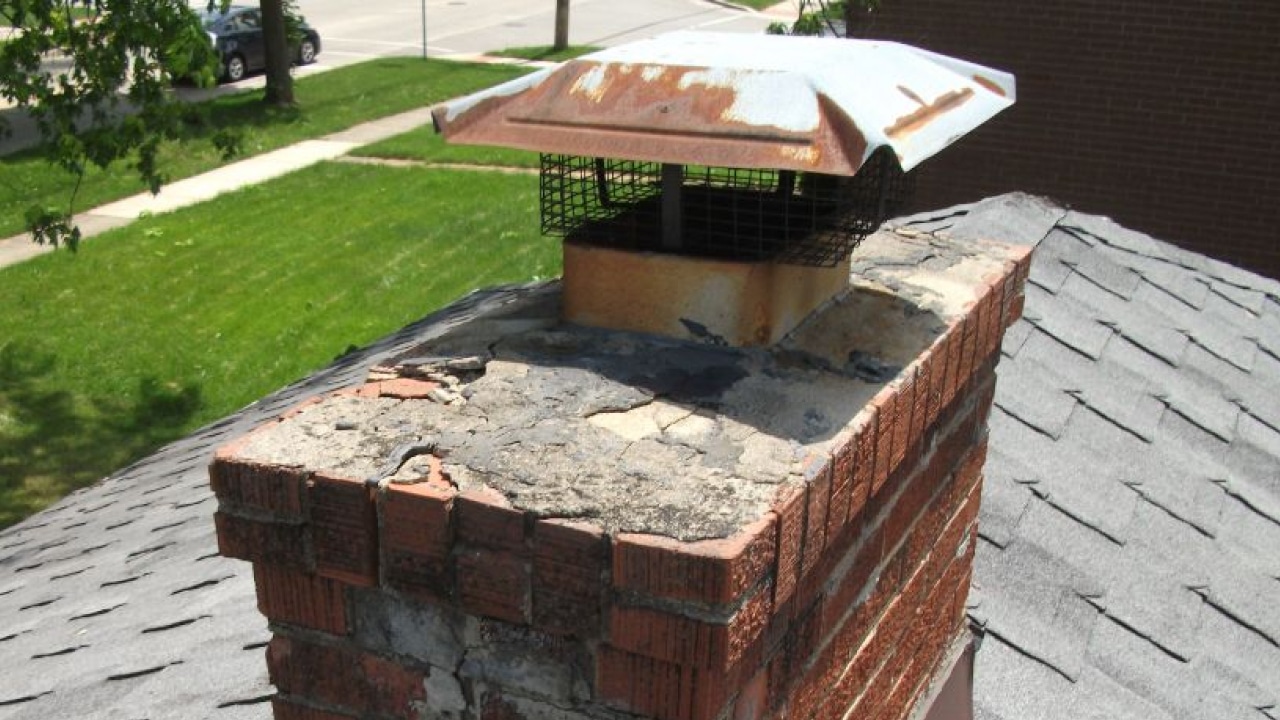
Cracks, chunks missing, or crumbling concrete in your chimney crown—the cement cap at the very top—signal a fast way to serious building damage.
The chimney crown’s job is simple but very important: keep rain and snow from falling into the space around your flue tiles. When it cracks, water pours through those openings and begins its destructive work immediately. What starts as a thin crack becomes a major building problem faster than most homeowners think.
Why it’s an emergency: A broken crown can cause water damage. This weakens your home’s structure and harms walls and ceilings. It can also create risks for carbon monoxide leaks. Freeze-thaw cycles cause small cracks to expand and become larger every single day.
Immediate action: Stop using your fireplace or heating appliance right away. Take photos of the damage for insurance purposes, but don’t climb on your roof for a closer look.
Temporary measure: If possible, cover the damaged crown area with a tarp secured with bungee cords, but only if you can do so safely from a ladder. Professional help is recommended for proper repair.
5. Water Leaks Inside Your Home
Water stains on walls or ceilings near your chimney, or even dripping during rain, mean there’s a serious problem. This isn’t a “wait and see” situation. Chimney leaks that bring water inside your home can cause damage that is already occurring behind your walls, where you can’t see it.
Water follows the path of least resistance and takes the easiest route. By the time you notice stains or dripping inside your house, water has likely been entering your chimney system for weeks or months. It could be rotting wooden supports, creating mold conditions, and weakening your home.
Why it’s an emergency: Hidden water damage spreads fast through walls. It can weaken floor beams, wall supports, and other parts of the building. Mold growth in wall spaces creates health problems. Electrical systems near water leaks create shock and fire risks.
Immediate action: Place buckets to catch dripping water and move furniture away from areas that are wet. Turn off the electricity to any outlets or lights in the area where the leak is located. Take photos of everything for insurance claims.
Temporary measure: Use fans to move air around and prevent mold growth. Do not use your fireplace—water and fire create dangerous steam and build stress in your chimney system.
6. Strong Odors When Not in Use
A warning sign that something’s wrong with your chimney is a campfire smell from your fireplace, even if you haven’t used it in weeks. Additionally, a concern is the detection of musty or rotting odors near your chimney.
Persistent smoky odors often indicate the buildup of creosote. They can also mean broken chimney parts. This lets smoke and gases enter your home instead of venting safely outside. Musty or rotting smells often mean water infiltration, animal issues, or crumbling mortar. These gaps can let harmful gases escape.
Why it’s an emergency: If you smell anything coming from your chimney when it’s off, it means ventilation might be poor, and that can lead to carbon monoxide poisoning. Creosote buildup causes serious fire hazards. Meanwhile, rotting odors can indicate structural damage that worsens each day.
Immediate action: Open windows for ventilation and avoid using any gas appliances or your fireplace. Make sure your carbon monoxide detectors work, and if there are strong odors, consider temporarily relocating family members.
Temporary measure: Clean the chimney regularly and run exhaust fans to boost air circulation. Do not try to mask odors with air fresheners—you need to know if the problem is getting worse.
7. Visible Structural Damage to Chimney Exterior

Loose, leaning, or falling bricks signal serious chimney problems. Crumbling or missing mortar joints create structural weakness. A chimney that tilts or pulls away from your house indicates structural failure. This doesn’t happen overnight, but it can suddenly reach a critical point.
Chimneys are heavy masonry structures that rely on every brick and mortar joint working together. When you can see structural problems from the ground, the damage has progressed far beyond cosmetic issues. A loose brick makes nearby bricks less stable, and this can cause a quick chain reaction of failures.
Why it’s an emergency: A weak chimney might fall suddenly. This can cause damage to people below, harm your roof and home, and result in high repair bills. Even a partial collapse can tear gas lines or damage electrical systems.
Immediate action: Set up a safety zone around your chimney. Keep family, pets, and vehicles away from where debris might fall. Contact your insurance company immediately to report potential structural damage.
Temporary measure: If the weather appears unfavorable, protect your home’s foundation from falling debris with tarps or plywood. But don’t work directly under or near the damaged chimney.
Don’t Wait When Safety Is at Stake

All these emergency chimney repair signs represent immediate threats to your family’s safety and the integrity of your home. They demand prompt professional attention because they can worsen daily and cause huge problems.
When you notice any of these in your home, contact Portland Chimney & Masonry immediately at (503) 256-9140 or visit Portland Chimney Inc. Our OCSA-certified chimney sweeps and professional masons can assess the situation, implement immediate safety measures, and provide expert repairs.
Frequently Asked Questions About Emergency Chimney Repair
Do I need a permit for emergency chimney repair in Portland?
Most emergency chimney repairs in Portland don’t require permits, but major work, such as a full rebuild or extensive masonry repairs, usually does. Portland’s building codes need permits for work exceeding certain scope thresholds. Portland Chimney & Masonry handles all necessary permit applications. We ensure that all emergency repairs meet Oregon building codes and NFPA standards for your safety and compliance with legal requirements.
Are chimney leaks more common in historic Portland neighborhoods, such as Irvington and Laurelhurst?
Yes, chimney leaks are particularly common in Portland’s historic neighborhoods such as Irvington, Laurelhurst, Alameda, and Grant Park. Many older homes have beautiful original brick chimneys that are 70-100+ years old. Their masonry shows natural wear over time. Portland’s wet climate and old mortar joints make these historic chimneys prone to water leaks.
What should Northwest Portland and Pearl District residents know about high-rise chimney safety?
Residents of condos and high-rises in Northwest Portland and the Pearl District face special chimney issues. Wind exposure and shared ventilation systems create unique challenges for them.
Notify building management immediately if you notice emergency signs. These include backdrafting, strange odors affecting several units, or visible damage outside. These situations can affect entire floors and create carbon monoxide risks for many families.
How much does emergency chimney repair cost in the Portland Metro area?
Emergency chimney repair costs in the Portland Metro area vary widely, depending on the severity of the problem and the type of issue it is. Minor repairs, such as installing a chimney cap or basic flashing, are typically less expensive. In contrast, major structural repairs or complete chimney rebuilds are significantly more expensive. We offer free estimates for emergencies and also work with your insurance when there’s storm damage or other covered events.
Can Portland’s rainy weather exacerbate chimney emergencies?
Absolutely. Portland’s extended rainy seasons can rapidly accelerate chimney emergency situations. Water seeps in through damaged crowns, cracked masonry, or broken flashing. This problem worsens significantly during the wet months. Minor water stains can quickly lead to major issues. They can cause structural damage, mold growth, and even interior flooding. Addressing chimney issues before Portland’s heavy rain is key to preventing emergency situations.
