
Pre-Winter Chimney Inspection Checklist Portland Oregon
A proper pre-winter chimney inspection could be the difference between cozy winter nights and a surprise house fire you never expected.
Picture this: It’s the first cold night of winter and you decide to make your house cozy by lighting the first fire of winter. You skip the inspection or any prep work, light your fireplace, and suddenly your living room fills with smoke. Or worse – you wake up to water stains spreading across your ceiling and a soggy, expensive mess where your chimney runs through the house.
Here’s the reality that’ll make you grab a flashlight right now: Fire investigators estimate that 40% of house fires starting from chimneys begin in the smoke chamber. Most of these disasters? Completely preventable with a 30-minute pre-winter chimney inspection.
As Portland’s chimney specialists for over 40 years, we’ve gotten the panicked calls. The “my chimney is leaking and it’s ruining my hardwood floors” calls. The “there’s smoke pouring into my baby’s room” emergencies. The “we found a bird’s nest the size of a basketball in our flue” discoveries.
Portland’s unique climate – with its wet falls, freeze-thaw cycles, and sudden temperature drops – creates specific challenges for chimneys that homeowners in drier climates never face. That’s why we’ve developed this Portland-specific inspection checklist to help you catch problems before they become expensive emergencies.
Why inspect before winter? Simple. It’s a lot easier (and cheaper) to fix a small crack in October than to deal with water damage, structural problems, or worse – a house fire – in January. Plus, once the busy heating season starts, chimney professionals get booked solid. Get ahead of the rush.
This comprehensive yet simple 10-point checklist will help you identify potential issues before Portland’s wet winter weather arrives. While this guide helps you spot obvious problems, remember that masonry chimneys must be lined per building code (NFPA 211, section 7.2.2.1), and some issues require professional assessment.
Why Portland Chimneys Need Special Attention
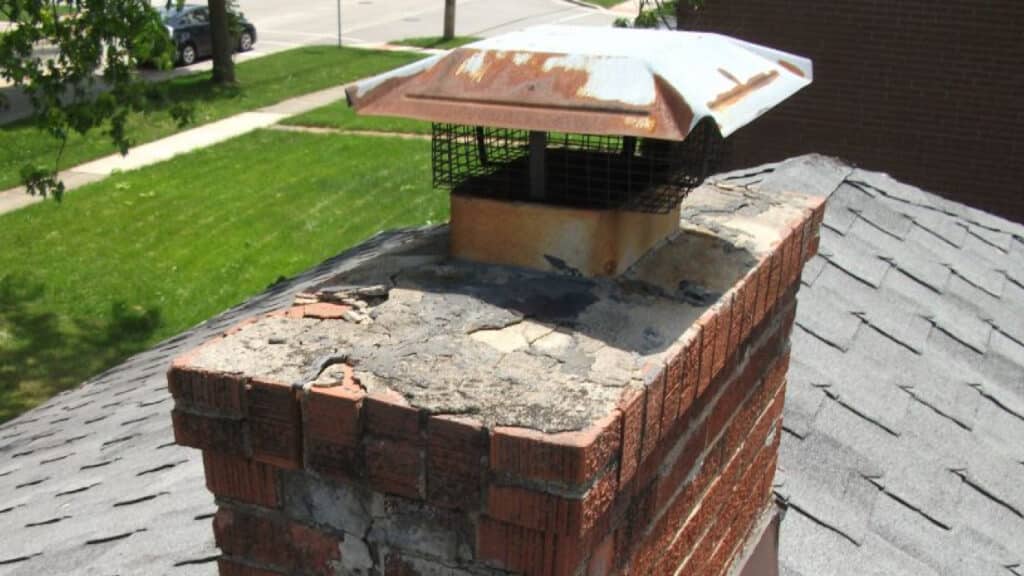
Portland isn’t Phoenix. Our chimneys face challenges that homeowners in dry climates never deal with. Here’s a quick rundown of some of the problems the Pacific Northwest climate brings to homeowners.
The moisture problem: From October through April, Portland gets relentless rain. Brick and mortar absorb this water like sponges. When temperatures drop, that water freezes and expands, turning tiny cracks into major structural problems.
The freeze-thaw cycle: Portland’s winter temps hover right around freezing – the worst possible scenario for masonry. Water gets into cracks, freezes overnight, thaws during the day, and repeats. Each cycle forces cracks wider. We’ve seen full 25ft chimneys cracked on every single mortar joint. When it gets that bad the only thing to do is to rip the chimney down and replace it.
The perfect storm for leaks: Portland’s combination of driving rain and freeze-thaw cycles means chimney leaks develop faster here than almost anywhere else. A chimney that’s bone dry in summer can be pouring water into your house by Christmas.
To handle all of this we’ve developed this Portland-specific inspection checklist to help you catch problems before they become expensive emergencies.
The 10-Point Pre-Winter Chimney Inspection Checklist

Safety first: You’ll be looking from the ground and from inside your house. Never climb on your roof without proper equipment and experience. If you spot problems that need a closer look, call the professionals.
1. Check Your Chimney Cap and Screen
What to look for: Missing or damaged chimney cap, loose or missing screens, rust, or gaps around the edges.
Why it matters: A missing chimney cap is like leaving a window open during Portland’s rainy season. Rain pours straight down your chimney, soaking everything. Worse, a blocked chimney from birds or debris can cause deadly carbon monoxide poisoning.
Red flags: No cap at all, visible rust eating through metal, screens with holes big enough for birds to squeeze through, or caps sitting crooked.
2. Examine the Chimney Crown
What to look for: Cracks in the cement crown at the top of your chimney, chunks missing, or areas where the crown has pulled away from the brick.
Why it matters: The crown’s job is keeping water out. Cracks let water pour directly into your chimney structure, leading to expensive damage inside your walls.
Red flags: Any visible cracks (even small ones get big fast in Portland), white staining running down from cracks, or pieces of concrete in your gutters.
3. Inspect Flashing Around the Base
What to look for: Gaps, rust, bent metal, or areas where caulk is cracking or missing around where your chimney meets the roof.
Why it matters: Flashing is your chimney’s raincoat. When it fails, water pours into your house. This is one of the most common leak sources we see.
Red flags: Obvious gaps you can see from the ground, rust stains on the roof, or old tar patches that are cracking and peeling.
4. Check for Damaged or Missing Mortar
What to look for: Crumbling mortar between bricks, gaps where mortar has fallen out completely, or mortar that looks soft and sandy.
Why it matters: Mortar holds your chimney together. When it fails, water gets in and the whole structure becomes unstable.
Red flags: You can poke mortar with your finger and it crumbles, visible gaps between bricks, or piles of sandy material around your chimney base.
5. Look for White Staining (Efflorescence)
What to look for: White, chalky stains on the outside of your chimney bricks, especially near the bottom.
Why it matters: Those white stains mean water is getting inside your chimney and leaching salts out of the masonry. It’s a clear sign of water problems that will get worse.
Red flags: Heavy white staining, stains that keep coming back after cleaning, or staining combined with crumbling mortar.
6. Check Your Damper
What to look for: Open and close your damper. It should move smoothly and seal completely when closed.
Why it matters: A stuck-open damper is like leaving your front door open all winter – heat escapes and rain gets in. A damper that won’t close completely wastes energy and can let moisture into your house.
Red flags: Damper won’t budge, visible rust flakes falling when you operate it, or you can see daylight around the edges when it’s “closed.”
7. Examine the Firebox and Smoke Chamber
What to look for: Cracks in the firebox walls, damaged firebrick, or areas where the smoke chamber walls look rough or have gaps.
Why it matters: Remember that 40% of chimney fires start in the smoke chamber. Cracks and gaps can let heat reach combustible materials in your walls.
Red flags: Any cracks in the firebox walls, missing or cracked firebricks, or smoke chamber walls that aren’t smooth (they should be “parge coated” per NFPA 211).
8. Test Your Smoke and Carbon Monoxide Detectors
What to look for: Working batteries and proper alarm function when tested.
Why it matters: Your detectors are your last line of defense. Portland’s wet weather can affect detector sensitivity, and heating season means higher CO risk.
Red flags: Dead batteries, alarms that don’t sound when tested, or detectors older than 10 years.
9. Check for Animal Activity
What to look for: Nests, droppings, strange smells, or sounds coming from your chimney.
Why it matters: Animals love warm, dry chimneys. A blocked flue can kill you with carbon monoxide. Plus, Chimney Swifts are endangered and legally protected – they can’t be removed once they nest.
Red flags: Chirping or scratching sounds, visible nests from below, strong animal odors, or scattered debris around your fireplace.
10. Look for Interior Water Damage
What to look for: Water stains on walls or ceilings near your chimney, peeling wallpaper, musty smells, or rust stains on your damper or firebox.
Why it matters: Interior water damage means your chimney is already leaking. Small leaks become big problems fast, especially with Portland’s wet winters ahead.
Red flags: Any water staining, wallpaper peeling near the chimney, rust anywhere in your fireplace, or musty odors when you open the damper.
What to Do If You Find Problems

Found issues during your inspection? Here’s your action plan based on what you discovered:
Minor Issues You Can Address Yourself
Small gaps in flashing: Apply high-quality exterior caulk as a temporary fix, but plan for professional flashing repair before winter.
Dirty or clogged screens: Remove and clean with soap and water. Replace if holes are larger than 1/4 inch.
Basic damper maintenance: Spray stuck dampers with penetrating oil, but don’t force them. Forcing can break the mechanism.
Issues That Need Professional Attention Immediately

Any cracks in the crown or firebox: These let water and dangerous gases into your home. Don’t wait – one Portland rainstorm can turn a small crack into major damage.
Missing or severely damaged chimney cap: Your chimney is unprotected. Every day without a cap means more water damage.
Crumbling mortar or loose bricks: This is a structural safety issue. The chimney could collapse or allow deadly carbon monoxide into your home.
Interior water damage: If you’re seeing water stains, the damage is already happening inside your walls. Portland’s wet season will make this worse fast.
Smoke chamber issues: Remember, 40% of chimney fires start here. Cracks or rough surfaces need immediate professional repair.
Animal activity: Don’t try to remove animals yourself, especially Chimney Swifts (they’re protected by law). Professionals know how to safely handle wildlife and prevent their return.
Why Choose Portland Chimney & Masonry for your Inspection

You’ve done your homework with this checklist, but some problems need professional eyes. Portland Chimney & Masonry has over 40 years of experience with Portland’s unique climate challenges. Our OCSA-certified chimney sweeps know exactly what to look for and how to fix it right the first time.
Don’t wait until the first cold snap. Once heating season starts, every chimney company in Portland gets slammed with emergency calls. Smart homeowners get their professional inspection scheduled now.
Free estimates on known repairs. Found something during your inspection? We’ll give you a free estimate on exactly what it’ll take to fix it properly.
Call (503) 256-9140 or schedule your chimney inspection online. Your family’s safety and your home’s protection are worth that phone call.
Portland’s unique climate – with its wet falls, freeze-thaw cycles, and sudden temperature drops – creates specific challenges for chimneys that homeowners in drier climates never face. That’s why we’ve developed this Portland-specific inspection checklist to help you catch problems before they become expensive emergencies.
