
Chimney Waterproofing Portland: Fall Rain Protection Guide
Your chimney is drowning.
Currently, Portland’s legendary rain pounds your roof for over 280 days each year. That’s more than double the national average. While you stay cozy inside, water sneaks into tiny cracks, soaks through porous bricks, and pools around loose flashing.
Portland homeowners lose thousands every year to preventable water damage. Chimney water damage prevention becomes critical when fall storms arrive and winter freeze-thaw cycles destroy what the summer heat already weakened.
For over 40 years, Portland Chimney & Masonry has watched Oregon weather destroy unprepared chimneys. The question isn’t whether Portland’s rain will damage your chimney. The question is whether you’ll protect it before expensive chimney repair becomes your only option.
Why Does Portland Weather Damage Chimneys More Than Other Cities?

Portland creates a perfect storm for chimney destruction. The Pacific Northwest has over 280 rainy days each year; that’s 165% more than the national average. But it’s not just the volume of rain that destroys chimneys.
The freeze-thaw cycle crushes masonry. Portland’s winter temperatures hover right around freezing, creating deadly freeze-thaw cycles. Water soaks into porous bricks and mortar during our endless rainy days. When temperatures drop below 32°F, that water expands by 9% as it freezes, creating immense pressure that forms tiny cracks. This process repeats dozens of times each winter, weakening masonry and causing flaking bricks, crumbling mortar, and spreading damage.
Wind-driven rain penetrates everywhere. Portland’s storms don’t just drop water straight down. Our weather systems bring horizontal, wind-driven rain that finds every weakness in your chimney. Many chimneys suffer from saturation decay due to PNW wind-driven rain and freezing temperatures. This expansion and contraction can turn solid chimneys into loose piles of bricks, causing mortar to fall onto the roof.
Year-round moisture never lets masonry dry. While other cities get dry summers that help masonry shed moisture, Portland’s humidity stays elevated year-round. Your bricks and mortar never fully dry out between storms, keeping them vulnerable to the next freeze cycle. Fire investigators estimate that 40% of house fires that start from the chimney start in the smoke chamber. Portland’s unique climate turns routine weather into a chimney killer.
How Does Water Get Into My Chimney? 5 Ways Rain Destroys Portland Homes

Water attacks Portland chimneys through five main entry points. Each path leads to expensive damage that spreads throughout your home. Understanding these routes helps you protect your investment before costly repairs become necessary.
1. Rain Falls Straight Down the Flue. The most obvious entry point happens when rain pours directly down your chimney opening. Chimneys without covers get soaked every time it storms. While this seems simple, the damage spreads quickly. Water running down metal liners causes rust and corrosion. It pools in your firebox, damages your damper, and seeps into surrounding masonry.
Chimney covers do more than keep rain out. They also stop deadly carbon monoxide poisoning. This happens when debris blocks your flue.
2. Cracked Chimney Crowns Let Water Through. Your chimney crown acts as an umbrella for your entire chimney system. This cement cap sits on top of your bricks and directs water away from the flue opening. Portland’s freeze-thaw cycles crack crowns faster than anywhere else.
Small crown cracks become big problems fast. Water enters through tiny fissures, freezes, and expands the cracks larger each winter. According to the National Fire Protection Association (NFPA), heating equipment failures—including cracked crowns that let water damage chimney systems—contribute to tens of thousands of home heating fires annually, resulting in hundreds of civilian deaths and billions in property damage.
3. Failed Flashing Floods Your Roof Flashing seals the gap where your chimney meets your roof. This thin metal barrier keeps water from pouring into that vulnerable joint. Portland’s extreme weather destroys flashing faster than most climates can replace it.
Old flashing often uses tar as a sealant—a terrible choice for Oregon’s weather. Modern materials, like Flash Seal, last longer. However, even top-quality flashing requires regular maintenance in our harsh climate.
4. Condensation Attacks From Inside Gas appliances produce moisture. This moisture can condense in cold, unlined chimneys.
This “sweating” effect happens year-round in Portland’s humid climate. Condensation seeps into masonry from the inside. This leads to water damage that’s tough to spot until major issues arise.
Properly installed chimney liners can resolve most condensation issues. However, many older homes in Portland still lack sufficient insulation.
5. Porous Bricks Soak Up Moisture Portland bricks act like sponges during our long rainy seasons. Water enters through tiny pores, saturates the masonry, and then freezes, causing the bricks to crack from the inside. This damage spreads through your entire chimney structure over time.
The incorrect waterproofing exacerbates this problem. Silicone-based sealers trap moisture inside bricks, causing more damage than no treatment at all. Only breathable polysiloxane products are safe to use in Portland’s climate.
What Is the Best Waterproofing Material for Portland Chimneys?
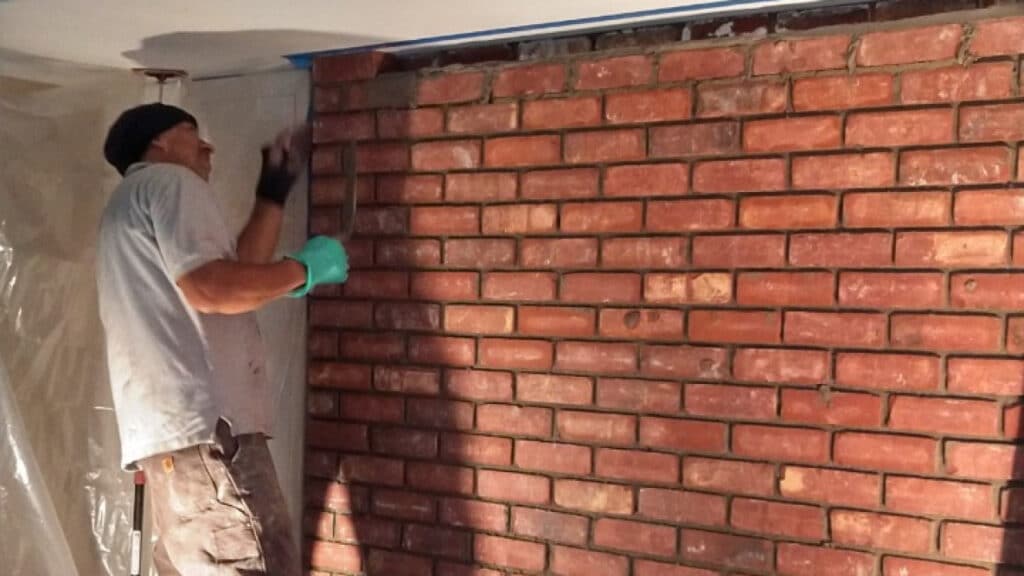
Not all chimney waterproofing materials survive Portland’s harsh climate. The wrong choice holds moisture in your masonry. This speeds up damage instead of stopping it. Understanding which materials work—and which ones fail—saves thousands in repair costs.
Polysiloxane: The Gold Standard for Oregon Weather. Professional-grade polysiloxane sealers penetrate deep into masonry and create lasting protection. These materials bond with minerals in your bricks. They create permanent chemical links up to 1/4 inch below the surface. They are 100% breathable. This lets trapped water vapor escape but keeps liquid water out.
ChimneySaver products use advanced polysiloxane technology that consistently outperforms and outlasts other materials. The chemical bonds created during application become part of your masonry. They offer lasting protection that won’t wash away or evaporate.
Silicone Sealers: Portland’s Moisture Trap. Many hardware stores sell silicone-based waterproofing products that appear appealing due to their low cost. These products create a disaster in Portland’s climate. Silicone creates a surface film that repels water. However, it also prevents moisture from escaping.
When water vapor from your fireplace or condensation gets trapped inside silicone-sealed masonry, it has nowhere to go. Trapped moisture speeds up freeze-thaw damage. This leads to spalling, cracking, and quicker structural failure than untreated masonry.
Acrylics and Latex: Quick Fixes That Don’t Last. Acrylic and latex paints offer some water resistance. However, they don’t hold up well against Portland’s sun and temperature changes.
These surface treatments peel, chip, and allow water infiltration within 2-3 years. They also block breathability, creating moisture problems similar to those caused by silicone sealers.
| Material Type | Expected Lifespan | Notes |
| Polysiloxane (ChimneySaver) | 15-20 years | Proven protection, fully breathable |
| Quality silicone sealants | 10-15 years | Breathability risks, can trap moisture |
| Polyurethane sealants | 5-10 years | Maximum performance in Portland climate |
| Acrylic/latex coatings | 2-3 years | Frequent failure, surface treatment only |
The Masonry Absorption Test (MAT)
Before applying any waterproofing, Portland Chimney performs a Masonry Absorption Test. This easy procedure uses a special test tube on your chimney. It measures how fast water soaks into the masonry. The results show whether waterproofing will be effective and which type is best suited for your masonry.
Application Matters in Portland’s Climate
Even the best materials fail if applied incorrectly. Portland’s rain means timing is key. Waterproofing should be done during dry spells. This lets the masonry soak up the sealer properly. Professional application involves several coats, ensuring mortar joints are fully covered. Pay special attention to high-exposure areas, such as chimney crowns and breast walls.
How Much Does Chimney Waterproofing Cost vs. Major Repairs?

Smart homeowners in Portland invest in waterproofing to avoid costly repairs later. Preventing damage is cheaper than fixing it. This choice protects your home and wallet.
A Smart Investment: Professional chimney waterproofing is wise. It has a reasonable upfront cost. This includes a thorough inspection, high-quality materials, proper application, and regular minor maintenance. This protection lasts over a decade.
The Steep Price of Delay: Water damage costs rise quickly:
- Early problems: Affordable mortar repairs and minor crack sealing
- Major damage: Costly crown rebuilds and extensive masonry restoration
- Complete failure: Devastating full reconstruction and interior renovation
Portland Reality Check: Recent projects reveal significant differences. Laurelhurst homeowners spent a little on preventive waterproofing. They gained decades of protection. In contrast, an Irvington property that skipped waterproofing faced major crown rebuild costs. An Alberta Arts District home had suffered years of neglect and required full reconstruction, which proved to be expensive.
Hidden Expenses: Water damage can lead to unexpected costs, including mold remediation, extensive interior repairs, emergency chimney services, and a decrease in home value during sales.
Insurance Won’t Save You: Most policies don’t cover gradual water damage from neglect. Even with coverage, deductibles can be higher than the costs of waterproofing.
The Bottom Line: Prevention costs much less than repairs.
Fall waterproofing saves money. Spring repairs after winter damage can be costly. Portland’s construction season fills up fast, so schedule early.
Should I Hire a Professional for Chimney Waterproofing?

DIY chimney waterproofing may seem straightforward—apply some sealer and you’re done. Reality hits when Portland homeowners discover their weekend project created more damage than protection. Here’s why professional waterproofing delivers lasting results.
Safety and Expertise You Can’t DIY. Roof work in Portland’s wet climate creates dangerous conditions. Professional crews use scaffolding and safety equipment to access all chimney surfaces safely. They also understand chemical handling, proper ventilation, and protective equipment requirements. Hardware store sealers often trap moisture, accelerating damage instead of preventing it. Professionals use vapor-permeable polysiloxane sealers that breathe while repelling water, understanding application timing and curing processes specific to Oregon’s challenging conditions.
Professional Diagnosis Prevents Mistakes. Portland Chimney’s Masonry Absorption Test determines whether waterproofing will be effective and which materials are best suited for your specific masonry. This assessment prevents wasted money on ineffective treatments that DIY approaches can’t provide.
Complete Protection Process. Professional waterproofing encompasses a thorough inspection, proper surface preparation, the use of professional-grade ChimneySaver materials, expert application with multiple coats, and written warranties accompanied by ongoing support.
The Bottom Line. Professional waterproofing costs more upfront but delivers lasting protection, safety, and peace of mind. DIY waterproofing may save money initially, but it often creates expensive problems that require professional correction. In Portland’s challenging climate, your chimney investment deserves professional protection.
When Should I Waterproof My Chimney? Portland’s Fall Action Plan

Portland’s weather doesn’t wait—neither should your chimney protection. Fall represents your last chance to waterproof before winter’s destructive freeze-thaw cycles begin. Smart timing saves money and prevents emergency repairs.
September-November: The Critical Window
Late summer to early fall is the best time for waterproofing.
Portland’s dry September weather helps sealers penetrate and cure more effectively. This is important before the October rains come back. Professional crews book quickly during this optimal window, so schedule early.
After November, Portland’s wet conditions make waterproofing nearly impossible until spring. By then, winter damage necessitates expensive repairs rather than affordable prevention.
Pre-Winter Checklist for Portland Homes
Before you call for waterproofing, look for these warning signs. They need your attention right away:
Exterior Warning Signs:
- White staining (efflorescence) on bricks indicates water penetration
- Cracked or crumbling mortar joints from freeze-thaw damage
- Damaged chimney crown with visible cracks or missing pieces
- Rusted or damaged flashing around the roofline connection
- Missing or damaged chimney cap allowing direct water entry
Interior Red Flags:
- Water stains on walls or ceilings near the chimney
- Musty odors from the fireplace area indicate trapped moisture
- Peeling wallpaper or paint near the chimney structure
- Visible dampness in the firebox after rain events
Ready to Protect Your Chimney? Start Here.
Call (503) 256-9140 for free estimates. Our experienced team assesses the condition of your chimney and provides honest recommendations. We won’t oversell services you don’t need. Schedule inspections now to finish work before winter storms hit. With over 40 years of experience in Portland, we are well-versed in local weather patterns and can effectively prioritize urgent cases.
Portland’s fall weather window closes fast. Spring repairs after winter damage cost several times more than fall prevention. Contact Portland Chimney today for a professional assessment and waterproofing before winter storms arrive. Protect your investment with proven expertise and quality materials that last.
Frequently Asked Questions About Portland Chimney Waterproofing
How often should I waterproof my chimney in Portland’s rainy climate?
Portland’s 280+ rainy days annually require professional waterproofing every 15-20 years when done correctly with polysiloxane products. However, older homes in neighborhoods like Irvington, Laurelhurst, and Alameda may need more frequent attention due to original masonry conditions. We recommend annual inspections to monitor your waterproofing’s effectiveness, especially after harsh winter storms.
Do chimneys in Southeast Portland neighborhoods like Hawthorne and Division need different waterproofing than West Hills homes?
All Portland chimneys face the same climate challenges, but older Southeast Portland homes often have softer brick that absorbs water faster than newer construction. Historic neighborhoods like Ladd’s Addition and Eastmoreland frequently require gentler polysiloxane treatments that preserve original masonry character while providing modern protection. We adjust our approach based on your home’s age and brick type.
What’s the best time to schedule chimney waterproofing in Portland?
September through early November offers the ideal window for waterproofing in Portland. This timing allows proper sealer curing before winter rains return and ensures availability before our busy emergency repair season. Homeowners in areas like Beaverton, Lake Oswego, and Milwaukie should schedule early, as fall appointments fill quickly throughout the metro area.
How much does professional chimney waterproofing cost compared to DIY options in Portland?
Professional waterproofing represents a modest investment that prevents expensive repairs later. DIY attempts often fail within months in Portland’s challenging climate, leading to costly corrections. Proper professional waterproofing lasts 15-20 years, while DIY projects typically need annual reapplication. The long-term savings make professional service the smart choice for Portland homeowners.
