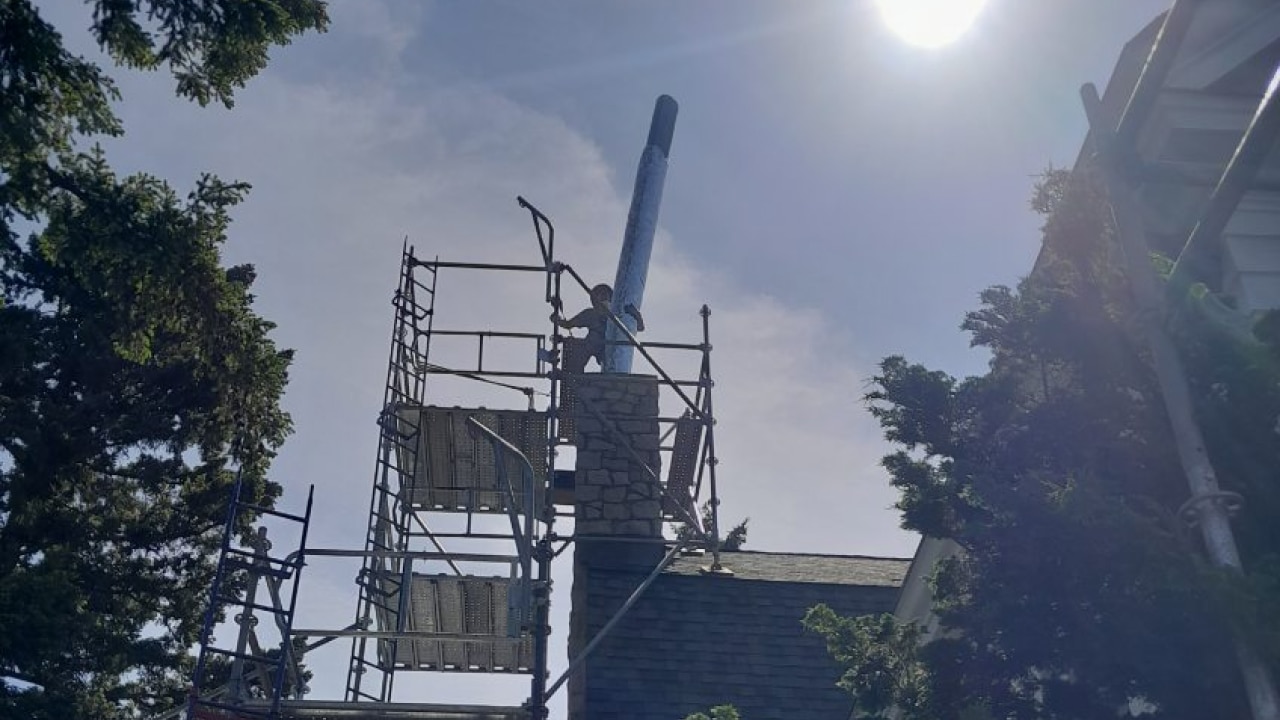
Detection & Repair Guide for Chimney Liner Problems in Richmond
A damaged chimney liner might seem minor, but it plays a critical role in keeping heat, smoke, and gases safely contained. When cracks form, heat can escape into nearby walls, smoke can seep through masonry, and harmful gases may enter your living space — all without obvious signs at first.
Early warnings are often subtle: a lingering smoky odor, bits of tile or debris in the firebox, or unusual staining near the flue. These signs indicate your liner may be deteriorating and allowing heat to reach areas it shouldn’t.
Experienced chimney contractors in Richmond can inspect, detect, and restore liner damage before it leads to costly structural issues or safety hazards. Addressing small problems early ensures your fireplace stays both efficient and secure for years to come.
What a Chimney Liner Does and Why It Matters

Think of the chimney liner as armor for your home. It absorbs the brunt of the fire’s heat and channels smoke safely upward. Without it, your fireplace would scorch the surrounding brick and send corrosive fumes into the house. The liner also keeps airflow steady, making each fire burn hotter and cleaner.
In Richmond, most chimneys use one of three types:
- Clay tile liners: strong but brittle, especially after decades of freeze-thaw stress.
- Metal liners: often stainless steel, perfect for retrofit systems or switching fuel types.
- Cast-in-place liners: a cement-like coating that forms a smooth, solid interior surface.
City codes and insurance requirements now make liners non-negotiable for fire safety. Even if your chimney looks sound, a failing liner beneath the surface can quietly put the home at risk.
Why Liners Fail in Richmond’s Climate

The Pacific Northwest’s weather is tough on chimneys. During winter, moisture trapped in masonry freezes and expands. That pressure widens tiny cracks until they split tile or separate joints. Summer brings humid air that seeps into the structure, feeding rust and condensation.
Routine use adds even more stress. Every fire leaves a trace of creosote. Over time, it hardens and traps heat, which can spark a chimney fire or produce acids that eat away at metal. Older homes near Laurelhurst Park, with their traditional masonry chimneys, often show these issues first. The combination of age, rain, and temperature swings makes inspection and maintenance essential in this part of Richmond.
Warning Signs of Chimney Liner Failure
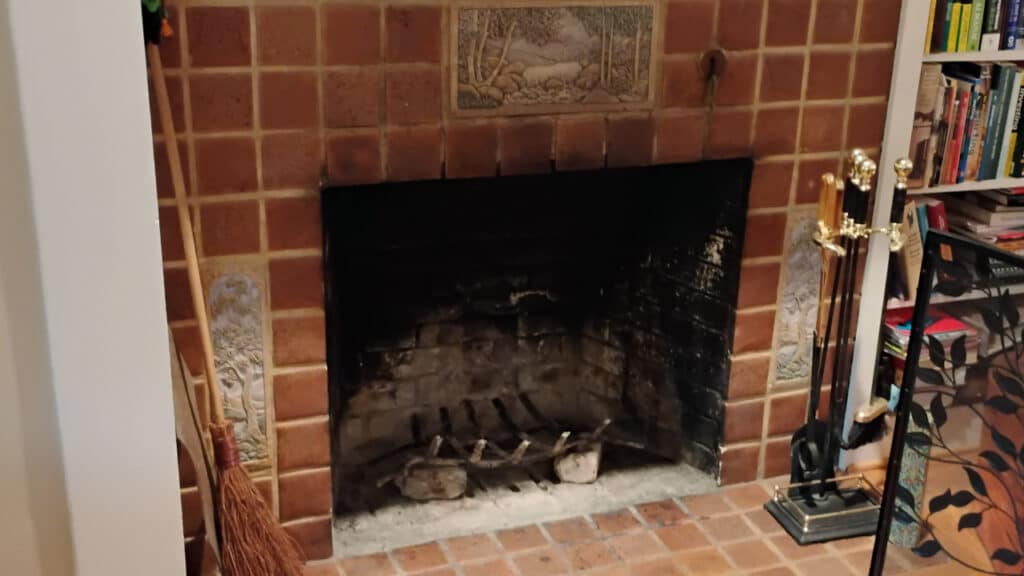
Liner problems start quietly. You might spot flakes of clay in the fireplace or smell smoke long after the fire’s out. Sometimes, the walls near the chimney develop faint stains, or water drips into the firebox during heavy rain. These are more than cosmetic issues—they point to gaps that allow heat and gases to leak through.
When professionals inspect a chimney, they use cameras and sensors to check areas you can’t see. They look for warped joints, hidden rust, or sections where the liner has shifted out of place. Even a chimney that looks fine from the outside can have damage deep inside that disrupts ventilation and allows harmful gases to circulate indoors.
If you’ve noticed any of these signs, schedule professional chimney inspection services before winter heating begins. A small repair now costs far less than a full rebuild later.
How Professionals Detect Liner Problems
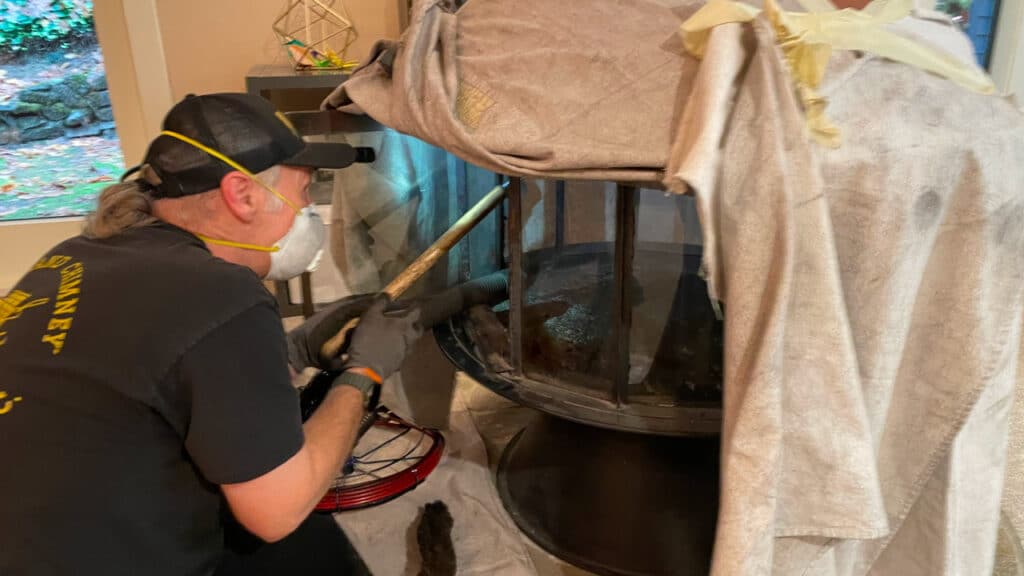
Certified chimney experts follow detailed inspection levels. A Level I inspection checks for blockages or visible deterioration. A Level II inspection, recommended after structural events or home sales, includes internal video scans. These tools trace every inch of the liner, uncovering cracks, separation, or corrosion.
Some technicians also perform smoke tests to reveal leaks or thermal imaging to locate hot spots. Together, these methods provide a full picture of your chimney’s condition—something no flashlight can match.
For extra peace of mind, review the EPA guide on wood-burning maintenance. It outlines safe burning practices and proper upkeep that help prevent liner failure and improve efficiency.
Repair or Replace: Which Option Fits Your Chimney
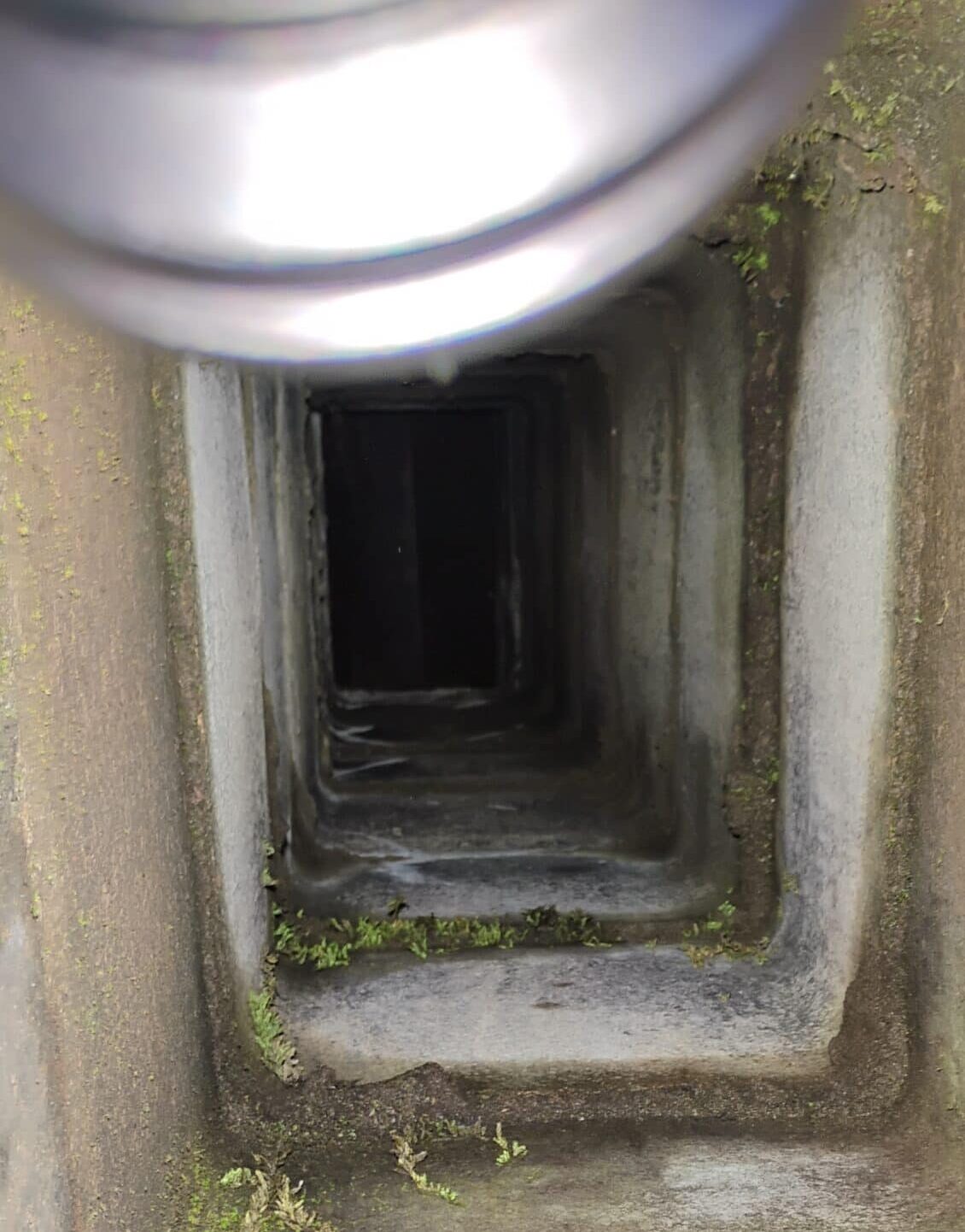

The right solution depends on what the inspection finds. If damage is minor, specialists can resurface the liner with modern sealants that fill cracks and smooth out rough joints. This reinforces the structure and improves draft.
For severe damage—missing tiles, corroded metal, or sections collapsing—replacement is safer. Stainless steel liners are durable, versatile, and compatible with both gas and wood systems. Cast-in-place liners work best for older brick chimneys, creating a seamless new surface that bonds directly to the masonry. Both options restore strength, boost efficiency, and bring aging systems up to code.
Richmond’s Home Mix and Masonry Challenges

Richmond’s blend of old and new homes creates a wide range of chimney designs. Along SE Cesar E Chavez Blvd and East Burnside Street, many properties feature vintage fireplaces alongside newer constructions. That mix means damage shows up in different ways.
Older homes often struggle with mortar erosion and shifting foundations that pull liners apart. Modern prefabricated systems face corrosion from condensation or acidic exhaust. Because of these variations, experienced technicians adjust their approach for each home, preserving character while ensuring safety and durability.
Homeowner Prevention Tips

Preventing liner failure mostly comes down to consistency. Schedule an annual inspection before the first fire of the season. Have your chimney cleaned to remove creosote buildup, and install a cap to keep out rain and wildlife.
Burn dry, seasoned wood instead of green logs or treated lumber. Moisture and chemicals increase smoke and acid buildup. If you don’t already have a waterproof seal on your chimney, consider applying one to stop moisture from seeping into the brick.
To learn how proper venting also protects your family’s air quality, read Richmond Home CO Safety: Beyond Basic Chimney Alarm Systems.
Why Choose Portland Chimney & Masonry Inc.

For more than thirty years, Portland Chimney & Masonry Inc. has helped homeowners maintain safer, longer-lasting chimneys. Our certified technicians follow EPA and DEQ standards and provide detailed reports after every job.
We handle everything from minor liner repairs to full chimney restorations. Each project begins with clear communication, careful planning, and durable materials backed by warranty. Whether your chimney is a century old or just a few years new, our team treats it with precision and respect for your home’s design.
Protect the Heart of Your Fireplace
Your chimney liner is the unsung protector of your home. Once it fails, heat and gases find their way into walls and ceilings, where they can do real harm. Catching those problems early makes all the difference.
If you’ve noticed odors, debris, or moisture around your fireplace, don’t wait. Take action today—contact our team or call (503) 256-9140 to book an inspection. A healthy liner keeps your fires warm, your air clean, and your home safe.
Frequently Asked Questions
What are the most common chimney liner issues found in older Richmond homes?
Clay tile liners often develop cracks, flaking, or missing mortar joints. Richmond’s damp weather speeds this process, especially in chimneys built before updated venting standards.
How often should chimney liners be inspected?
At least once a year. The city’s wet winters and temperature swings can create cracks that stay hidden until a professional looks inside.
Can a damaged chimney liner be repaired, or does it need full replacement?
At least once a year. The city’s wet winters and temperature swings can create cracks that stay hidden until a professional looks inside.
How do chimney liners affect indoor air quality and carbon monoxide safety?
It depends on the extent of the damage. Minor cracks can be sealed, but widespread deterioration or missing tiles usually requires a new liner. Stainless steel and cast-in-place systems are the most durable choices.
What’s the average lifespan of a chimney liner in Richmond homes?
With regular care, stainless steel liners last around 25 to 30 years, while cast-in-place systems can exceed 50. Clay tile liners often need major repairs after several decades due to moisture and freeze-thaw damage.
