
How to tell if your Chimney Crown is Damaged? A Guide for Homeowners in Laurelhurst
The crisp bite of fall in Portland means more than just golden leaves along NE César E. Chávez Boulevard or the first fog rolling over Laurelhurst Park. It also marks the start of the season when your chimney crown or the protective “umbrella” at the very top of your fireplace is under siege. After a dry, sun-baked summer, the first rains of October can turn small, unseen cracks into major repair bills.
For homeowners, where historic houses and tall brick chimneys define the neighborhood’s charm, fall inspections are not just a recommendation; they’re a safeguard. Once temperatures dip, those cracks widen, water seeps in, and suddenly a cozy winter fire turns into a moisture problem or worse, structural damage.
Acting early makes all the difference. With timely inspections from a professional chimney repair service provider in Laurelhurst, you can stay ahead of the weather and keep your fireplace safe and efficient all winter long.
What Is a Chimney Crown and Why It Matters

Think of the crown as your chimney’s roof. It spans across the top, sloping outward to direct water away from the flue and brickwork. Without it, every rainstorm would soak straight into the masonry.
In Laurelhurst, where many homes date back to the early 1900s, chimney crowns were often built with older concrete mixes that lack modern waterproofing additives. Homes closer to the tree-lined streets of NE Multnomah often have crowns that are already decades old. These crowns can still do their job, but only if cracks and wear are caught in time.
Why Fall Is the Most Critical Season for Assessment
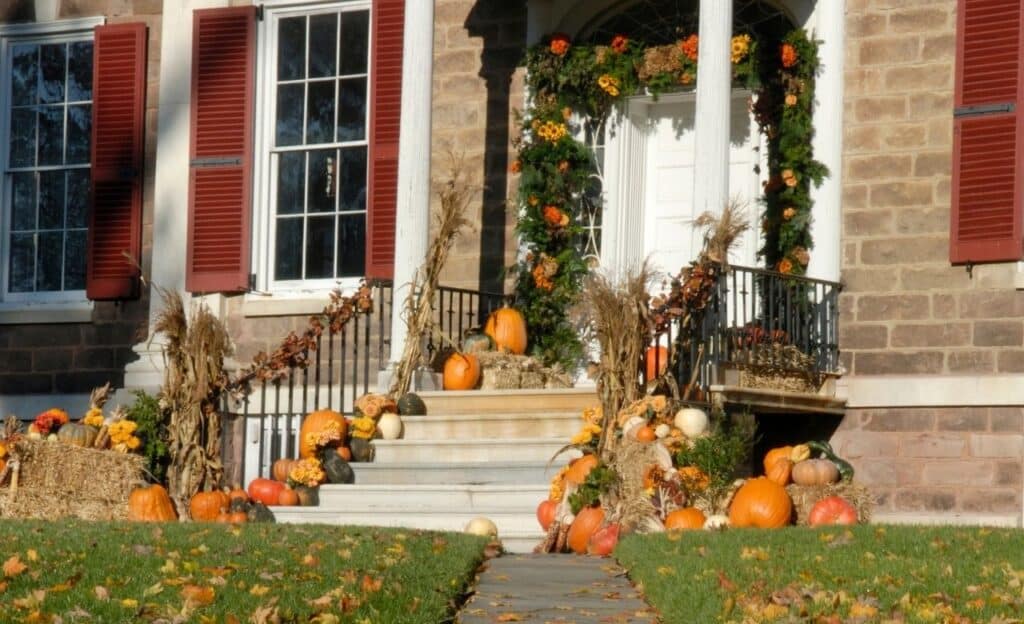
Summer in Portland might not feel extreme compared to other regions, but steady highs in the 80s and 90s bake crowns until they expand and contract daily. By October, cooler temperatures cause the crown material to shift, creating small cracks. Those thermal stresses create hairline cracks that are tiny but dangerous.
Once the fall rains hit, water infiltrates those cracks. Even if Portland’s winters are milder than the Midwest, a few below-freezing nights are enough to expand trapped water into ice, forcing cracks wider. By December, what started as a hairline fracture can become a serious entry point for leaks.
Signs of Chimney Crown Damage
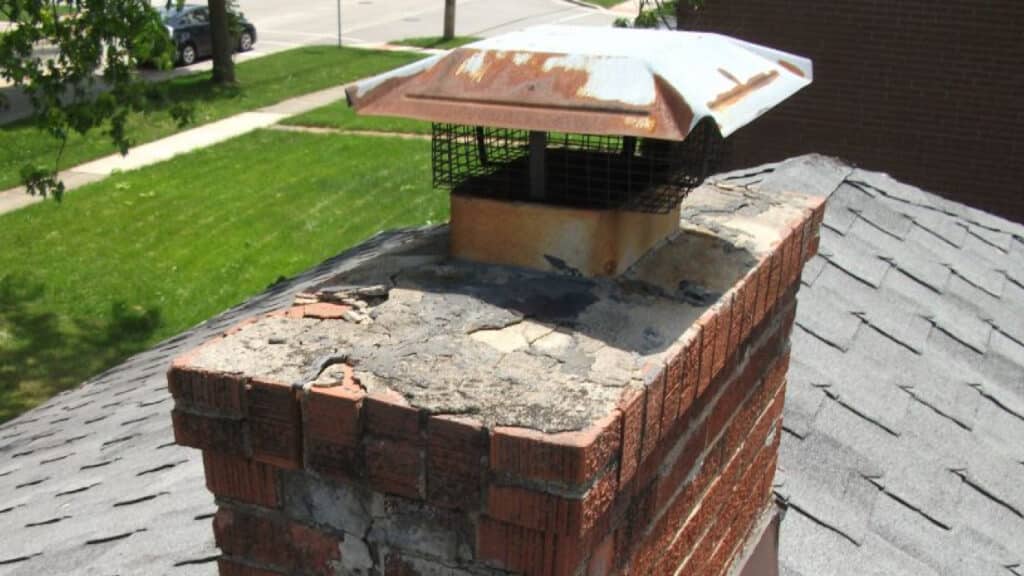
You don’t need to climb on your roof to catch early warning signs. From the ground, a set of binoculars or even your smartphone zoom can help you spot problems. Here’s what to look for:
- Cracks on the crown surface: visible splits that might look like thin lines.
- Pooling water: after a rain, watch if puddles form on top instead of draining off.
- Rust streaks or stains: discoloration running down the sides of the chimney.
- Debris in gutters: bits of mortar or concrete showing up after storms.
- Damp odors or efflorescence inside: white powdery residue or musty smells in the firebox.
Residents often notice stains first because their taller chimneys are fully exposed to wind-driven rain. If you catch any of these warning signs now, you’ll save yourself a bigger repair come spring.
Laurelhurst-Specific Risks

Laurelhurst is known for its tree-lined avenues and historic architecture. That character also comes with maintenance challenges.
- Historic homes: Many crowns were poured decades ago, using mixes that lack today’s durability. They’re more prone to spalling (surface chipping) and erosion.
- Large crowns: The tall, stately chimneys common in the neighborhood mean wider crowns that endure more surface stress.
- Tree canopy: Along NE Sandy Boulevard or streets closer to Laurelhurst Park, falling leaves trap moisture against crowns, keeping them damp long after the rain stops.
For homeowners, this combination means crowns can age faster here than in newer developments across Portland.
DIY Observation vs. Professional Inspection
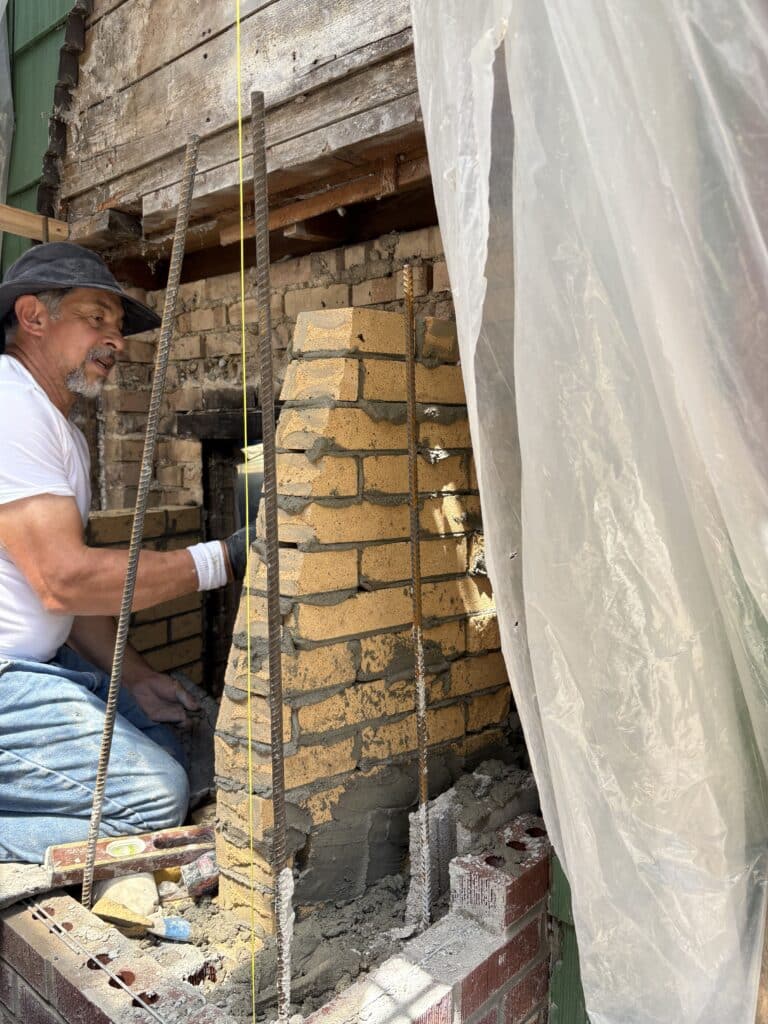
A cautious homeowner can spot surface clues, but ladders and steep rooftops should be left to the pros. Here’s a safe division of roles:
- DIY observation: Use binoculars after a storm to check for puddles or streaks. Look inside your firebox for efflorescence or dampness.
- Professional inspection: Certified masons perform close-up checks, moisture testing, and even camera scans down the flue. This ensures cracks, hidden leaks, or creosote buildup aren’t missed.
For a deeper understanding of another common hazard, see our blog on creosote formation science which explains how buildup affects chimney safety in Laurelhurst homes.
Calling in a pro is about safety and peace of mind. Portland Chimney Inc technicians are trained to catch damage invisible from the ground, saving you from expensive rebuilds later.
Repair & Protection Options

Once an inspection confirms crown damage, repair strategies vary depending on severity:
- Crown sealing: For hairline cracks, a specialized waterproof sealant keeps water out and halts progression.
- Crown resurfacing: If the surface is rough or moderately cracked, resurfacing creates a smooth, watertight barrier that extends lifespan.
- Full rebuilds: For crowns that are crumbling, missing chunks, or beyond patching, rebuilding is the only long-term solution.
- Waterproof coatings: Even new or rebuilt crowns benefit from elastomeric coatings designed for Portland’s persistent rain.
Don’t put repairs off. Scheduling work before November storms prevents water infiltration and keeps holiday fires stress-free. For authoritative guidelines, see Portland Fire & Rescue’s local chimney safety recommendations.
Stay Warm, Stay Safe
The shift from crisp October evenings to winter rainstorms doesn’t have to mean chimney worries. A simple fall inspection, followed by timely repairs, will preserve your fireplace for years to come.
Portland Chimney Inc has decades of experience working on Laurelhurst’s historic masonry and understands the unique challenges of our neighborhood climate. As a provider of reliable chimney services, our mission is to keep your home safe, warm, and efficient.
Call 503-256-9140 today to schedule your crown inspection before winter storms arrive.
Frequently Asked Questions
How often should homeowners schedule a chimney crown inspection in Laurelhurst?
Annual inspections are recommended. Portland’s rain and seasonal temperature swings put stress on crowns every year. For older homes, yearly checks ensure cracks are caught before they spread, protecting both your chimney structure and your fireplace safety.
Can small crown cracks wait until spring for repair?
It’s risky to wait. Even tiny fractures can let water seep in during fall rains. Once temperatures dip below freezing, that moisture expands and makes cracks worse. Addressing cracks in the fall during chimney repair in Laurelhurst is typically cheaper and more effective than waiting until spring.
Why are some Laurelhurst chimneys more vulnerable to water damage?
It depends on age and exposure. Older crowns near NE César E. Chávez Blvd or homes along tree-lined streets collect more debris and moisture. Leaves trap rainwater, keeping crowns wet longer, which accelerates erosion. In contrast, newer crowns built with modern waterproofing hold up better under Portland’s relentless rain.
Do Laurelhurst’s historic homes need crown rebuilds more often than modern ones?
Yes. Most historic crowns were built without today’s reinforced concrete or protective coatings. After decades of exposure, they’re more likely to show cracks, spalling, and leaks. Homeowners in Laurelhurst’s century-old houses should expect to resurface or rebuild crowns more often than those in recently constructed homes.
Does insurance cover chimney crown repairs in Portland?
Usually not. Insurance typically excludes normal wear and tear, including cracks from age or weather. However, if damage stems from a sudden event — like falling debris during a windstorm — you may qualify for coverage. To avoid uncovered costs, schedule inspections and keep your chimney crown maintained.
