
Brentwood-Darlington Chimney Prep for Portland Winters
As autumn settles over the Brentwood-Darlington neighborhood in Southeast Portland, homeowners begin preparing for the cooler months ahead. This historic residential area, stretching from Flavel Park to SE Lambert St and SE 76th Pl, is known for its charming mid-century homes and tree-lined streets that experience the full brunt of Portland’s wet winter weather. For the many residents who rely on fireplaces and wood-burning stoves for supplemental heating, professional chimney inspection and cleaning services in Brentwood-Darlington aren’t just about comfort—it’s about safety and efficiency.
Portland’s unique climate, with its prolonged rainy season and occasional freezing temperatures, presents specific challenges for chimney systems. The combination of moisture, temperature fluctuations, and heavy use during winter months can lead to serious issues if chimneys aren’t properly maintained. Taking proactive steps now can prevent costly repairs, dangerous situations, and uncomfortable nights when you need your fireplace most.
Understanding Portland Winters
Portland winters are characterized by persistent rain, strong winds, and temperatures that typically hover between 35-45°F, with occasional dips below freezing. The city receives an average of 36 inches of rainfall annually, with the majority falling between November and March. This extended wet season creates unique challenges for homeowners throughout Brentwood-Darlington.
The neighborhood’s mature tree canopy, while beautiful, can pose additional risks during winter storms. Falling branches can damage chimney caps, crowns, and flashing, while the constant moisture can accelerate the deterioration of masonry materials. Homes throughout the area, many built in the 1940s through 1960s, often feature original chimney systems that may require more frequent attention than newer constructions.
The temperature fluctuations common in Portland winters—where a day might start with frost and end with rain—cause expansion and contraction in chimney materials. This thermal cycling can worsen existing cracks and create new ones, allowing water infiltration that can lead to significant structural damage over time.
Why Chimney Prep Matters

Neglecting chimney maintenance can lead to serious safety hazards and costly repairs. Creosote buildup, a natural byproduct of burning wood, accumulates on chimney walls and becomes increasingly flammable with each use. According to the National Fire Protection Association, chimney fires account for thousands of house fires annually, with many starting in inadequately maintained systems.
Beyond safety concerns, a well-maintained chimney operates more efficiently, providing better heat output while using less fuel. Proper airflow prevents smoke from backing up into your home and eliminates the frustrating drafts that can make rooms uncomfortable, even with a roaring fire. Clean chimneys also reduce energy costs by ensuring your heating system operates at peak efficiency.
Water damage from Portland’s abundant rainfall can be particularly devastating to chimney systems. Even small leaks can lead to deteriorated mortar joints, damaged flue liners, and compromised structural integrity. What starts as a minor repair can quickly escalate into a complete chimney rebuild if left unaddressed through a wet Portland winter. For homeowners who want a detailed strategy on protecting their home, read our guide on preventing chimney water damage Brentwood-Darlington. Content is not yet available
Essential Chimney Prep Steps
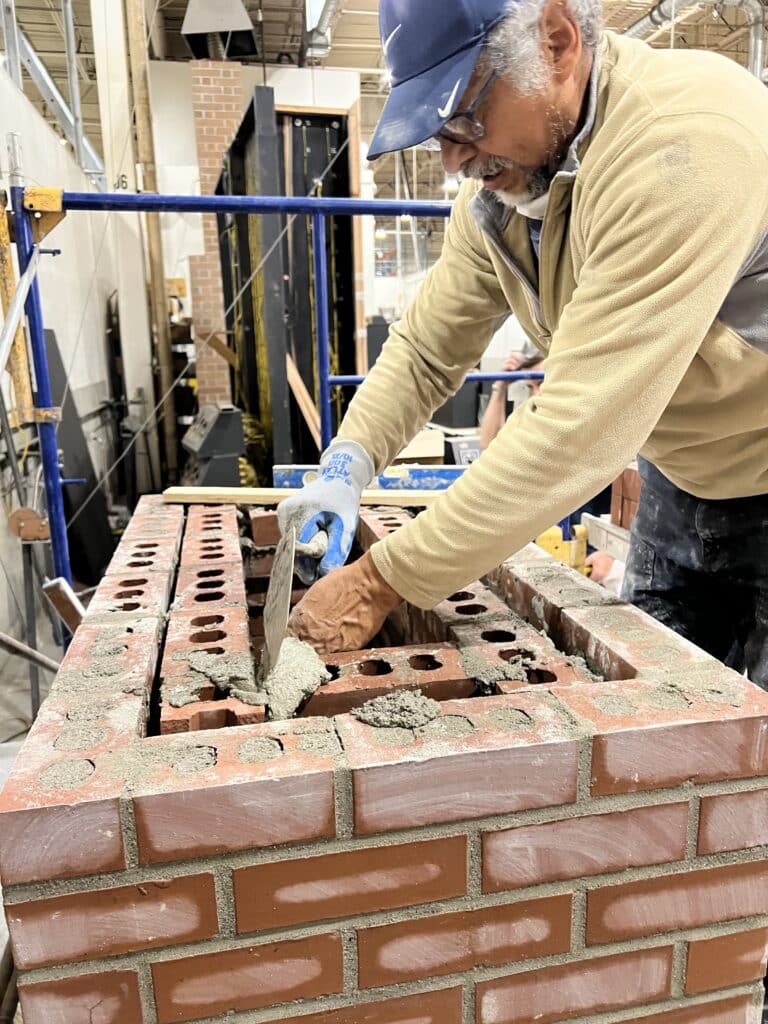
Inspection: The Foundation of Safety
A thorough chimney inspection should be your first step in winter preparation. Professional inspectors examine the entire system, from the firebox to the crown, looking for cracks, deterioration, blockages, and structural issues. They check the flue liner for damage, ensure proper clearances from combustible materials, and verify that all components meet current safety codes.
In the area’s older homes, particularly those along SE Lambert St and surrounding streets, inspectors pay particular attention to smoke chambers, which fire investigators estimate are involved in 40% of chimney-related house fires. The National Fire Protection Association requires these chambers to be parge-coated smooth with insulating refractory mortar—a standard that many vintage chimneys may not meet.
Sweeping: Removing the Hazards
Chimney sweeping removes dangerous creosote deposits, soot, and debris that accumulate during regular use. Professional sweeps use specialized brushes and vacuum equipment to thoroughly clean the entire flue system. They also remove any nesting materials from birds or small animals—a common issue in Portland, where chimney swifts often take up residence.
The frequency of cleaning depends on usage, but most wood-burning systems require annual sweeping. Homes in Brentwood-Darlington that use their fireplaces regularly throughout winter may need mid-season cleaning to maintain safe operation levels.
Repairs: Addressing Problems Before They Worsen
Common chimney repairs include repointing mortar joints, replacing damaged bricks, fixing or installing chimney caps, and repairing flashing around the roof line. In Portland’s wet climate, these repairs are particularly critical for preventing water infiltration.
Chimney crowns and caps take the brunt of weather exposure and often require attention. A properly fitted cap not only keeps rain out but also prevents animals from entering your chimney—including protected species like chimney swifts that cannot be legally removed once they’ve nested.
Waterproofing: Portland’s Most Critical Step
Given Portland’s rainfall patterns, waterproofing is essential for chimney longevity. Professional-grade water repellents can be applied to masonry surfaces to prevent moisture absorption while still allowing the materials to breathe. This treatment is particularly important for the exposed portions of chimneys that face prevailing winds and rain.
Proper flashing installation and maintenance create waterproof seals where the chimney meets the roof. In the area’s older homes, from Flavel Park to SE 76th Pl, original flashing may have deteriorated and require complete replacement to ensure adequate protection.
DIY vs. Professional Services
While some maintenance tasks can be handled by confident homeowners, chimney work often requires professional expertise and specialized equipment. DIY tasks might include installing spark arrestors, applying exterior sealants to minor cracks, and keeping the area around your chimney clear of debris and overhanging branches.
However, structural inspections, flue cleaning, major repairs, and any work involving the roof line should be left to certified professionals. Chimney work often requires working at dangerous heights with specialized tools, and improper repairs can create serious safety hazards.
When choosing a professional service in Southeast Portland, look for certified chimney sweeps with proper licensing, insurance, and local references. Established companies understand Portland’s unique climate challenges and building codes, ensuring repairs meet current safety standards.
Additional Winter Home Heating Tips

Safe wood burning practices are essential for maximizing your fireplace’s benefits while minimizing risks. Only burn seasoned hardwoods with a moisture content below 20%, and avoid burning treated lumber, cardboard, or trash that can create toxic fumes and excessive creosote buildup.
Consider investing in fireplace accessories that improve heat retention and distribution. Glass doors can increase efficiency by preventing warm air from escaping up the chimney when the fire dies down. Heat-resistant fans can help circulate warm air throughout your living space.
Install carbon monoxide detectors on every level of your home and check smoke alarm batteries regularly. These devices provide early warning of potential problems and are your last line of defense against dangerous situations.
Conclusion
Preparing your chimney for Portland’s winter weather is an investment in safety, efficiency, and comfort. Whether your home is near Flavel Park or along the tree-lined streets of SE Lambert St, the combination of thorough inspection, professional cleaning, necessary repairs, and proper waterproofing creates a system ready to handle months of heavy use in challenging conditions.
Don’t wait until the first cold snap to address chimney maintenance. Early autumn is the ideal time to schedule professional services, as demand increases significantly once winter weather arrives. Taking action now ensures your family can enjoy cozy fires throughout the season while maintaining peace of mind about safety.
Contact a certified chimney professional today to schedule your winter preparation service. A properly maintained chimney system will reward you with years of reliable service, efficient heating, and the warm comfort that makes Portland winters more enjoyable.
Frequently Asked Questions
How often should I have my chimney inspected in Portland’s climate?
Due to Portland’s wet winters and temperature fluctuations, annual inspections are recommended for regularly used chimneys. Homes with occasional use should have inspections every 2-3 years, while heavy users may benefit from semi-annual checks.
What are the signs that my Brentwood-Darlington home’s chimney needs immediate attention?
Watch for white staining on exterior masonry (efflorescence), rust on the damper or firebox, strong odors from the fireplace, smoke entering your room, or visible cracks in the crown or flashing. Water stains on walls or ceilings near the chimney also indicate urgent repair needs.
Can I use my fireplace if there are minor cracks in the chimney?
Never use a fireplace with visible structural damage until a certified professional evaluates the system. Even small cracks can allow dangerous gases to enter your home or provide pathways for fire to spread. Schedule an immediate inspection if you notice any damage.
What should I do if I discover animals or birds in my chimney?
Do not attempt removal yourself, especially if you suspect chimney swifts, which are a protected species. Contact a professional chimney service that can safely assess the situation and, if necessary, wait for natural migration before installing preventive measures like chimney caps. Never use fire or smoke to remove animals, as this can be dangerous and illegal.
