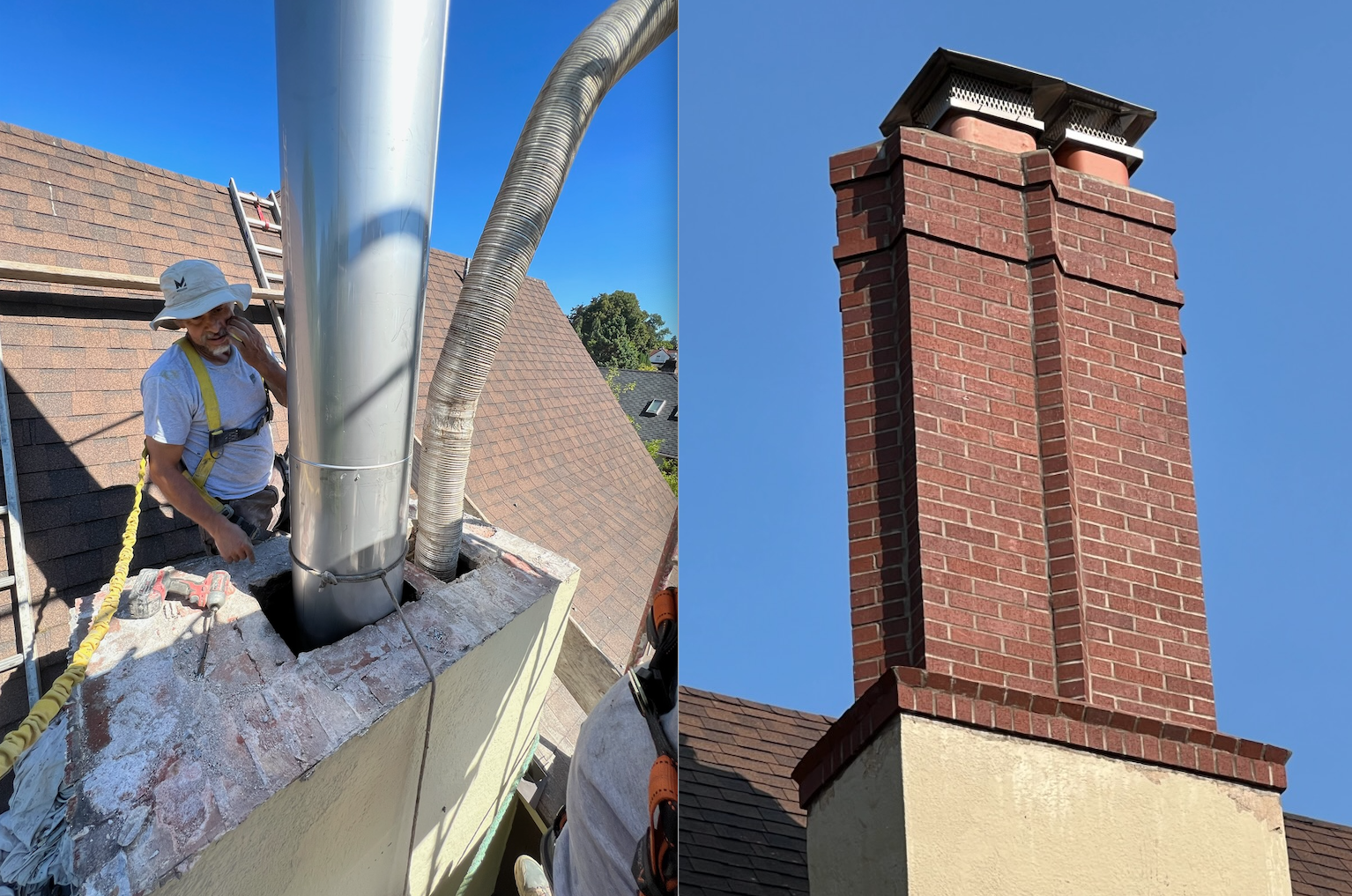
Stop Chimney Water Damage in Brentwood-Darlington Homes
When Portland’s rainy season arrives, your chimney becomes one of your home’s most vulnerable points. For homeowners in Brentwood-Darlington, where historic homes and varied architectural styles define the neighborhood around SE 80th Ave and SE Malden St, protecting your chimney from water damage isn’t just about maintenance—it’s about preserving your investment and ensuring your family’s safety.
Chimney water damage occurs when moisture penetrates your chimney system, leading to structural deterioration, safety hazards, and costly repairs. In Brentwood-Darlington’s climate, with its wet winters and occasional freeze-thaw cycles, chimneys face constant exposure to moisture that can seep through even the smallest cracks and gaps.
Portland’s notorious rainfall, averaging over 36 inches annually, creates the perfect storm for chimney water damage. The combination of heavy rains, temperature fluctuations, and aging masonry in many homes throughout the area—from the residential streets near the Department of Human Services to the established neighborhoods around SE 80th Ave—means that proactive chimney maintenance in Brentwood-Darlington homes is essential for safety and efficiency.
Understanding Chimney Water Damage

Water damage in chimneys often starts small but can quickly escalate into major structural problems. Recognizing the early warning signs can save you thousands in repair costs and protect your home from more serious issues.
Common signs of water damage include:
Leaks and damp patches are often the most obvious indicators. You might notice water stains on walls near your fireplace, dampness in your attic around the chimney area, or actual dripping inside your fireplace during rainstorms. These visible signs typically indicate that water has already been infiltrating your chimney system for some time.
Crumbling mortar and brick represent more advanced water damage. When moisture repeatedly freezes and thaws within masonry materials, it causes expansion and contraction that breaks down the structural integrity. You’ll notice loose mortar joints, cracked, or missing entirely, and bricks that may appear to be “spalling” or flaking apart.
Mold and mildew growth thrives in the damp conditions created by water infiltration. This not only damages your chimney structure but can also pose serious health risks to your family. The musty odors and visible growth patterns are clear indicators that moisture control has become a serious problem.
Brentwood-Darlington homes face particular vulnerability due to the neighborhood’s mix of older construction and the area’s exposure to Portland’s prevailing weather patterns. Many homes in this area were built when chimney construction standards were less stringent, and decades of weather exposure have taken their toll on masonry systems that may not have been designed for today’s extreme weather events.
Causes of Chimney Water Damage
Understanding what causes water to enter your chimney system is the first step in preventing costly damage. Several factors commonly contribute to chimney water infiltration in Brentwood-Darlington homes.
Damaged or missing chimney caps represent one of the most common entry points for water. Your chimney cap acts as an umbrella, directing rain and snow away from the interior of your chimney. When caps become damaged by wind, deteriorate with age, or go missing entirely, water pours directly into your chimney system. This direct exposure accelerates damage to your chimney liner, damper, and surrounding masonry.
Cracked masonry or masonry joints create pathways for water infiltration. Portland’s freeze-thaw cycles are particularly hard on masonry materials. Water enters small cracks, freezes during cold snaps, expands, and widens the cracks further. Over time, this process can compromise entire sections of your chimney structure.
Poor flashing installation or deterioration causes problems where your chimney meets your roof. Flashing is the metal barrier that creates a watertight seal between these two structures. When flashing is improperly installed, ages beyond its useful life, or becomes damaged by weather or debris, water can infiltrate behind the flashing and into your home’s structure.
Rain, snow, and local weather conditions in the SE Portland area create ongoing challenges for chimney systems. The region’s position means exposure to both heavy rainfall from Pacific storm systems and occasional ice storms that can cause rapid freeze-thaw cycles. These conditions test every component of your chimney system throughout the year.
Preventative Maintenance Tips

Regular maintenance is your best defense against chimney water damage. By implementing a consistent inspection and maintenance routine, you can catch problems early and avoid expensive emergency repairs.
Inspecting your chimney regularly should become part of your seasonal home maintenance routine. Walk around your property and visually examine your chimney for obvious damage like cracked masonry, missing mortar, or damaged chimney caps. From inside your home, check your fireplace and surrounding walls for signs of water damage, unusual odors, or visible deterioration. Consider having a professional inspection annually, especially before Portland’s rainy season begins. Regular chimney cleaning and creosote removal are also essential for preventing water-related complications in your fireplace system.
Ensuring your chimney cap is intact and functional protects your entire chimney system. Check that your cap is securely attached, that the mesh screening is intact and free of debris, and that the cap itself shows no signs of rust, cracks, or other damage. A properly functioning chimney cap should direct water away from your chimney opening while allowing proper ventilation for safe fireplace operation.
Checking masonry and mortar for cracks requires careful examination of your entire chimney structure. Look for hairline cracks that could expand during freeze-thaw cycles, missing mortar between bricks, or bricks that appear loose or damaged. Pay special attention to the chimney crown, which caps the top of your masonry chimney, as damage here can allow water to penetrate the entire structure.
Maintaining proper flashing around the chimney base involves ensuring that the metal flashing remains securely attached to both your chimney and roof structure. Look for gaps, rust, or sections of flashing that have pulled away from either surface. Properly maintained flashing should create a continuous, watertight barrier around the entire perimeter where your chimney penetrates your roof.
Solutions for Existing Damage
When preventative measures haven’t been enough, or when you’ve inherited a chimney with existing water damage, several professional solutions can restore your chimney’s integrity and prevent further deterioration.
Professional waterproofing treatments provide a protective barrier against future water infiltration. Modern waterproofing products are designed specifically for masonry chimneys, allowing the masonry to “breathe” and release interior moisture while blocking exterior water penetration. These treatments should only be applied after any existing damage has been repaired and the masonry has been properly prepared.
Replacing or repairing damaged bricks and mortar addresses the structural components of water damage. Professional masons can remove damaged masonry materials and replace them with materials that match your existing chimney’s appearance and structural requirements. This process, known as repointing or tuckpointing, restores both the appearance and water-resistance of your chimney system.
Installing or upgrading a chimney cap provides immediate protection against direct water entry. Modern chimney caps offer superior protection compared to older designs, with better water diversion, improved ventilation, and longer-lasting materials. A properly sized and installed chimney cap is one of the most cost-effective investments you can make in chimney protection.
Resealing flashing and chimney joints creates watertight barriers at the most vulnerable points of your chimney system. Professional flashing repair involves removing old, failed materials and installing new flashing with proper overlap, sealants, and attachment methods. This work requires expertise in both roofing and masonry to ensure a lasting repair.
Choosing a Local Chimney Specialist

Selecting the right professional for your chimney repair needs can make the difference between a lasting solution and recurring problems. Local expertise matters when dealing with the specific challenges that Brentwood-Darlington homes face.
What to look for in a chimney repair service includes proper licensing, insurance, and local experience. In Oregon, chimney professionals should hold appropriate contractor licenses (CCB numbers), carry liability insurance, and have experience working with the types of chimneys common in your neighborhood. Look for companies that specialize in chimney work rather than general contractors who only occasionally work on chimneys.
Questions to ask a contractor should cover their experience, approach to your specific problem, and warranty policies. Ask about their experience with water damage issues, what diagnostic methods they use to identify problems, how they plan to address your specific situation, and what warranties they provide on their work. A professional should be able to explain their approach clearly and provide references from recent similar projects.
Benefits of hiring local professionals include their understanding of regional weather patterns, building styles, and permit requirements. Local professionals have experience with the specific challenges that Portland’s climate creates for chimney systems and understand how different construction eras and styles respond to water damage. They’re familiar with everything from the historic homes near SE Malden St to newer construction throughout the area, and they’re available for follow-up service and warranty work.
DIY vs. Professional Repairs
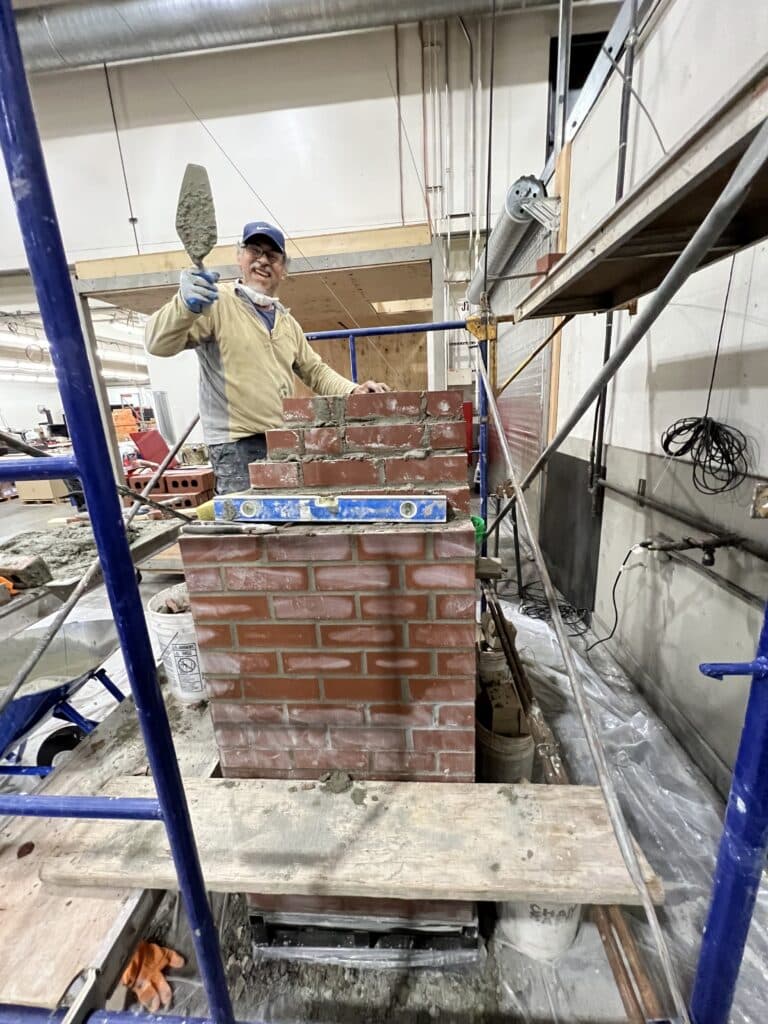
Understanding which repairs you can safely tackle yourself and which require professional expertise helps you make informed decisions about your chimney maintenance and repair needs.
Simple repairs homeowners can tackle themselves include basic cleaning, minor caulking around flashing, and replacing standard chimney caps on accessible chimneys. You can clean debris from your chimney cap, apply caulk to small gaps in flashing (as a temporary measure), and replace a standard chimney cap if you have safe roof access and the proper tools.
However, most significant chimney repairs require professional expertise. When to call in the experts includes any work involving structural masonry repair, flashing replacement, chimney rebuilding, or work that requires accessing steep or high roof areas. Professional expertise is also essential when dealing with interior chimney components like liners or dampers, or when addressing any safety-related concerns like gas venting or carbon monoxide risks.
The complexity of modern chimney systems, combined with the safety risks involved in both the work itself and the consequences of improper repairs, makes professional service the smart choice for anything beyond basic maintenance tasks.
Frequently Asked Questions
How often should I have my chimney inspected in Portland’s wet climate?
We recommend annual inspections, ideally in late summer or early fall before the rainy season begins. Portland’s heavy rainfall and freeze-thaw cycles can cause rapid deterioration, so catching problems early is crucial. If you use your fireplace regularly or notice any signs of water damage, more frequent inspections may be necessary.
What factors affect the cost of chimney water damage repairs?
Repair costs vary significantly depending on several factors including the extent of damage, accessibility of your chimney, materials needed, and the complexity of the repair work required. Every situation is unique, which is why we provide free estimates to assess your specific needs. Contact Portland Chimney & Masonry at (503) 256-9140 for a detailed evaluation and pricing tailored to your situation. The key is addressing problems early when repairs are typically less extensive.
Can I use my fireplace if I suspect water damage?
We strongly advise against using your fireplace until a professional inspection confirms it’s safe. Water damage can compromise your chimney liner, create structural weaknesses, or lead to dangerous conditions like carbon monoxide infiltration. It’s better to wait for professional clearance than risk your family’s safety.
How long do chimney caps last in Portland’s climate?
Quality chimney caps typically last 15-25 years in Portland’s climate, though cheaper materials may fail sooner. Stainless steel caps offer the best longevity against our wet conditions, while galvanized steel caps may rust and require replacement in 10-15 years. Regular inspection helps identify when replacement is needed.
What’s the difference between waterproofing and water repellent treatments?
Waterproofing creates a barrier that blocks all moisture penetration, while water repellent treatments allow the masonry to “breathe” by letting interior moisture escape while blocking exterior water. For chimneys, breathable water repellents are typically preferred because they prevent moisture from becoming trapped inside the masonry, which could cause more damage during freeze-thaw cycles.
Conclusion
Protecting your home from chimney water damage requires a combination of regular maintenance, prompt attention to problems, and professional expertise when repairs are needed. Whether you’re in Brentwood-Darlington or anywhere else in SE Portland, the investment in proper chimney care pays dividends in avoided water damage, maintained home value, and peace of mind during Portland’s rainy seasons.
Don’t wait until water damage becomes a major problem. Take action before the next rainy season by scheduling a professional chimney inspection and addressing any maintenance needs. Your chimney protects your home—make sure you’re protecting your chimney.
Ready to protect your home from chimney water damage? Contact Portland Chimney & Masonry Inc. at (503) 256-9140 to schedule your free estimate. With over 40 years of experience serving Portland Metro area homes, our certified professionals can help you assess your chimney’s condition and recommend the right solutions for your SE Portland home.
