What Influences Your Chimney Repair Costs
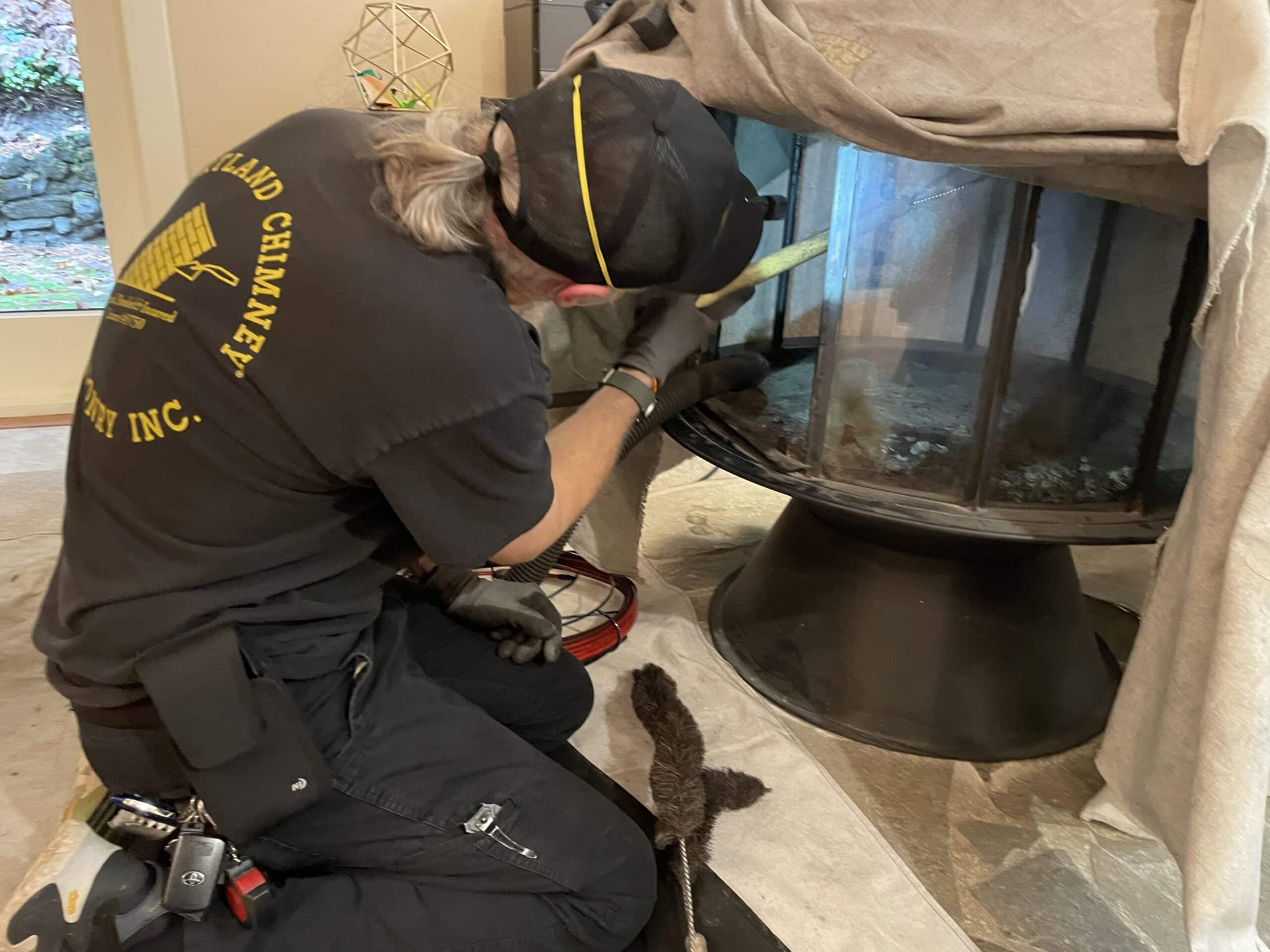
When one of our chimney technicians comes out to your house, they are looking down a specific list of errors to determine what your chimney system needs in order to run safely. Chimney repair costs depend on several key factors. The extent of damage, accessibility of the chimney, and the materials required, such as mortar and brick, all play crucial roles in determining the final price.
Homeowners must also consider the impact of heat, rain, and ice exposure on their chimney’s structure, which can lead to more extensive repairs over time.
Keep reading to discover the main factors that influence your chimney repair costs and how to make informed decisions about maintaining your home’s heating system.
Factors Influencing Chimney Repair Costs

There are certain factors you can spot even with an untrained eye that will indicate whether your project will be more or less expensive. Understanding these factors can help homeowners anticipate expenses and make better repair decisions. Here are the primary elements that influence chimney repair costs:
Extent of Damage
The extent of chimney damage greatly affects repair costs. Obviously severe issues, such as those from a chimney fire, often require extensive and expensive repairs. Water damage, usually from a compromised roof or faulty flashing may be much harder to spot but becomes expensive to repair because of how the moisture deteriorates the chimney structure and surrounding areas, increasing repair scope and costs.
One type of repair that often fools homeowners is masonry and mortar cracks. A minor repair such as sealing small cracks or replacing a chimney cap, is less expensive. However, sometimes the cracks in the brick or mortar carry much further than a homeowner originally sees. This happens often because of the freeze/thaw cycle where water from rainfall is absorbed into the mortar and brick like a sponge and then freezes overnight causing rapid expansion that cracks the mortar. Cracks that go far down your chimney are a major repair and can necessitate a full rebuild. Other extensive repairs including rebuilding the chimney crown or addressing structural issues, can be expensive or higher for a severe case.
While home insurance may cover damage from covered perils including storm damage, routine maintenance issues are typically determined to be the homeowner’s responsibility.
Type of Repair Needed
The type of repair needed influences chimney repair costs in Oregon. Routine tasks like chimney sweeps or inspections are generally less expensive than complex structural repairs and can be completed within a day. Repointing, which involves replacing deteriorated mortar joints, is moderately priced. Extensive repairs, such as fixing smoke damage or issues requiring a roofer’s expertise, tend to be more costly.
Homeowners should consult certified professionals to accurately assess the repair needs and estimate costs.
Materials Used
The materials used in chimney repair impact costs. Basic mortar for tuckpointing is generally less expensive, while specialized materials like metal flashing for waterproofing can be more expensive. Higher-quality materials, though initially more expensive, often offer better protection against weather-related risks, potentially reducing future repair costs. One of the most common shortcuts we see all around Portland is people using the wrong brand of caulking which always leads to water leaks much faster than a professional repair should.
Choosing the right materials for each repair task—such as replacing damaged bricks or installing a new chimney cap—requires careful consideration of durability, aesthetics, and long-term performance.
Labor Costs
Labor costs are a significant factor in chimney repair expenses in Oregon. Skilled masons working with stucco, spall, and concrete demand higher wages, especially for complex repairs on challenging areas like sloped roofs. Fireplace experts are trained at the intersection of masonry, roofing, and proper fireplace installation – a set of skills that are not found in your average contractor. This type of training and understanding comes with a premium hourly rate but is coupled with a much greater value of repair that is more apt to sustain the harsh Portland ice storms.
Chimney Size and Accessibility
Chimney size and accessibility significantly impact repair costs for Oregon homeowners. Larger chimneys, especially those extending well above the roofline, require more materials and labor. The type of roof can impact the access. If you have a terracotta or clay roof then it may be safer to install scaffolding instead of walking directly on the roof and risking breaking sections.
Regular maintenance helps prevent carbon monoxide issues and can reduce long-term costs. Wood-burning fireplaces typically have more complex chimneys, which can lead to higher repair costs due to their intricate design.
| Chimney Factor | Impact on Repair Costs |
|---|---|
| Size | Larger chimneys generally cost more to repair |
| Accessibility | Hard-to-reach areas increase labor costs |
| Material | Brick-and-mortar repairs may require specialized skills |
| Fireplace Type | Wood-burning fireplaces often have more complex chimneys |
Regional Weather Variations Impact Chimney’s Differently
Regional variations in Portland, Oregon, affect chimney repair costs due to local factors. Lately, we’ve been subject to an ice storm almost every winter. This ice storm is often premeditated by several days of cold rain. For a chimney owner, this rain and then ice is a problem because most masonry is able to absorb water easily like a sponge. As the temperatures drop below the freezing point, the water in the masonry hardens and expands, cracking the joints and brick. This can accelerate chimney deterioration and lead to things like leaks and drafts.
Additionally, the availability of skilled chimney professionals and specialized equipment like scaffolding can vary across Portland, affecting labor rates and overall expenses. These factors, combined with each home’s unique chimney system, influence repair costs and the frequency of carbon monoxide inspections.
Inspection and Maintenance Needs
Regular inspections and maintenance can affect chimney repair costs by preventing minor issues from escalating into major expenses. They are also heavily recommended by both the Chimney Safety Institute of America (CSIA) and the National Fire Protection Association (NFPA) to prevent fires and ensure your chimney is safe to use.
Because so much can happen to a chimney system in a year and your fireplace can be an extremely dangerous part of your home if not looked over – we highly recommend an annual inspection before you start to light up the chimney again.
Proactive maintenance, such as waterproofing against rain and cleaning to prevent fire hazards, can substantially reduce long-term repair costs and extend the chimney’s lifespan.
Need help with your Chimney? Call Portland Chimney

Portland Chimney is a trusted resource for homeowners facing chimney repair issues. With decades of experience, their team of certified professionals addresses a wide range of concerns, from water damage to structural defects, ensuring that chimneys remain safe and efficient sources of fuel for heating homes.
Portland Chimney’s comprehensive services include thorough inspections, cleaning, and repairs, all aimed at maintaining the integrity of chimney systems and protecting property values.
Their commitment to quality service and customer education has earned them a strong reputation in the local community, reflected in their positive customer reviews.
Frequently Asked Questions
How do different chimney materials affect repair costs?
Chimney materials significantly impact repair costs. Brick and stone chimneys are often more expensive to repair due to the specialized masonry work required. Metal chimneys, while generally cheaper to fix, may need complete replacement if severely damaged.
Prefabricated chimneys can be less costly to repair but may have shorter lifespans. The complexity of the repair also affects cost, with structural issues being more expensive than simple repointing or relining.
What are the signs that my chimney needs immediate repair?
Signs your chimney needs immediate repair include visible cracks or gaps in the masonry, white staining (efflorescence) on the exterior, a strong odor coming from the fireplace, or pieces of tile or brick in the fireplace. Other red flags are a damaged chimney cap, rusted flashing, or a leaning chimney. If you notice water damage on walls or ceilings near the chimney or hear animal noises, seek professional help promptly.
How often should I schedule chimney inspections?
Schedule chimney inspections annually, ideally before the heating season begins. This frequency allows for early detection of potential issues and ensures your chimney is safe for use. If you use your fireplace frequently or have experienced severe weather events, you might consider more frequent inspections. After any major home renovation or chimney repair, it’s also wise to have an additional inspection to ensure everything is functioning correctly.
Are there any insurance coverage options for chimney repairs?
Insurance coverage for chimney repairs varies by policy. Standard homeowners insurance covers sudden, accidental damage to chimneys, such as those caused by storms or fires. However, damage due to wear and tear or lack of maintenance is usually not covered. Some insurers offer additional coverage for chimneys as a rider to your policy. It’s best to review your policy details and consult with your insurance agent to understand your specific coverage.
What are the most common types of chimney damage?
Common types of chimney damage include creosote buildup, which can lead to chimney fires, and water damage causing mortar deterioration and brick spalling. Structural issues like settling or leaning are also frequent problems. Flue liner damage is another common issue, potentially allowing harmful gases to enter your home. Chimney cap damage or missing caps can lead to water infiltration and animal intrusions. Lastly, damaged or rusted flashing often results in leaks around the chimney base.
