
The Most Common Chimney Repairs in Portland and How to Prevent Them
Is your chimney causing you problems? In Portland’s rainy climate, chimney issues are common and can lead to costly repairs if left unchecked. This article will cover chimney repairs in Portland, including water damage, masonry problems, and flue liner issues.
We’ll also provide practical tips on preventing these problems, helping you maintain a safe and efficient chimney. By understanding these common chimney repairs and taking proactive steps, you can avoid expensive repairs and ensure your chimney continues to provide warmth and comfort for years to come.
Water-Related Chimney Repairs

The chimney crown protects your chimney from wet weather but can wear down over time. Cracks from freeze-thaw cycles, water seepage, and crumbling masonry are hazards and common signs of damage and can cause leaky chimney repair. If water enters the firebox after rain, the crown may need repairs.
Look for advanced damage signs like rusted dampers, loose flue tiles or debris, or white stains on bricks (efflorescence), all pointing to water issues.
Preventive Measure
A strong crown made with cement, not regular mortar, lasts longer. It should extend past the chimney edge to keep water off the masonry. Professional installation often includes a 10-year warranty for added protection.
Regular maintenance keeps the crown in good shape. Apply a quality crown sealer and schedule yearly inspections, ideally in summer. A stainless steel cap also helps. Even small cracks should be repaired quickly, as they worsen over time.
Experts recommend a professional inspection before the rainy season to catch issues early and avoid costly damage.
Masonry-related Chimney Issues
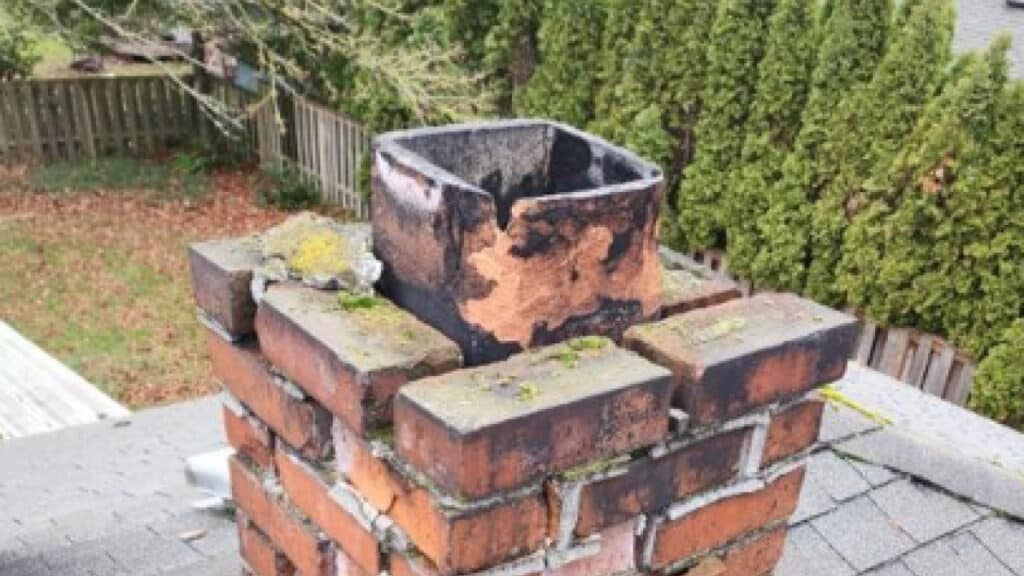
Portland’s wet climate can weaken chimney masonry over time, making it a common repair need. Heavy rain and freeze-thaw cycles often cause damage that requires attention.
Brick and Mortar Problems
Water entering the masonry can lead to flaking bricks, crumbling mortar, and cracks. When brick and mortar separates, weak spots form, allowing more water to seep in and worsen the damage.
Prevention Strategies
Prevent damage by making sure your chimney cap is in good shape and directing water away from the rest of the chimney structure. This keeps moisture out while letting the masonry breathe. Regular tuckpointing, where damaged mortar is replaced, helps maintain the structure’s strength.
Repointing mortar joints is considered a small repair and is much cheaper than a full chimney rebuild which is more common on historical homes in neighborhoods like Arlington. Good ventilation, proper drainage, and annual inspections also help prevent severe damage.
Experts recommend summer inspections for easier detection and repair of issues, helping extend the chimney’s lifespan.
Structural Issues

Foundation problems are among the most serious chimney issues in Portland homes. Common causes include eroded soil from moisture, incorrect footing size or depth, and uneven house settling, which can cause the chimney to tilt. Cracks, where the chimney foundation meets the home or damage to roof flashing often, indicate foundation issues.
Signs of Foundation Problems
Portland’s wet climate can cause gaps between the chimney and home walls that widen over time. Poor soil compaction, especially in older neighborhoods, can also lead to foundation instability.
Prevention Strategies
Prevent issues by ensuring proper drainage around the chimney foundation and fixing water infiltration quickly. Professional inspections should check the chimney base for settlement signs. Installing proper roof flashing also helps prevent water damage.
For the best protection, schedule structural inspections during summer when weather conditions allow easier detection of problems. Foundation repairs can range from $400 for basic stabilization to several thousand dollars for a full rebuild.
Creosote Buildup in the Chimney Flue

Portland’s damp climate creates unique challenges for chimney maintenance. The combination of moisture and restricted airflow in many Portland homes can accelerate creosote formation, making regular maintenance particularly crucial.
Progressive Buildup
Creosote accumulation occurs in three distinct stages:
Stage 1 appears as a fine, soot-like powder that is relatively easy to clean with basic brushing. Stage 2 develops into hard, crusty tar-like deposits that require specialized cleaning tools. Stage 3, the most dangerous form, appears as a thick, glossy coating that can look like tar dripping down the chimney walls.
Physical Hazards
Creosote buildup presents several serious risks. When ignited, creosote can cause intense chimney fires that can spread to the roof or other parts of the house. The restricted airflow from buildup can trap toxic gases, including carbon monoxide, inside the home. The acidic nature of creosote can also cause respiratory issues and skin irritation.
Prevention Strategies
Effective prevention requires multiple approaches:
- Use only seasoned hardwoods that have dried for 6-12 months
- Maintain proper burning temperatures and avoid restricting airflow, as low-burning fires produce more creosote
- Schedule annual professional inspections, preferably during the summer months
- Watch for signs of poor ventilation, such as smoke entering living spaces or difficulty starting fires
For Portland homeowners specifically, experts recommend more frequent inspections during the wet season, as moisture can accelerate creosote formation. The cost of regular maintenance is significantly less than addressing a chimney fire or complete system replacement.
Professional Chimney Maintenance

Regular maintenance is crucial in Portland’s climate. The National Fire Protection Association (NFPA) 211 requires an annual chimney inspection by a qualified professional of all chimneys, fireplaces, and vents. For homes with heavy fireplace use, more frequent inspections may be necessary, particularly during the wet season.
Professional inspections should include a thorough examination of all chimney components, including the crown, flashing, masonry, and liner. These inspections help prevent hazardous situations like carbon monoxide intrusion and chimney fires
Weather Protection
Portland’s wet climate requires specific protection measures. The application of professional-grade water repellents should be vapor-permeable, allowing the chimney to “breathe” while still repelling water. These sealants can reduce water penetration by up to 99.9% when properly applied.
Seasonal Considerations
Portland’s weather patterns demand particular attention. With the city receiving an average of 43 inches of rainfall annually, significantly higher than the national average, regular maintenance becomes even more critical. Inspections should be scheduled before the rainy season begins, and any damage should be addressed promptly to prevent water infiltration.
Safety Considerations
Fire prevention requires vigilant maintenance. For homes regularly burning wood for heat, chimneys should be swept at least once a year, while those burning wood more frequently may require quarterly cleaning.
The frequency of cleaning depends on usage patterns:
- Light use (1-2 times per week): Annual cleaning
- Moderate use (3-4 times per week): Twice yearly
- Heavy use (Daily): Quarterly cleaning
Carbon monoxide protection is essential for safety. According to the U.S. Consumer Product Safety Commission, over 200 people die each year from carbon monoxide poisoning caused by venting problems in heating systems. Installing carbon monoxide detectors near sleeping areas and having annual professional inspections are crucial preventive measures.
Who are we? Meet Portland Chimney Inc. – Portland’s Top Fireplace Repair Expert
Portland Chimney has been helping homeowners in Portland with their fireplace and chimney repair services for decades. Their team of certified professionals addresses a wide range of concerns, from water damage, leaning chimneys, and leaking fireplaces all the way to structural defects, ensuring that chimneys remain safe and efficient sources of fuel for heating homes.
Portland Chimney’s comprehensive chimney services include thorough inspections, cleaning, and repairs, all aimed at maintaining the integrity of chimney systems and protecting property values. They offer their services across Portland including neighborhoods like Garden Crest and Anna Mann.
Their commitment to quality service and customer education has earned them a strong reputation in the local community, reflected in their positive customer reviews. Give them a call today!
Frequently Asked Questions
What are the most common water-related chimney repairs in Portland?
In Portland, common water-related chimney repairs include fixing flashing leaks, repairing cracked crowns, addressing water-damaged masonry, and resolving condensation issues. These problems often stem from the city’s rainy climate, which can lead to moisture infiltration and deterioration of chimney structures over time.
How can homeowners prevent masonry issues in their chimneys?
Regular maintenance is key to preventing masonry issues in chimneys. Homeowners should schedule annual inspections, promptly repair any cracks or damage, ensure proper waterproofing, and keep the chimney cap in good condition. These steps help protect the masonry from water damage and deterioration.
What are signs that a chimney liner needs repair?
Signs of a chimney liner needing repair include visible cracks, gaps, or deterioration, flaking tiles inside the flue, and water leaks in the chimney. Excessive creosote buildup, smoke entering the home, and a strong odor from the fireplace are also indicators that the liner may require attention.
How often should a chimney be inspected for structural problems?
Chimney experts recommend annual inspections to detect structural issues early. However, more frequent checks may be necessary for older chimneys, those in areas with severe weather, or after events like earthquakes or storms. Regular inspections ensure safety and prevent costly repairs.
What steps can be taken to reduce creosote buildup in chimneys?
Regular chimney cleaning, using seasoned hardwood, maintaining proper airflow, and avoiding smoldering fires can help reduce creosote buildup in chimneys. Installing a chimney cap and ensuring proper chimney liner insulation also contribute to minimizing creosote accumulation, promoting safer fireplace operation.
