

Rumford Firebox Restoration — Historic Portland Home
Project Overview
| Field | Value |
|---|---|
| Service Type | Rumford Firebox Restoration |
| Materials Used | ASTM C315 alumina-silica firebrick; HeatStop 50 refractory mortar |
| Special Considerations | Period-correct Rumford proportions; EPA lead-safe protocol for pre-1978 home |
| License | Oregon CCB #49750 |
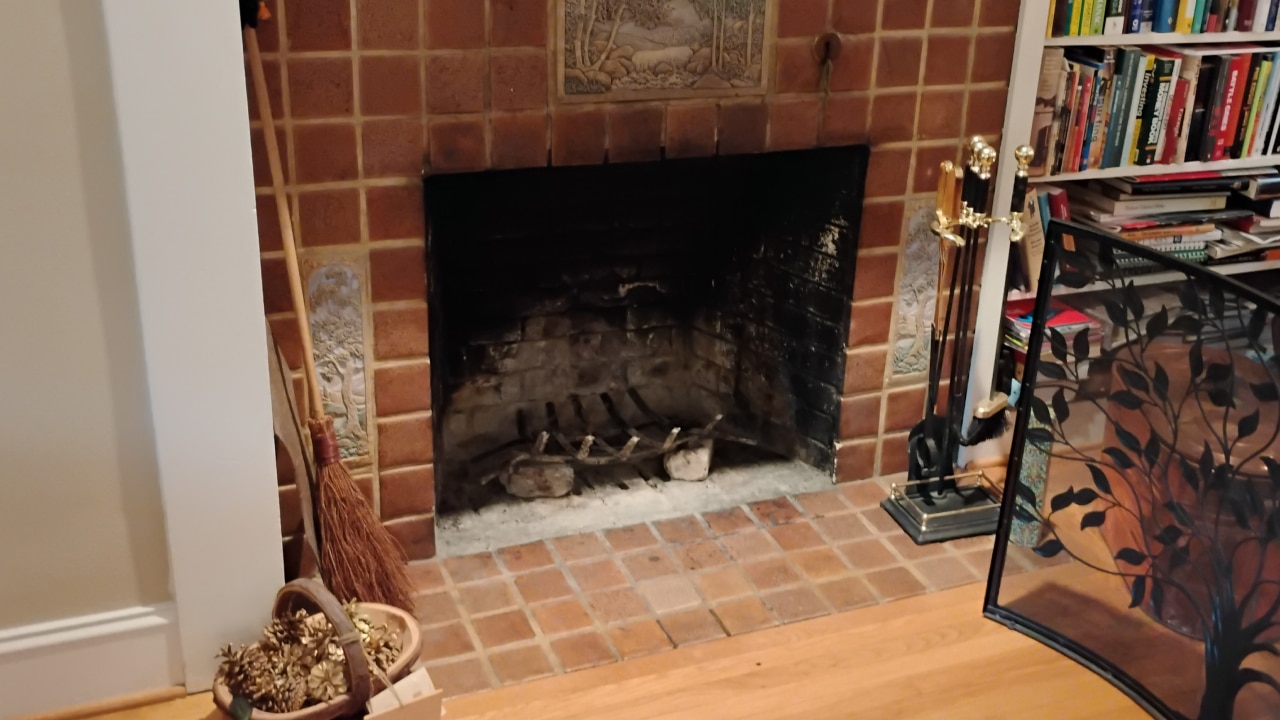
Why Historic Rumford Fireplaces Start Failing
Count Rumford published his fireplace design proportions in 1796, and the style spread quickly because it worked. Many Portland homes built between the late 1800s and the 1930s still contain Rumford fireplaces or fireplaces influenced by Rumford proportions.
The issue is that many of these fireplaces have been modified over the decades.
We’ve seen mid-century repairs that moved the fireback, replacement dampers installed without considering throat geometry, and smoke chambers patched with the wrong materials. Even small changes can disrupt the airflow that makes a Rumford fireplace draft properly.
The result is usually the same:
✓ Smoke entering the room during startup
✓ Weak draft performance
✓ Poor heat reflection
✓ Fireplaces homeowners eventually stop using altogether
In many cases, the masonry itself is still structurally sound. The real problem is that the original proportions no longer work together.
Portland Chimney & Masonry Inc | 9136 NE Glisan St., Portland, OR 97220 | (503) 256-9140
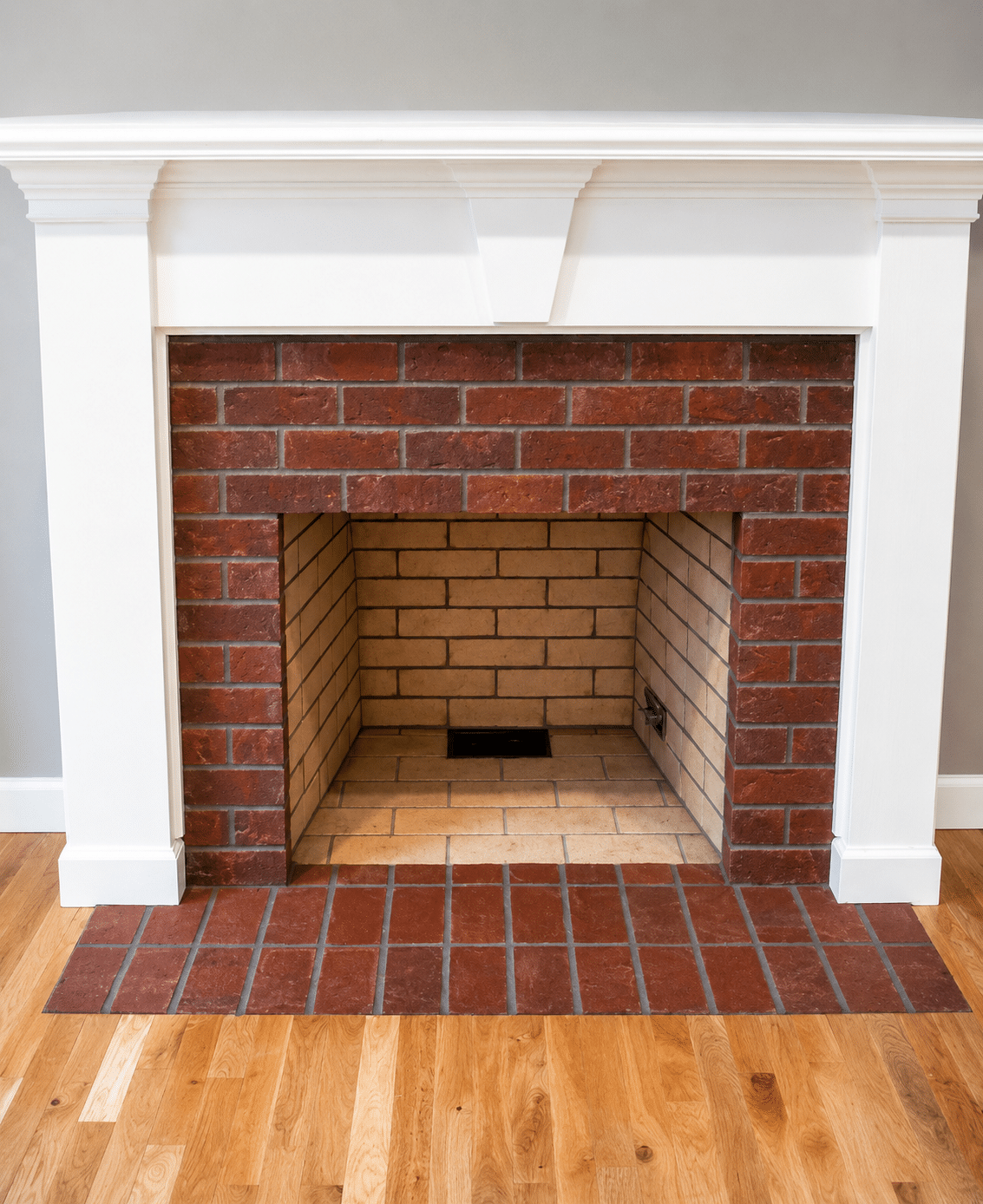
Rebuilding the Fireplace the Way a Rumford Is Supposed to Work
Restoring a Rumford firebox is different from a standard fireplace repair because every part of the system affects how the fireplace performs.
The firebox depth needs to remain shallow — typically around 12 to 14 inches. The angled sidewalls, known as covings, must direct radiant heat outward into the room rather than absorb it. The fireback stays straight and vertical, while the throat opening must taper correctly to create the smooth draft effect Rumford fireplaces are known for.
We also addressed the smoke chamber, which is often a problem in older Portland homes. Many pre-1940 fireplaces were built with corbeled smoke chambers that create turbulence above the throat. For this project, we help improve airflow while bringing the system closer to modern code standards.
The firebox itself was rebuilt using:
✓ ASTM C315-rated alumina-silica firebrick
✓ HeatStop 50 refractory mortar
✓ Tight refractory joints between 1/16 and 1/8 inch
Standard mortar does not hold up to repeated thermal cycling inside an active firebox, which is why proper refractory materials matter in historic fireplace restoration projects.
For homes built before 1978, our EPA Lead-Safe Certified team also follows required lead-safe work practices throughout demolition and reconstruction.
The Finished Result: Better Draft, Better Heat, Same
Historic Character
When a Rumford fireplace is rebuilt with the correct proportions, the difference is noticeable immediately.
The shallow firebox and angled covings reflect heat efficiently back into the room instead of losing it up the chimney. Draft performance improves, smoke problems disappear, and the fireplace becomes usable again without sacrificing the home’s historic character.
For this homeowner, the result was a fireplace that finally performed the way it was originally designed to.

What the Homeowner Said
They rebuilt the wood-burning chimney in our historic home and did so with cheery expertise. Five stars plus!
Rick R., Portland
Need Rumford Firebox Restoration in Portland?
If your historic fireplace smokes, drafts poorly, or shows signs of deteriorated firebrick and mortar, we can help restore it properly while preserving the home’s original character.
Call (503) 256-9140 or request a free estimate online. We’ll inspect the firebox, evaluate the existing proportions, and provide a clear restoration scope before any work begins.