
Why Portland Home Sales Require a Level 2 Chimney Inspection
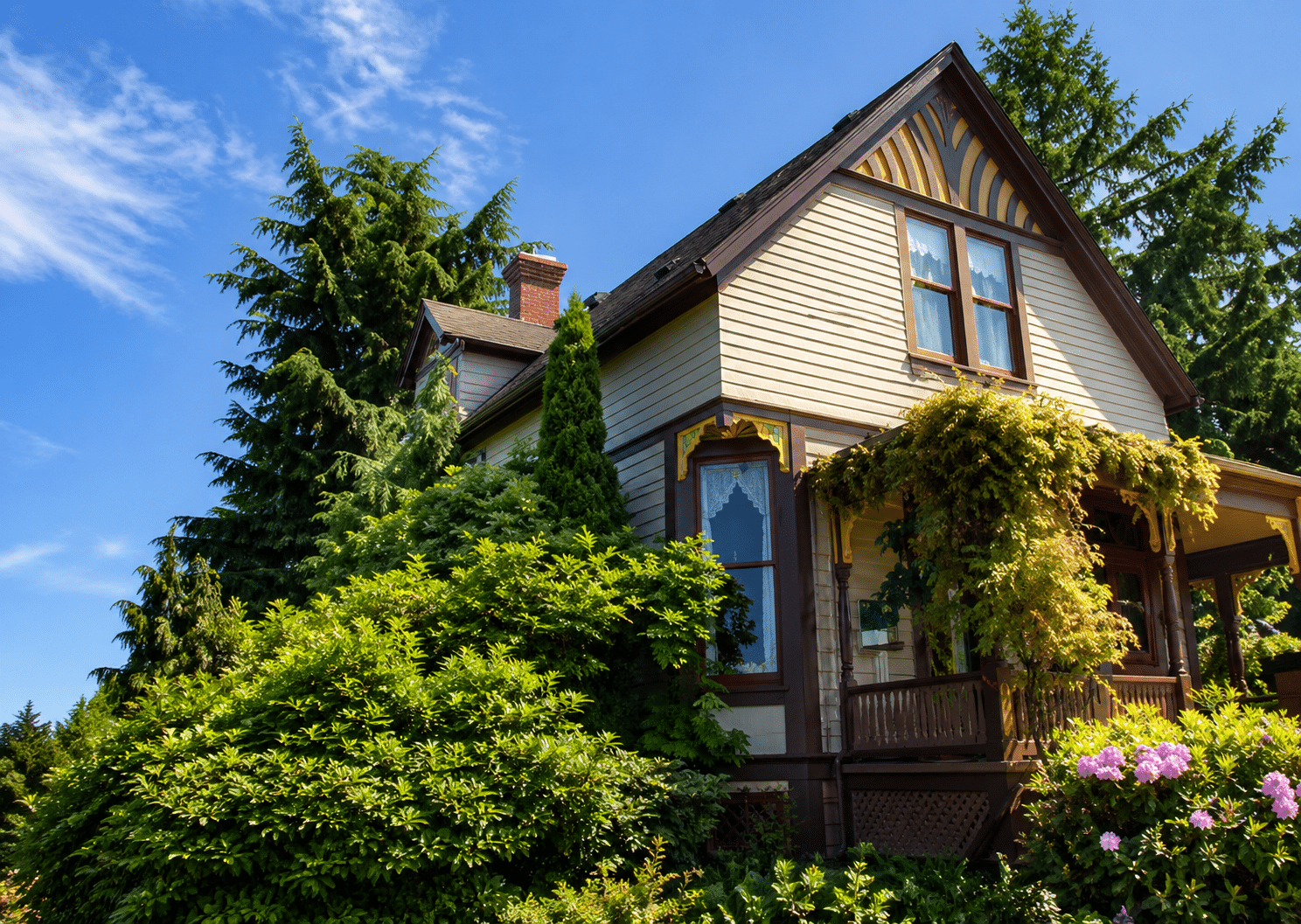
Portland’s older homes sell quickly, especially in neighborhoods like Sellwood, Irvington, Laurelhurst, Ladd’s Addition, and Grant Park. What many buyers do not realize during the showing is that the chimney may never have been properly lined.
Much of Portland’s pre-1940 housing stock was built before modern flue liner requirements existed. Many masonry chimneys in those homes still contain deteriorated clay tile liners or no liner at all. A general home inspection rarely uncovers those issues. A Level 2 chimney inspection in Portland will.
Per NFPA 211, the national standard governing chimney safety, a Level 2 inspection is required whenever a property changes ownership. That requirement exists because the camera scan performed during a Level 2 inspection is the only reliable way to evaluate the full interior condition of the flue without dismantling the chimney structure.

What NFPA 211 Requires and Why General Home Inspections Fall Short
NFPA 211 defines three chimney inspection levels.
A Level 1 inspection covers readily accessible portions of the chimney system and is appropriate when no appliance changes or known performance issues exist.
A Level 2 inspection is more comprehensive. It includes a full video scan of the flue interior, verification of the required clearance to combustible framing, and inspection of accessible attic, roofline, and crawl space areas surrounding the chimney. Under NFPA 211, Level 2 inspections are required during the sale or transfer of property.
Most general home inspectors do not perform Level 2 chimney inspections. In many cases, they evaluate only what is visible from the firebox opening and chimney exterior. In a fifteen-foot masonry chimney, which may expose only the bottom few feet of the flue.
In Portland’s older neighborhoods, that limitation matters. A 1928 chimney in Irvington may have no liner at all. A 1950s chimney in Sellwood may contain cracked clay flue tiles hidden well above the smoke chamber. Neither condition is visible without a camera inspection.
What a Level 2 Chimney Inspection Actually Covers
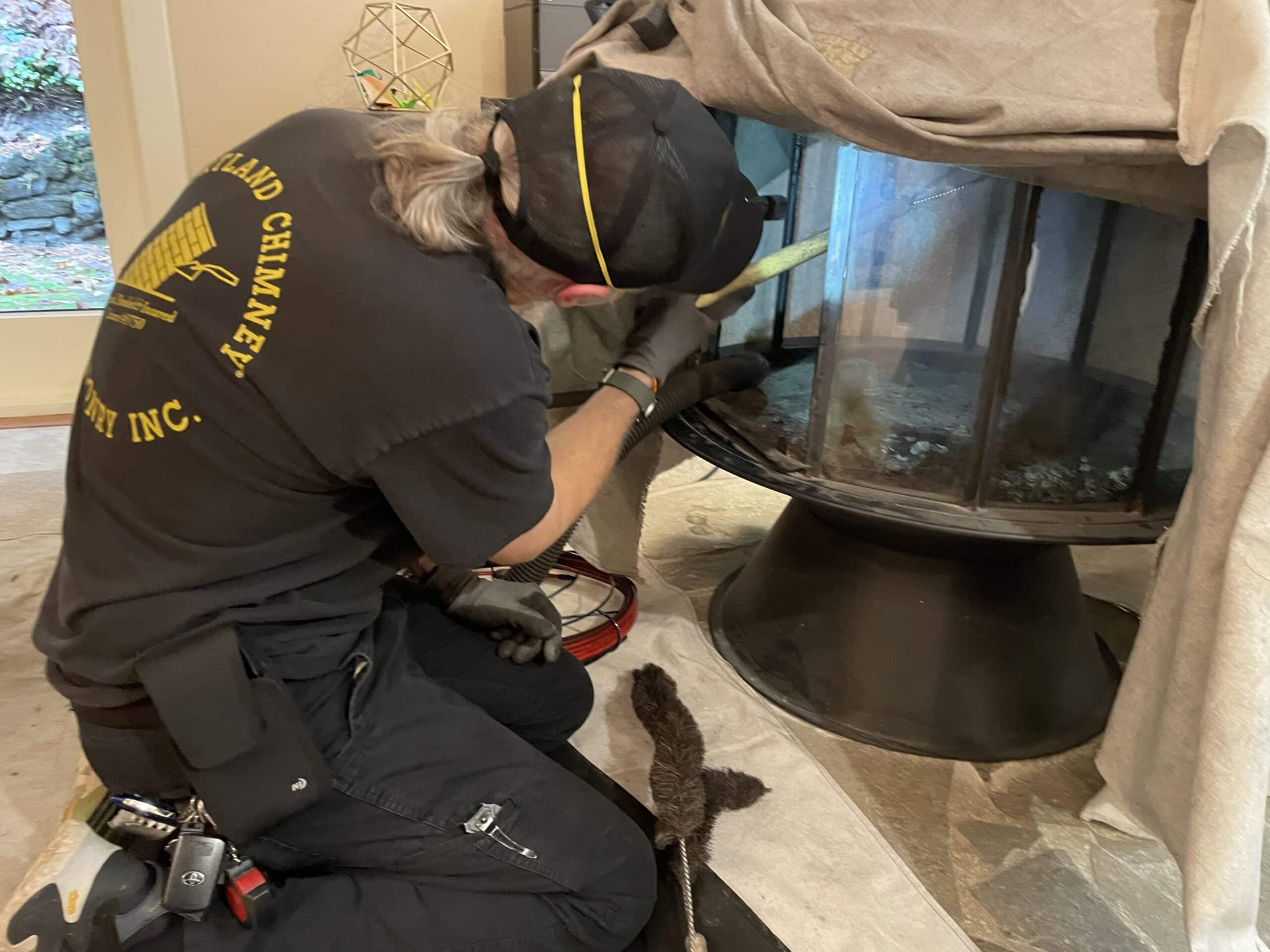
The defining element of a Level 2 inspection is the internal camera scan.
A closed-circuit chimney camera travels the full length of the flue, documenting cracked liner sections, missing mortar joints, offsets, combustible intrusion points, creosote accumulation, and signs of water entry. Due to its comprehensive nature, a single-flue inspection may take between one and two hours. The footage becomes part of the written inspection report.
Beyond the flue itself, a Level 2 inspection also evaluates:
✓ Chimney crown condition
✓ Cap and spark arrestor condition
✓ Exterior masonry deterioration
✓ Moisture intrusion patterns
✓ Clearance to combustible framing
✓ Accessible attic and crawl space areas around the chimney
Portland Chimney and Masonry provides video documentation with every Level 2 chimney inspection service. That visual record matters during real estate negotiations because buyers, sellers, and agents can review the exact condition of the flue rather than relying solely on written descriptions.
If the inspection reveals a condition that cannot be fully evaluated without opening concealed portions of the structure, the process advances to a Level 3 inspection involving limited demolition access.
For more information, see chimney inspection services.
What Level 2 Inspections Commonly Find in Portland Homes
Portland chimney failures tend to follow predictable patterns based on housing era, neighborhood, and long-term moisture exposure.
Unlined Chimneys in Pre-1940 Portland Homes
One of the most common findings in Sellwood, Laurelhurst, Irvington, and Ladd’s Addition is an unlined masonry chimney.
Before liner requirements existed, many chimneys in the area were constructed as open brick shafts. Under current code standards, operating a wood-burning appliance through an unlined chimney creates both fire and carbon monoxide hazards.
When discovered during a real estate transaction, the typical resolution involves installing a stainless steel liner, negotiating repair credits, or temporarily decommissioning until repairs are completed.
Cracked Clay Flue Tiles in Mid-Century Homes
Mid-century homes throughout East Portland commonly contain cracked clay tile liners.
Portland’s wet climate creates cooler-burning fires and elevated condensation inside the flue system.
Over decades, repeated thermal cycling weakens mortar joints and fractures clay tile sections. These failures are rarely visible without a video inspection.
Water Intrusion and Crown Failure
Water damage is another consistent issue across Portland’s older masonry chimneys.
The chimney crown protects the structure from rain penetration, but the area averages roughly 37 inches of annual rainfall, with significantly higher totals in the West Hills. Once moisture enters the masonry system, deterioration accelerates quickly.
Other common findings include:
- Rusted throat dampers
- Stage 2 creosote accumulation
- Efflorescence on brick surfaces
- Damaged chimney caps
- Mortar joint deterioration
Because Portland Chimney and Masonry has inspected chimneys throughout the metro area for more than 40 years, the company quickly recognizes recurring failure patterns tied to specific housing eras and construction methods.
What Buyers Should Know Before Closing
A Level 2 chimney inspection service should be scheduled early in the inspection contingency period.
Most Oregon real estate transactions provide a limited timeframe for inspections, repair negotiations, and contingency removal. Delaying the chimney inspection until late in the process leaves little time to gather repair estimates or negotiate credits if major defects are discovered.
In many transactions, the buyer orders and pays for the inspection as part of the due diligence process. If problems are uncovered, buyers generally have four options:
✓ Request repairs before closing
✓ Request a repair credit or price reduction
✓ Accept the property as-is
✓ Withdraw during the contingency period
Many common chimney repairs — including stainless steel liner installation, crown repair, and HeatShield restoration — can be completed within standard Portland escrow timelines if identified early enough.
To schedule an inspection, call Portland Chimney and Masonry at (503) 256-9140.

What Sellers Should Do Before Listing
A pre-listing chimney inspection gives sellers the opportunity to identify problems before a buyer’s inspection turns them into a negotiation issue.
Many of the most common Portland chimney findings — including damaged crowns, missing caps, deteriorated liners, and moisture intrusion — can be repaired before the property hits the market.
Sellers who address those issues early often reduce repair-credit negotiations and streamline the inspection process during escrow.
Permit requirements also affect scheduling. Chimney liner installations in Portland typically require permitting through the city, which should be factored into pre-listing repair timelines.
Working With a Certified Portland Chimney Inspector
A Level 2 chimney inspection is not a visual pass with a flashlight. It is a full-flue video inspection designed to identify hidden defects inside the venting system.
For buyers, the inspection provides clarity before closing. For sellers, it provides an opportunity to resolve problems before they affect negotiations.
Portland Chimney and Masonry has served the Portland metro area for more than 40 years. Earl and Angelica Burnham are OCSA-certified inspectors, and the company is licensed in Oregon and Washington.
The company performs Level 1, Level 2, and Level 3 chimney inspections and provides video documentation with every Level 2 inspection.
Visit chimney inspection services or call (503) 256-9140 to schedule.