
How to Prevent Chimney Fires: A Portland Homeowner's Guide
This guide will walk you through a simple, three-step strategy to ensure your fireplace is a source of comfort, not concern, for your family anywhere in the Portland area.
The 3 Pillars of Chimney Fire Prevention
Preventing a chimney fire doesn’t require complex tools or technical knowledge. It comes down to a consistent, three-part strategy that any homeowner can adopt. Think of it as your annual safety plan: inspect, burn smart, and know the signs.
Pillar 1: Schedule an Annual Professional Inspection & Cleaning
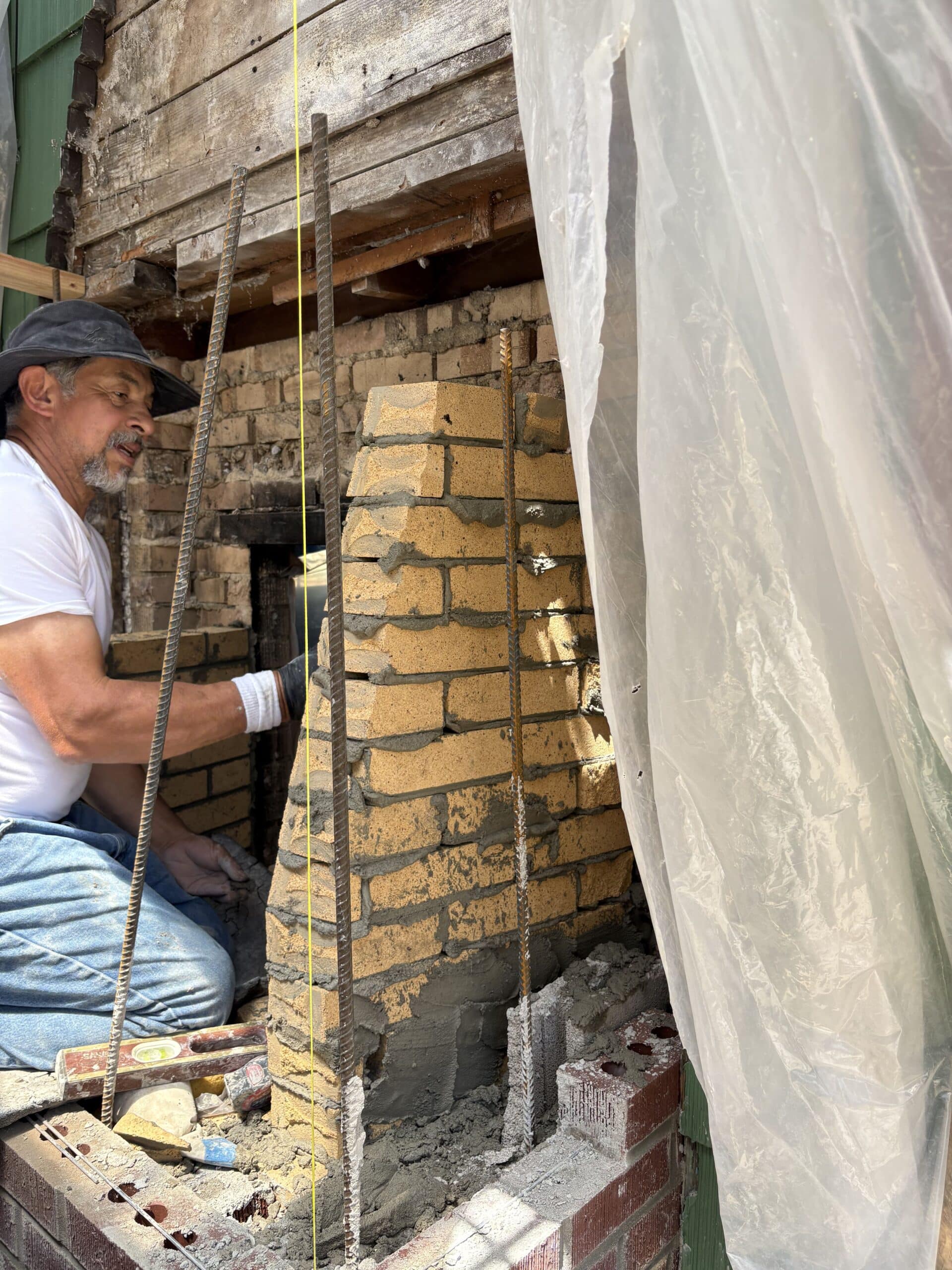
This is the single most important step in fire prevention. An annual professional chimney inspection is the only way to know for sure what’s happening inside your flue. But what does that actually involve?
What to Expect During a Professional Inspection
A standard annual visit, known as a Level 1 Inspection, is a thorough visual assessment. A certified technician will:
- look over the outside of your chimney, checking the bricks, mortar, and crown for any visible issues
- check how your stove or fireplace is connected to the chimney to make sure it’s secure
- send a camera up the flue to get a clear look at the inside walls, searching for hidden cracks, blockages, or dangerous creosote buildup
- get you a full report with photos so you can see exactly what they see
This non-invasive process is the bedrock of chimney safety. For homeowners in Beaverton, Lake Oswego, or anywhere in the Portland metro, this annual inspection is essential for spotting issues before they become expensive hazards.
It’s during this process that a technician can recommend a thorough chimney cleaning to remove flammable creosote or identify hidden dangers like a cracked flue liner.
Understanding Inspection Levels
While a Level 1 inspection is the annual standard, there are two other types you should know about:
Level 2 Inspection: This is a more in-depth inspection required when you’re selling a home, have had a chimney fire, or are making changes to your system (like installing a new appliance). It includes everything in a Level 1, plus a video scan of the entire system and an inspection of the attic, crawlspace, and other accessible areas.
Level 3 Inspection: This is the most intensive level, reserved for when a serious hazard is suspected that requires concealed areas of the chimney to be exposed. This may involve removing drywall or parts of the chimney structure to investigate further.
Pillar 2: Smart Burning Habits: What You Burn and How You Burn It
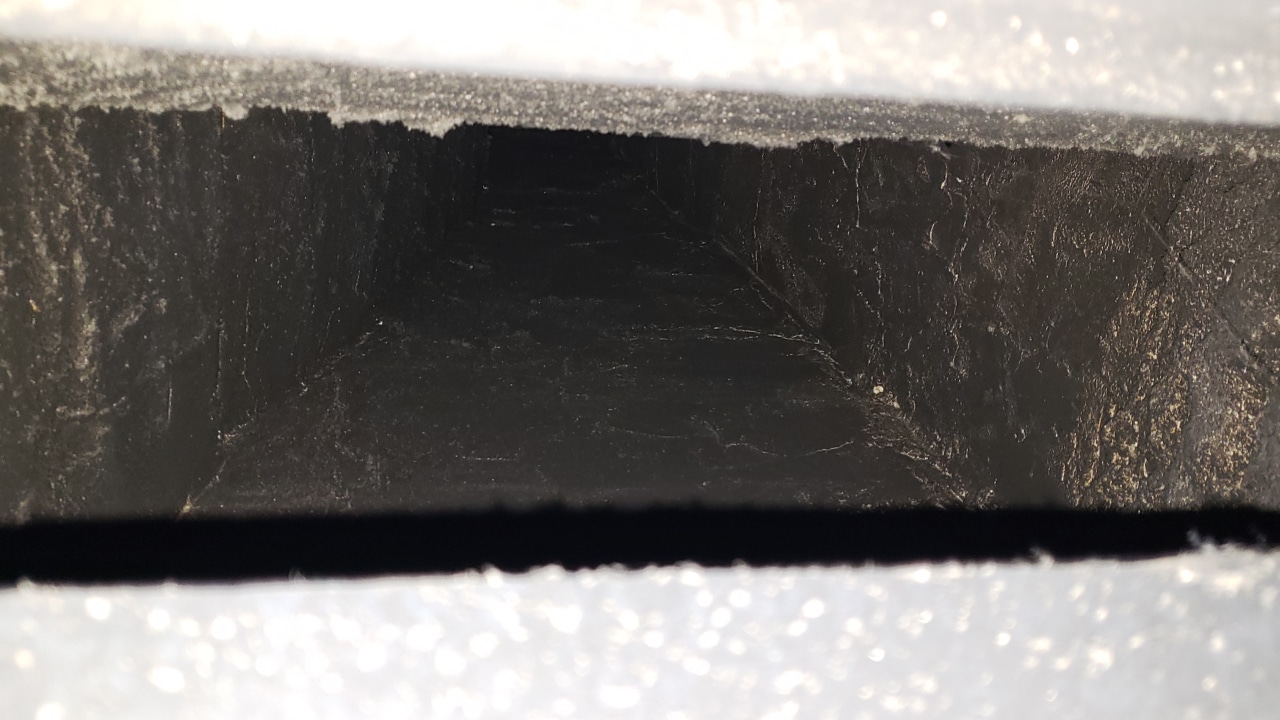
What you put in your fireplace is just as important as its condition. Following proper burning practices can dramatically reduce the rate of creosote buildup. The goal is to produce as little smoke as possible, because smoke is what creates creosote.
What Creosote Actually Looks Like: The 3 Stages
Not all creosote is the same. A professional can identify which stage you’re dealing with:
Stage 1 (Light Soot): A fine, black, flaky powder. This is easy to remove with a standard chimney brush.
Stage 2 (Crunchy & Tar-Like): Hard, black, crunchy deposits. These are more difficult to remove and are a clear sign that your burning habits need to change.
Stage 3 (Glazed or Hardened): A thick, shiny, hardened layer of tar that looks like it has been poured down the chimney. This is the most dangerous form of creosote, as it is extremely flammable and difficult to remove. It often requires specialized tools and chemicals.
| Practice | Good Habit (Reduces Risk) | Bad Habit (Increases Risk) |
|---|---|---|
| Fuel Type | Dry, seasoned hardwoods (like oak or maple) | Wet, green, or treated wood |
| Burning Technique | Smaller, hotter fires that burn completely | Large, smoldering fires with low oxygen |
| Why It Matters | Hotter fires produce less smoke and therefore less creosote. Dry wood burns more efficiently. | Wet wood and smoldering fires create a smoky, tar-like residue that quickly builds up as dangerous third-degree creosote. |
Pillar 3: Recognizing the Warning Signs of a Chimney Fire
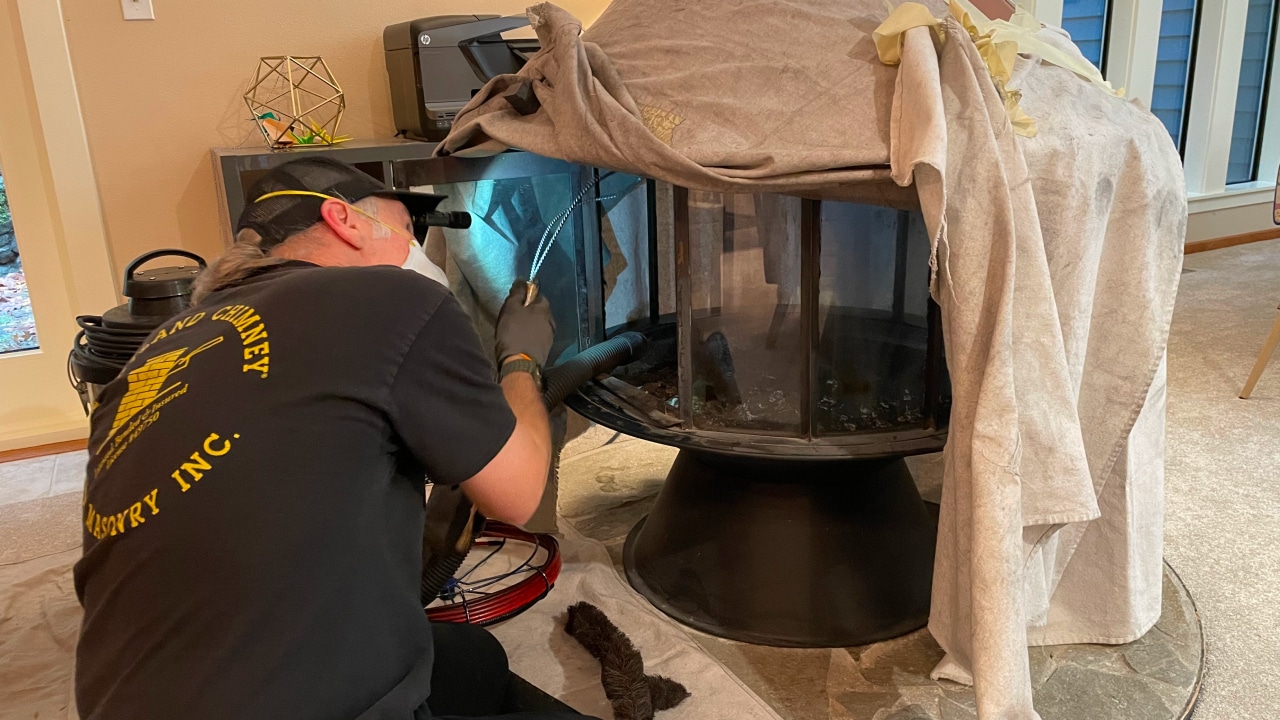
Sometimes, despite your best efforts, a chimney fire can occur. Knowing the signs can help you react quickly to minimize damage. If you experience any of the following, get everyone out of the house and call 911 immediately.
A Loud Roaring Sound: Often compared to a freight train or a low-flying airplane.
Dense, Pungent Smoke: Thick, dark smoke billowing from the top of your chimney or into your home.
An Intensely Hot Smell: A distinct, acrid smell that is different from a normal wood fire.
After the fire department has left, it is critical to call for a professional assessment. A chimney fire can cause severe, often hidden, structural damage. The intense heat can crack flue tiles, damage masonry, and compromise the entire system, making it unsafe for future use. The chimney must not be used again until a Level 2 inspection has been performed and any necessary chimney repairs have been completed.
Frequently Asked Questions About Chimney Safety
How often should I really get my chimney inspected in Portland?
The NFPA and the Chimney Safety Institute of America (CSIA) both recommend an annual inspection and cleaning for all active chimneys. Given Portland’s wet climate, which promotes faster creosote buildup, this annual check-up is essential.
Can I clean my own chimney to prevent fires?
While DIY kits are available, they are no substitute for a professional. A certified technician does more than just sweep; they perform a safety inspection that can identify hidden hazards you might miss. We break down the differences in our DIY vs. Professional Sweeping guide.
How much does a chimney inspection cost in Portland?
A standard Level 1 chimney inspection in the Portland area typically costs between $150 and $350. This price can vary depending on the accessibility of your chimney and the type of appliance. While it may seem like just another home maintenance cost, it’s a tiny fraction of the tens of thousands of dollars a chimney fire can cause in damages. For a detailed breakdown, visit our chimney inspection cost page.
Does burning wet wood really cause fires?
Yes. Burning wet or unseasoned wood creates cooler, smokier fires. This smoke condenses on the inside of your flue as creosote, the primary fuel for a chimney fire. Always use wood that has been properly seasoned for at least 6-12 months.
What should I do if I think I’m having a chimney fire?
Get everyone out of the house immediately. Close the fireplace damper if you can do so safely to cut off the air supply. Call 911 from outside. Do not assume it will burn itself out.