
Easy Ways to Waterproof Your Chimney
Chimney waterproofing is vital for protecting your home and prolonging your chimney’s life. Constant exposure to the rain, snow, and moisture in the Pacific Northwest without any maintenance leads to water damage and structural issues. By taking steps to waterproof your chimney, you can avoid costly chimney repair projects and ensure it works efficiently and safely for years.
This guide will explain why chimney waterproofing matters for Portland homes especially, explore effective ways to keep your chimney system dry, and offer practical tips tailored to Oregon’s wet climate. Whether you plan to handle the task yourself or hire a professional, understanding these basics will help you protect your chimney and home.
Add a Chimney Cap

Installing a chimney cap is one of the most cost-effective ways to prevent leaks. It’s usually made of metal, like stainless steel or copper.
A chimney cap protects your chimney from rain, snow, and sleet, which is especially important in Oregon’s wet climate. By keeping water out, it helps prevent costly damage over time.
It also stops debris like leaves and twigs from falling into your chimney, reducing the risk of clogs and fire hazards. On top of that, it keeps animals like birds and squirrels from nesting in your chimney, avoiding blockages and unpleasant smells.
A chimney cap can even improve your fireplace’s efficiency by preventing downdrafts and reducing smoke backflow into your home. Best of all, it’s an affordable way to protect your chimney and keep your home safe from water damage.
Fix the Flashing

Chimney flashing is crucial for creating a watertight seal between the roof and the chimney. It’s the metal barrier that seals the gap between the masonry of your chimney and the ceramic or tile of your roof. It consists of two parts:
1. Base flashing: Placed at the bottom of the chimney
2. Counter flashing: Embedded into the chimney’s mortar joints
Good flashing keeps a tight seal between the two different material types, acting as a barrier for the water. Without it, you could end up with leaks, mold, and expensive damage to your roof and attic.
What we’ve seen too often is roofing contractors installing chimney flashing incorreclty, or a masonry expert also having halfway knowledge. As chimney experts we are specifically trained in the interplay between the two material types – giving homeowners the correct installation.
How to install flashing correctly?
- Use strong materials like aluminum or galvanized steel.
- Secure the flashing tightly to both the chimney and roof with nails or screws.
- Apply a high-quality roofing sealant for extra protection.
Remember, proper installation is key. It involves using aluminum or galvanized steel sheets, securely fastened to the chimney and roof using nails or screws. The flashing is one of the most important parts of a chimney repair or chimney installation so it’s best to hire a professional.
Should You Use a Waterproof Sealant?
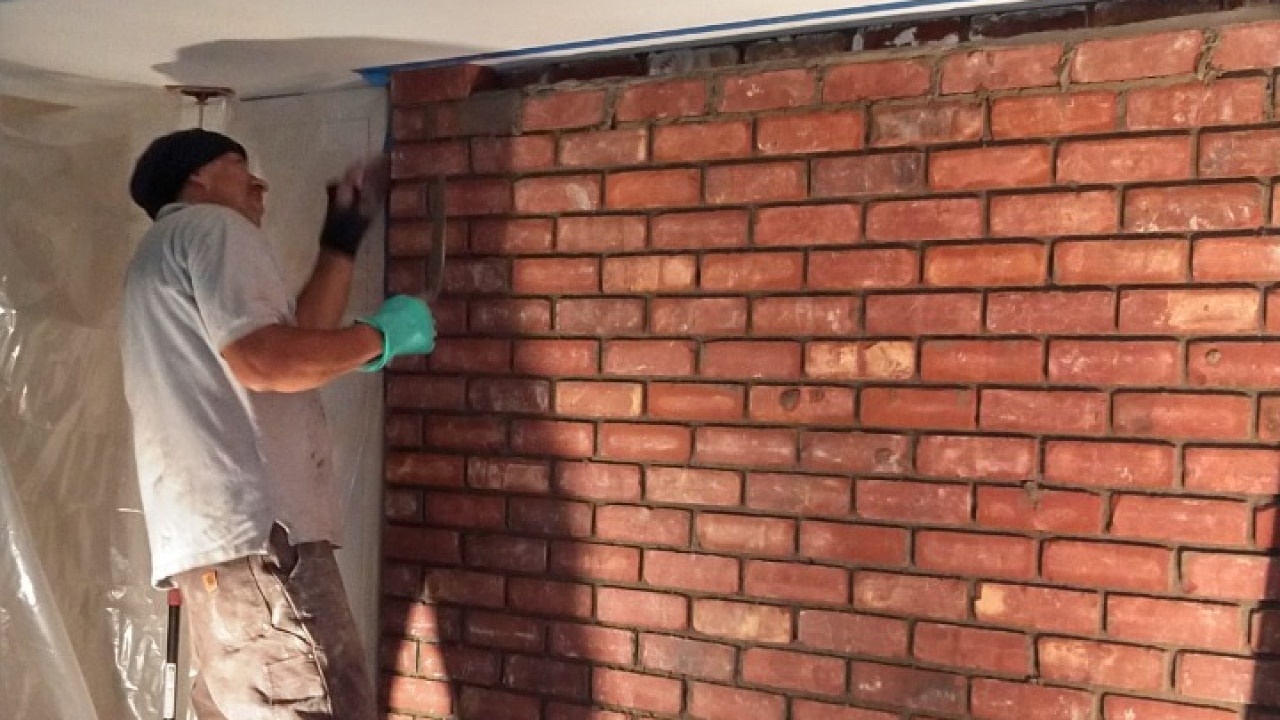
No, we do not recommend you apply a waterproof sealant. A waterproof sealant is a special coating that is sometimes applied to the outside of your chimney near the flashing. It is supposed to create an invisible barrier that keeps water out but still lets your chimney “breathe.”
We have found that sealants do not hold up at all to Portland’s winter weather. While it may work in much drier and more temperate climates, Portland’s frequent rain and occasional ice go through sealants quickly. There is nothing more effective than proper flashing installation in the first place.
Repair the Chimney Crown

Keep the chimney crown in good shape. This top layer directs water away from your chimney. Inspect it regularly for cracks and seal minor damage with a chimney-safe waterproofing product. If the crown is severely damaged, consider a professional replacement before it gets worse. A cracked chimney crown allows water into the flue or water to seem down into the brick and mortar. With Portland’s history of overnight freezes a cracked crown can quickly lead to full chimney rebuilds.
By taking these steps and performing regular maintenance, you can protect your chimney from water damage and extend its lifespan.
Is the Mortar Still Strong?

If you have a brick chimney in Oregon, repointing is an important step to keep it watertight and structurally strong, especially in our rainy climate.
Repointing involves renewing the mortar joint between the bricks, which can wear down over time due to constant exposure to rain and freeze-thaw cycles. Deteriorated mortar allows water to seep into the chimney, leading to leaks and possible structural issues.
The process includes removing old, damaged mortar and replacing it with fresh mortar. This not only seals out water but also strengthens the chimney, ensuring it stays stable and secure.
While it may seem like a DIY project, repointing is best left to a professional mason. Experts can match the new mortar to the existing one and apply it properly for a long-lasting seal. They can also identify other issues with your chimney that may need attention.
Regularly inspect your chimney for crumbling mortar or gaps between bricks. Catching problems early allows for timely repairs, preventing more serious and costly damage.
In Oregon’s wet climate, repointing is a smart investment to protect your chimney and extend your home’s lifespan.
Add a Waterproof Membrane

A waterproof membrane offers excellent protection against chimney leaks in our rainy climate. This tough, flexible layer acts as a second skin for your chimney, keeping water out while allowing it to breathe—perfect for handling Oregon’s wet weather.
The installation process starts with thoroughly cleaning the chimney to ensure proper adhesion. Next, a primer coating is applied, helping the membrane stick securely. The membrane is then carefully applied, covering the entire surface without gaps. It’s secured with adhesives or fasteners, and a final inspection ensures there are no weak spots where water could enter.
While more complex than other methods, a waterproof membrane provides long-lasting, comprehensive protection, making it ideal for older chimneys or those with prior leak issues. For best results, hire a professional to handle the installation.
Investing in a waterproof membrane can save you from costly water damage repairs and keep your chimney strong for years to come.
Meet Portland Chimney Inc. – Portland’s Top Fireplace Repair Expert
Portland Chimney has been helping homeowners in Portland with their fireplace and chimney repair needs for decades. Their team of certified professionals addresses a wide range of concerns, from water damage, leaning chimneys, and leaking fireplaces to structural defects, ensuring that chimneys remain safe and efficient sources of fuel for heating homes.
Portland Chimney’s comprehensive services include thorough inspections, cleaning, and repairs, all aimed at maintaining the integrity of chimney systems and protecting property values. They offer their services across Portland, including historic neighborhoods like Irvington and Grant Park.
Their commitment to quality service and customer education has earned them a strong reputation in the local community, reflected in their positive customer reviews. Give them a call today!
Frequently Asked Questions
What are the best materials for chimney flashing?
Copper is the best material for chimney flashing because it lasts for decades and doesn’t rust. Aluminum and galvanized steel are good, budget-friendly options that still protect well. For harsh conditions or acid rain, stainless steel is a durable choice. Pick a material that suits your roof and climate.
How often should I apply sealant to my chimney?
In Oregon’s rainy weather, we do not recommend using waterproof sealant on the flashing. We have found that this causes leaks much more than many other options. Best practice is to check your chimney yearly for leak s, peeling, or water stains. If you notice damage, reapply the sealant sooner. The timing depends on weather exposure and the last application’s quality.
Can a chimney cap prevent all types of leaks?
A chimney cap helps stop rain, debris, and animals from entering your chimney, but it doesn’t prevent all leaks. Issues like damaged flashing or cracks in the masonry can still cause water problems. Combine a chimney cap with proper maintenance for full protection.
What are the signs that my chimney needs waterproofing?
Watch for white stains on the bricks, damp walls or ceilings near the chimney, crumbling mortar, or visible cracks. Musty smells or water dripping inside the fireplace are also signs your chimney needs waterproofing .
How does a subsoil waterproofing membrane work?
Subsoil membranes are used for underground waterproofing, like in basements, not chimneys. For chimneys, focus on above-ground methods like flashing, sealants, and regular maintenance to keep water out.
What are some areas in Portland where you are currently working?
We handle projects across Oregon. Currently, we’re working in Parklane Park, near SE Stark St and SE 151st Ave.
Our upcoming projects are in Lents, close to Bloomington Park near SE 104th Ave and SE Mitchell St. That said, we conduct chimney inspections and repairs for homeowners all over Oregon and the nearby areas.
