
Dryer Vent Cleaning in Portland, Oregon
Your dryer runs constantly. Every cycle pushes lint through a duct that can extend 8 to 35 feet to the outside of your home.
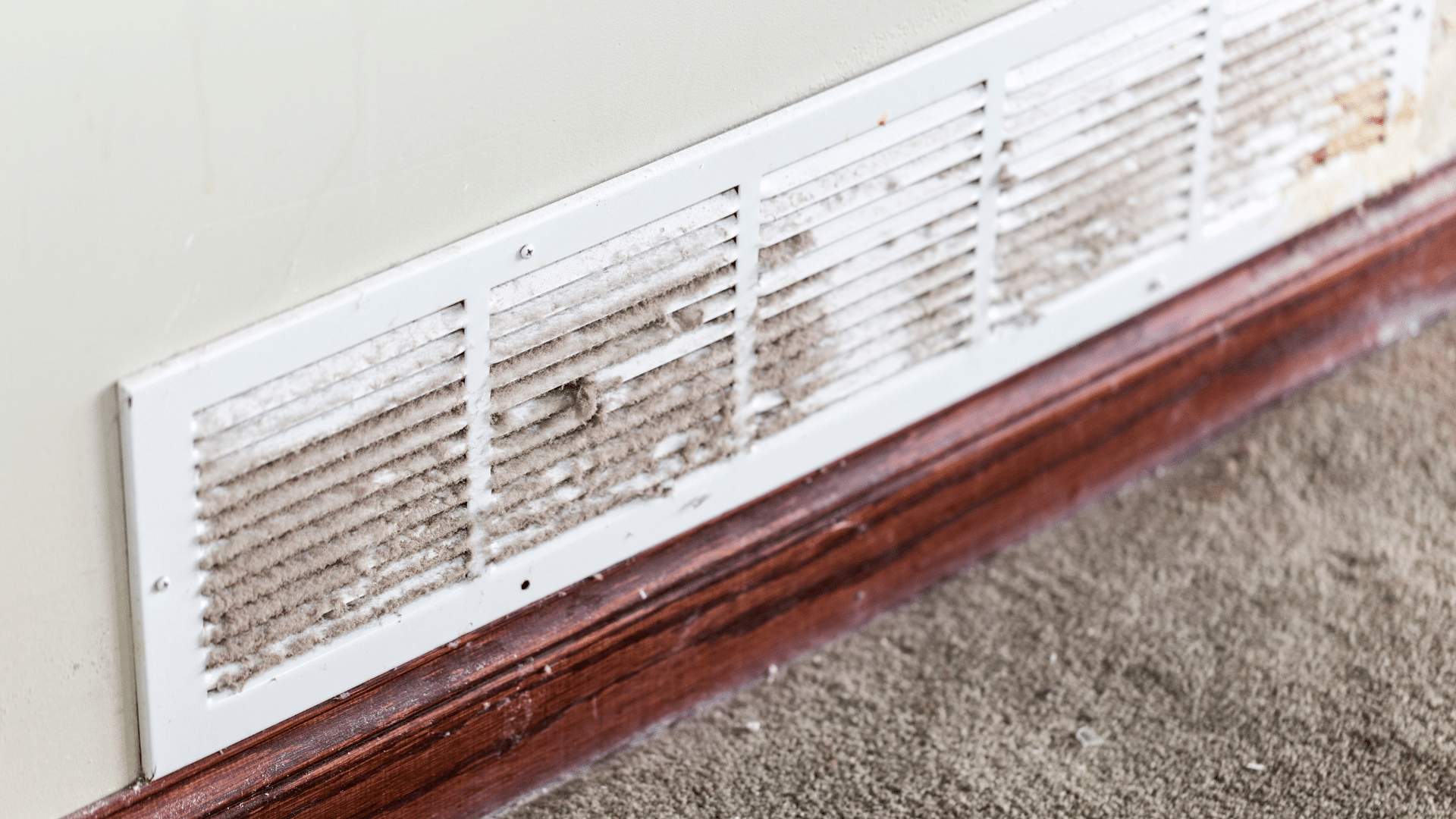
In many Portland homes, that duct runs through walls, across floors, and around multiple bends. Each turn slows airflow. Each slowdown allows lint to accumulate along the duct walls.
The National Fire Protection Association reports approximately 2,900 dryer fires per year in the United States, with lint buildup as the leading cause. Professional dryer vent cleaning removes that buildup before it becomes a fire risk and verifies whether your system meets current Oregon Mechanical Specialty Code requirements, which many older installations do not meet.
Portland Chimney & Masonry provides annual dryer vent cleaning throughout the metro. Our OCSA-certified team applies the same safety standards used in chimney inspections to your dryer vent system.
What our dryer vent cleaning service includes:
✓ Full duct inspection from dryer connection to exterior termination
✓ Rotary brush cleaning of the entire duct run
✓ Lint removal from bends, elbows, and the termination cap
✓ Transition duct material check for code complianc
✓ Exterior cap inspection for Oregon code complianc
✓ Written report with photo documentation
Request a free estimate: (503) 256-9140
Portland Dryer Vent Code Requirements
Oregon and the City of Portland enforce specific requirements for dryer vent installation and termination. Portland Permitting & Development (PP&D) outlines these under Building Official Determination 19-08.
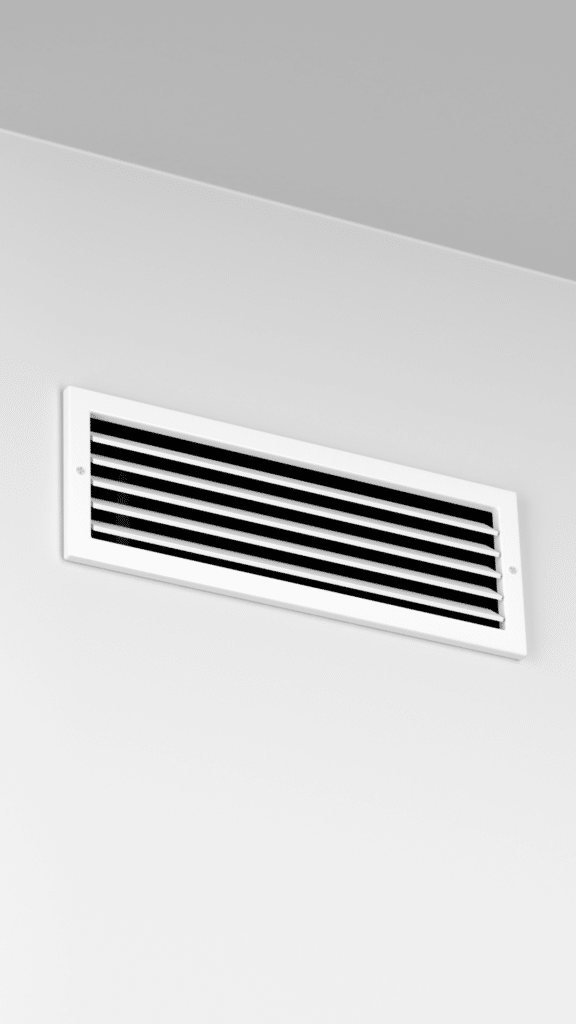
Screens are prohibited
The Oregon Mechanical Specialty Code (OMSC) Section 504 prohibits screens at dryer vent terminations. Screens trap lint and restrict airflow, creating exactly the hazard the code is designed to prevent. However, louvers are allowed at the appropriate measurement and placement.
Backdraft dampers are required
Every exterior termination must include a functioning backdraft damper to prevent outside air from entering the duct when the dryer is not in use.
Duct run length limits apply
Per IRC M1502.4.6, a standard 4-inch duct run cannot exceed 35 feet. Each 90-degree elbow reduces that limit by 5 feet, and each 45-degree elbow by 2.5 feet. Many Portland homes, particularly with interior laundry rooms or upper-floor installations, approach or exceed this limit without homeowners realizing it.
Flexible vinyl or foil duct is not permitted
The transition duct must be rigid or semi-rigid metal. Vinyl or foil flex ducts kink easily, trap lint, and pose a fire risk. These are still common in older Portland homes and should be replaced. PP&D recommends annual dryer vent cleaning, as outlined in BOD 19-08.
How We Clean Dryer Vents in Portland
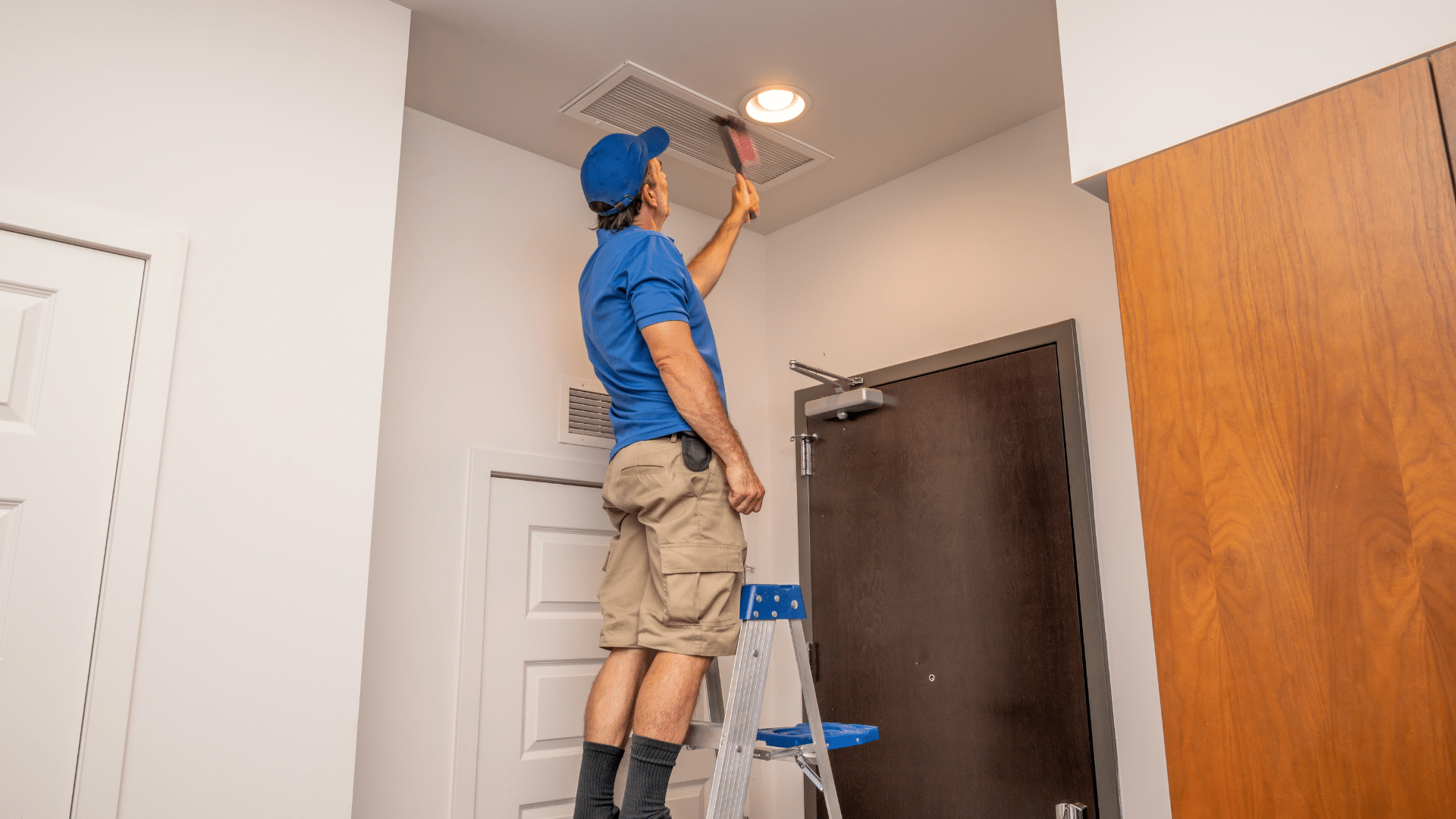
- Inspection We begin with a visual inspection of the exterior cap and accessible duct sections. We identify the termination type, check for lint buildup, and measure accessible duct length to assess compliance.
- Dryer vent lint removal We clean from the exterior inward using a rotary brush system that scrubs the full duct length. A HEPA-rated vacuum captures debris to prevent contamination inside the home.
- Transition duct check We inspect the connector behind the dryer for material type, kinks, and secure connections. Non-compliant materials are documented with replacement recommendations.
- Termination cap assessment We verify compliance with BOD 19-08: no screens, proper damper function, and appropriate clearance from nearby structures or vents.
- Findings report You receive a written report outlining what was cleaned, what we found, and any code-related concerns. You leave with documentation, not just a service.
Older Home Dryer Vent Risks in the Portland Metro
Portland’s housing stock presents challenges that are less common in newer construction.
Many homes built before 1950, especially in neighborhoods like Irvington, Laurelhurst, Sellwood, Woodstock, and Eastmoreland, were not originally designed with modern laundry systems in mind. Laundry rooms were often added later, typically in interior locations.
This results in longer duct runs with more turns than the current code anticipates.
Upper-floor laundry adds another layer of complexity. Vertical runs count toward total allowable length, meaning a system can meet code on paper but operate at the edge of its limits. Even minor lint buildup can push it into restricted airflow.
In many pre-1970 homes, the dryer vent is the least-maintained duct system in the house. It should be one of the most regularly serviced.
Why Portland Chimney & Masonry
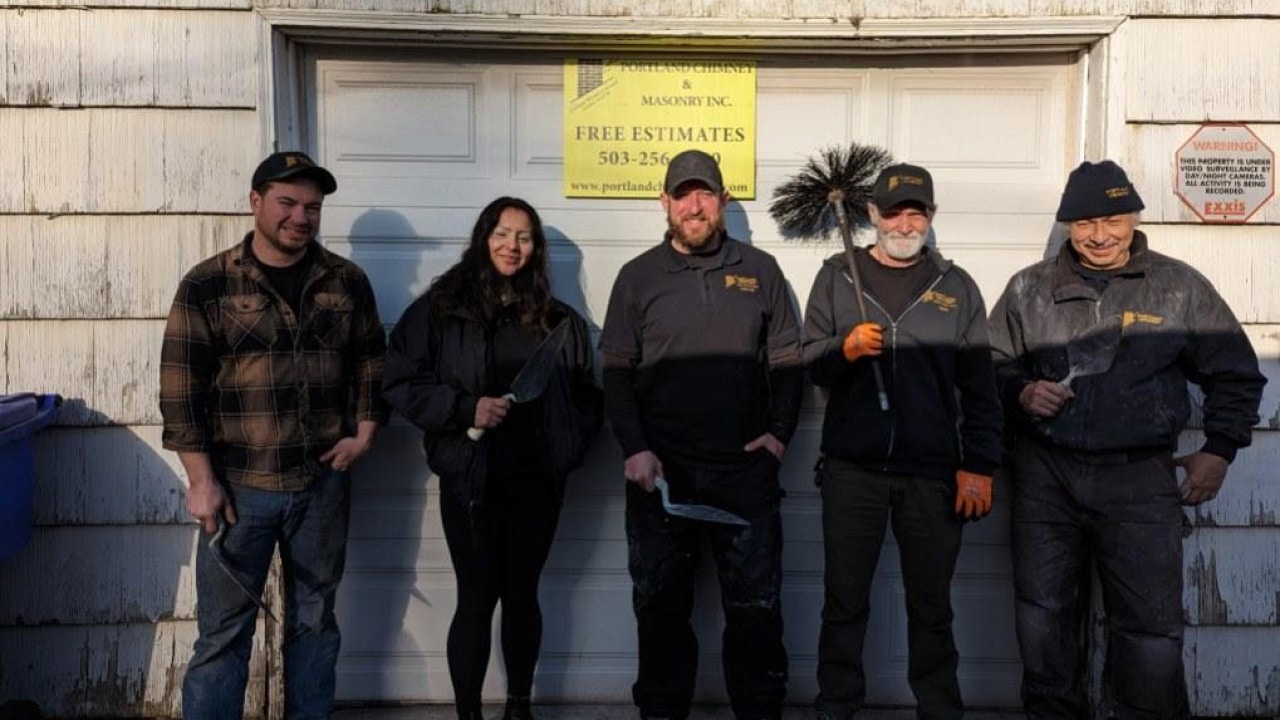
Portland Chimney & Masonry has served the Portland metro for over 35 years, delivering safety-focused service backed by proven experience. Our Oregon Chimney Sweep Association (OCSA) certified technicians, including Earl and Angelica, bring the same standards used in professional chimney inspections to every dryer vent system we clean.
We are EPA Lead-Safe certified, fully licensed and bonded under CCB #49750, and maintain a strong local reputation with a 4.6-star rating across 64 Google reviews. Based at our Portland office on NE Glisan Street, we provide reliable, code-aware service homeowners trust for both dryer vent cleaning and chimney care.
We also provide chimney cleaning and inspection services. Many homeowners schedule both in the fall before heating season begins, allowing for one visit and a complete review of the home’s ventilation systems.
Schedule Your Dryer Vent Cleaning
Annual dryer vent cleaning is one of the most effective ways to prevent a dryer fire and maintain efficient operation.
In the Pacific Northwest, fall and winter bring heavier laundry use, longer drying times, and the start of heating season. This is the right time to ensure your system is clear and functioning properly.
Call (503) 256-9140 or request a free estimate below.
Request a free estimate
Areas We Serve
Portland Chimney & Masonry provides dryer vent cleaning across Portland, OR and the surrounding metro. Our team works throughout the city and nearby communities, with experience in both older homes and newer construction.
Portland Neighborhoods: Irvington, Laurelhurst, Sellwood, Woodstock, Eastmoreland, Hawthorne, Division, Buckman, Lloyd, Kerns, Mississippi, Overlook, St. Johns, Boise, Eliot, Rose City Park, Hollywood, Alameda, Grant Park, Beaumont-Wilshire, Sunnyside, Richmond, Montavilla, Cully, Concordia, Woodlawn, Lents, Foster-Powell, Arbor Lodge, Humboldt
Metro Cities: Lake Oswego, Beaverton, Gresham, Milwaukie, Tigard, Tualatin, Hillsboro, West Linn, Oregon City, Clackamas, Troutdale, Fairview, Gladstone, Happy Valley
Frequently Asked Questions
How often should dryer vents be cleaned in Portland?
Portland Permitting & Development recommends cleaning exterior dryer vents at least once annually. Households that run four or more loads per week, or that have pets in the home, may benefit from cleaning every six months.
What are the warning signs of a clogged dryer vent?
The most common signs are a significantly longer drying time, the exterior of the dryer feeling hot, the laundry room feeling warm or humid during a cycle, and clothes coming out with a musty smell. Visible lint around the dryer or around the exterior cap is also a sign the duct is congested.
Is a clogged dryer vent actually dangerous?
Yes. Lint is combustible. The National Fire Protection Association documents approximately 2,900 dryer fires per year in the United States (NFPA: NfpaHome fires involving clothes dryers and washing machines | NFPA Research), with lint accumulation as the leading cause. A clogged vent also creates a carbon monoxide risk for gas dryers if exhaust backs up into the living space.
Do you check whether our dryer vent meets the Portland code?
Yes. Part of every dryer vent cleaning is an assessment of the exterior cap and duct material for compliance with local requirements under BOD 19-08 (Portlandportland.gov/ppd/building-official-determinations/bod-19-08-dryer-vent-screening) and the Oregon Mechanical Specialty Code. Screened caps, vinyl flex duct, and excessive run lengths are common issues in older homes across the city that we identify and document.
Can you clean the dryer vent at the same time as the chimney?
Yes, and we recommend it. Many homeowners in the area schedule chimney sweeping and dryer vent cleaning together in the fall. It is a single service visit, and both systems need annual attention before the heating season begins. Contact us to bundle both services.
How long does a dryer vent cleaning take?
Most residential dryer vent cleanings take between 45 minutes and 90 minutes, depending on duct length, number of bends, and access to the exterior termination. Longer runs or installations with non-standard termination caps may take a bit more time.