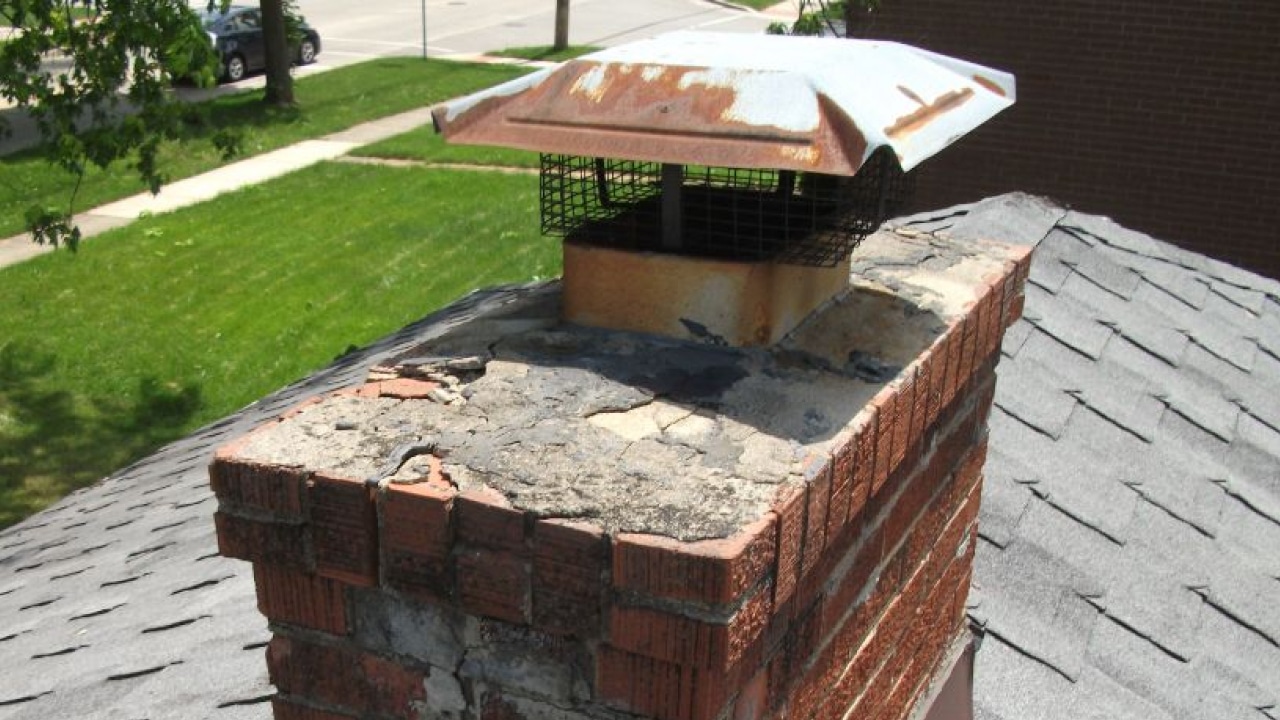
Cracked Chimney Crown Repair in Argay Terrace OR
Your chimney crown serves as the first line of defense against Portland’s relentless winter rains and freeze-thaw cycles. When this critical concrete cap begins to crack or deteriorate, it opens the door to extensive water damage that can compromise your entire chimney system. Understanding the signs of crown failure and acting quickly can save you thousands in repair costs. Learn more about local chimney repair options in Argay Terrace.
What is a Chimney Crown and Why Does it Matter?

The chimney crown is the concrete slab that sits at the top of your chimney, designed to shed water away from the chimney structure. Think of it as an umbrella for your chimney – when it’s intact, it directs water runoff safely away from vulnerable masonry joints and the chimney interior. When compromised, it becomes a funnel that channels water directly into your chimney system.
A properly constructed crown should extend beyond the chimney walls with a slight slope to encourage water drainage. It should also include a drip edge to prevent water from running back toward the chimney structure. Unfortunately, many older crowns were built without these essential features, making them particularly vulnerable to Portland’s wet climate.
Common Signs of Crown Deterioration
Visible Exterior Cracks
The most obvious sign of crown problems is visible cracking on the concrete surface. These cracks may start small – hairline fractures that seem insignificant – but Portland’s freeze-thaw cycles cause them to expand rapidly. Water enters these small cracks, freezes during cold snaps, and creates larger fissures with each cycle.
Look for both surface cracks and deeper structural cracks that extend through the entire crown thickness. Surface cracks may appear as spider web patterns across the crown, while structural cracks often run in straight lines and may be accompanied by pieces of concrete breaking away.
Interior Water Signs
Crown failure often manifests inside your home before exterior damage becomes obvious. Watch for water stains on walls near your fireplace, rust on the damper or firebox components, or white mineral deposits (efflorescence) on interior chimney walls. These signs indicate water is penetrating through crown cracks and entering your chimney system.
Concrete Spalling and Deterioration
In advanced cases, pieces of the crown may begin breaking away entirely. This spalling occurs when water penetration and freeze-thaw cycles cause the concrete to lose structural integrity. You may find chunks of concrete on your roof or in gutters after storms. If you’re seeing signs of this type of damage, be sure to check out our chimney brick spalling repair services for Argay Terrace homeowners to learn what solutions may be needed beyond the crown.
Why Chimney Crowns Fail in Portland

Climate Challenges
Portland’s unique climate creates perfect conditions for crown deterioration. Unlike areas with consistent winter freezing, our region experiences repeated freeze-thaw cycles that are particularly destructive to concrete structures. Each freeze-thaw event causes microscopic expansion and contraction that gradually weakens the crown material.
The Pacific Northwest’s high humidity levels mean concrete stays saturated longer, giving freeze-thaw cycles more opportunity to cause damage. Additionally, our lengthy rainy seasons mean crowns rarely get a chance to fully dry out, leading to accelerated deterioration.
Poor Initial Construction
Many chimney crowns in older neighborhoods were built using inferior materials or techniques that don’t hold up to modern standards. Common construction flaws include:
- Inadequate thickness – Crowns less than 3 inches thick lack structural strength
- Poor concrete mix – Low-quality concrete without proper additives fails quickly
- Missing reinforcement – Crowns without wire mesh or rebar crack easily
- Improper slope – Flat or improperly sloped crowns allow water pooling
- No drip edge – Without this feature, water runs back toward the chimney
Age and Normal Wear
Even well-built crowns eventually succumb to decades of weather exposure. Concrete naturally develops small cracks over time, and these provide entry points for water that accelerates the deterioration process. Most chimney crowns require replacement or major repair after 15-25 years, depending on construction quality and weather exposure.
The Hidden Dangers of Crown Damage
Progressive Water Infiltration
A cracked crown doesn’t just allow water to drip into your fireplace – it can cause extensive hidden damage throughout your chimney system. Water entering through crown cracks saturates the chimney structure from top to bottom, leading to:
- Mortar joint deterioration throughout the chimney height
- Interior brick damage from freeze-thaw cycles within the chimney walls
- Damper and flue liner damage from constant moisture exposure
- Foundation problems as water travels down and saturates the chimney base
Structural Compromise
Severe crown damage can lead to actual structural failure of the chimney top. When water repeatedly freezes within crown cracks, it can cause entire sections to break away, potentially damaging your roof or creating dangerous falling debris.
Expensive Secondary Damage
What starts as a relatively inexpensive crown repair can quickly escalate into major reconstruction if left unaddressed. Water damage from a failed crown often requires:
- Complete chimney rebuilds from the roofline up
- Interior wall repairs from water infiltration
- Roof repairs from structural damage
- Flue liner replacement from water damage
Professional Crown Repair Solutions
Assessment and Diagnosis
Professional chimney contractors begin with thorough inspection to determine the extent of crown damage and identify underlying causes. This assessment includes checking for proper drainage, examining the crown’s structural integrity, and identifying any related chimney problems that contributed to the failure.
Repair vs. Replacement Decisions
Minor surface cracks may be repairable using specialized crown repair compounds designed for masonry applications. However, extensive cracking, spalling, or structural damage typically requires complete crown replacement to ensure long-term protection.
Modern Crown Construction
Today’s crown replacement incorporates lessons learned from decades of Portland weather exposure. Professional installations include:
- Reinforced concrete mix specifically designed for freeze-thaw resistance
- Proper thickness (minimum 3 inches) for structural integrity
- Correct slope and drip edge for optimal water shedding
- Expansion joints to accommodate thermal movement
- Quality sealants at critical junctions
Crown Repair Solutions for Argay Terrace Homeowners

Material Selection
Professional crown repair uses high-grade concrete mixes with additives specifically designed for Pacific Northwest weather conditions. These materials resist freeze-thaw damage and provide decades of reliable protection.
Proper Installation Techniques
Experienced masons understand the critical details that make crown repairs last. This includes proper surface preparation, correct concrete mixing and curing procedures, and attention to drainage details that prevent future problems.
Code Compliance
Professional crown repairs meet current building codes and industry standards, ensuring your repair will provide maximum protection and won’t create issues during home sales or inspections.
Prevention and Maintenance
Annual Inspections
Regular professional inspections can catch crown problems early when repairs are simpler and less expensive. Schedule annual chimney inspections that include careful crown examination.
Proper Drainage
Ensure gutters and downspouts direct water away from your chimney base. Poor drainage around the chimney can contribute to crown problems by creating excessive moisture exposure.
Prompt Repairs
Address minor crown cracks immediately before Portland’s weather turns them into major problems. Small repairs are always more cost-effective than emergency reconstruction.
Frequently Asked Questions About Chimney Crown Repair
How do I know if my chimney crown needs repair?
Look for visible cracks in the concrete crown, water stains inside your home near the fireplace, rust on fireplace components, or pieces of concrete found on your roof or in gutters. Any of these signs indicate crown problems that require professional assessment.
Can I repair a cracked chimney crown myself?
While minor surface cracks might seem like simple DIY projects, crown repairs require specialized materials, proper safety equipment for roof work, and understanding of drainage principles. Improper repairs often make problems worse and can create safety hazards.
How much does chimney crown repair cost?
Repair costs vary based on damage extent and access difficulty. Minor crack repairs might cost a few hundred dollars, while complete crown replacement typically ranges from $1,000 to $3,000. The key is addressing problems early before they require extensive work.
How long does a properly repaired crown last?
A professionally repaired or replaced crown using quality materials should last 20-30 years in Portland’s climate. Proper construction techniques and regular maintenance can extend this lifespan significantly.
What happens if I ignore crown damage?
Ignoring crown problems leads to progressive water damage throughout your chimney system. What starts as a minor repair can quickly become a major reconstruction project costing thousands more than early intervention.
When is the best time to repair a chimney crown?
Crown repairs should be done immediately upon discovery, regardless of season. However, extensive reconstruction work is best scheduled during dry weather periods for optimal concrete curing conditions.
Will crown repair prevent all chimney water problems?
While crown repair is essential, it’s just one part of comprehensive chimney waterproofing. Professional assessment may identify additional areas needing attention, such as flashing, mortar joints, or chimney caps.
How can I prevent future crown problems?
Regular professional inspections, prompt repair of minor issues, proper drainage around the chimney base, and quality materials during repairs all help prevent future crown problems.
Does homeowner’s insurance cover crown repair?
Coverage depends on the cause of damage and your specific policy. Sudden damage from storms may be covered, while gradual deterioration from normal wear typically isn’t. Document damage with photos and consult your insurance provider.
What’s the difference between crown repair and crown coating?
Crown repair addresses structural damage like cracks and spalling, while crown coating provides protective sealant over intact crowns. Severely damaged crowns need repair or replacement before any coating application.
Professional Cracked Chimney Crown Repair in Argay Terrace
Don’t let a damaged chimney crown compromise your home’s safety and value. Professional crown repair protects your investment and prevents costly water damage throughout your chimney system.
Contact Portland Chimney & Masonry Inc at (503) 256-9140 for your free estimate on chimney crown repair and comprehensive chimney assessment.
Portland Chimney & Masonry Inc has been providing expert chimney crown repair and complete chimney services throughout the Portland Metro area for over 40 years. Our certified professionals use quality materials and proven techniques to ensure lasting protection against Pacific Northwest weather. Oregon CCB #49750, Washington #PORTLCI005PZ.
