
Portland Chimney Maintenance Guide: What Every Homeowner Needs to Know
Living in the Pacific Northwest means your chimney deals with more than smoke. Long wet seasons, cool-burning fires, and older masonry construction all accelerate chimney deterioration in ways that many homeowners do not notice until the damage becomes costly.
Many homes throughout Sellwood, Laurelhurst, Irvington, Grant Park, and surrounding neighborhoods were built before modern flue liner requirements existed. Some still operate with deteriorated clay liners or no liner at all.
This guide explains what chimney maintenance entails, how often inspections should occur, what creosote buildup looks like, and how local burn restrictions affect fireplace use during the heating season.
Why Annual Chimney Maintenance Matters
Most homeowners associate chimney cleaning with fire prevention — and that concern is legitimate. Creosote is combustible, and once the buildup reaches roughly 1/8 inch, the risk of a chimney fire increases significantly.
But moisture is just as destructive.
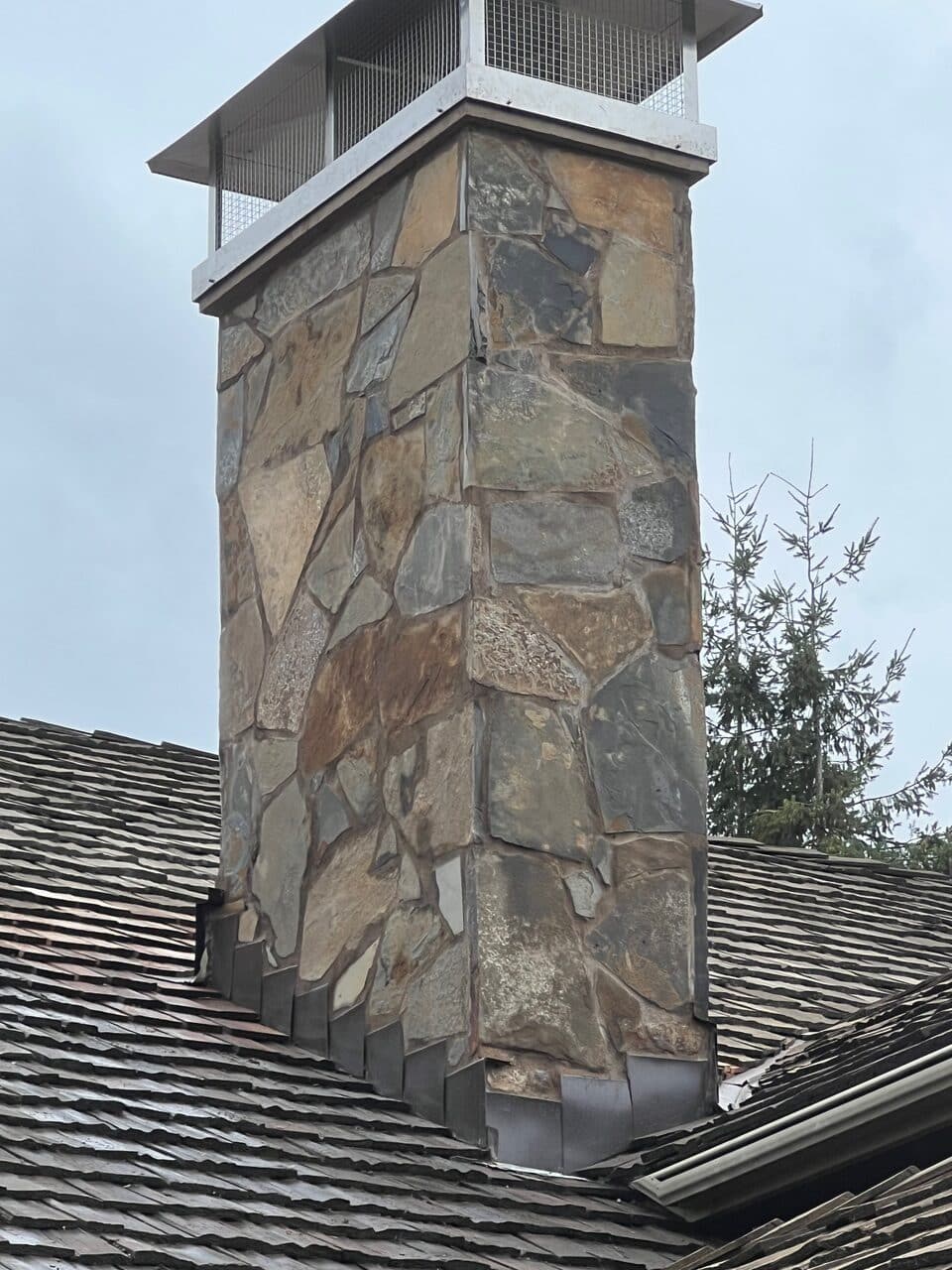
Heavy rainfall, prolonged damp conditions, and freeze-thaw cycling slowly break down masonry chimneys from the outside in. Water enters through cracked crowns, deteriorated mortar joints, and damaged flashing, then expands as temperatures fluctuate.
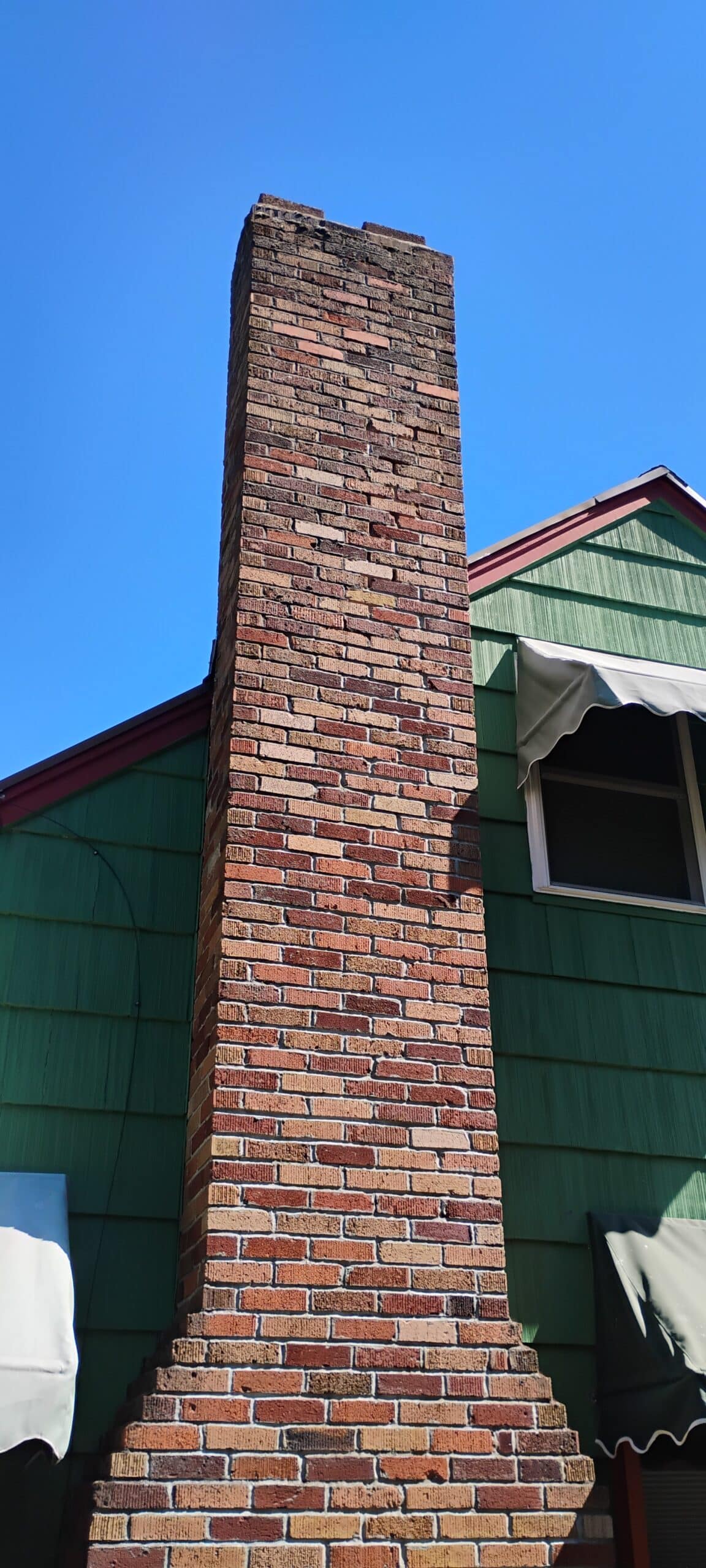
White staining on exterior brickwork, called efflorescence, is often the first visible sign that moisture is moving through the masonry system.
Annual maintenance helps catch these issues before they become major structural repairs involving crown replacement, liner installation, or partial rebuild work.
NFPA 211, the national standard governing chimney safety, recommends chimney inspections at least once a year.

Understanding Chimney Inspection Levels
NFPA 211 defines three chimney inspection levels.
Level 1 Inspection
A Level 1 inspection is the annual baseline inspection for a chimney system with no known performance problems or recent changes. The inspection covers accessible portions of:
- The firebox
- Damper area
- Chimney exterior
- Appliance connection
- Visible flue surfaces
Most Level 1 inspections take 30–60 minutes for a standard single-flue system.
Level 2 Inspection
A Level 2 inspection includes everything in a Level 1 plus a full internal camera scan of the flue. This level is required when:
- Buying or selling a home
- Replacing an appliance
- Changing fuel types
- After a chimney fire
- After an earthquake or structural event
The camera inspection documents liner joints, cracked tiles, missing mortar, offsets, and hidden deterioration that cannot be seen from the firebox opening. We provide video documentation with every Level 2 inspection.
Level 3 Inspection
Level 3 inspections are uncommon and involve opening concealed areas when serious structural concerns cannot be evaluated otherwise. For additional detail, see our Chimney Inspection Levels Explained guide.
Creosote Removal in the Pacific Northwest Climate
Creosote forms when wood smoke cools before fully exiting the chimney. Cooler fires, damp wood, and restricted airflow accelerate the accumulation of moisture, conditions common throughout the region during long rainy seasons.
Creosote generally progresses through three stages:
Stage 1 Creosote
A flaky or powdery soot removable with standard chimney brushes.
Stage 2 Creosote
A denser, tar-like buildup requiring rotary cleaning equipment.
Stage 3 Creosote
A hardened glazed coating associated with severe fire risk and difficult removal conditions. Homes burning softwoods like Douglas fir and pine often accumulate creosote faster than homes burning properly seasoned hardwood.
Professional chimney sweeping removes:
✓ Creosote deposits
✓ Smoke shelf debris
✓ Firebox ash
✓ Soot accumulation inside the smoke chamber
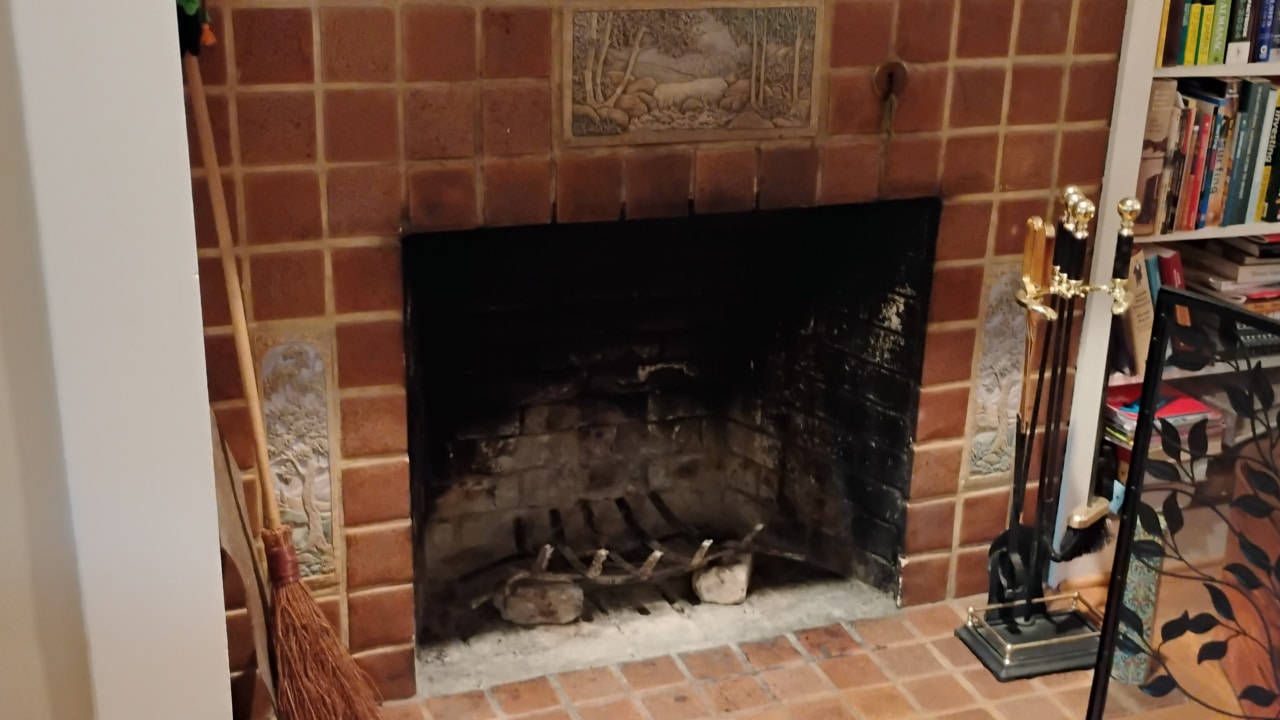
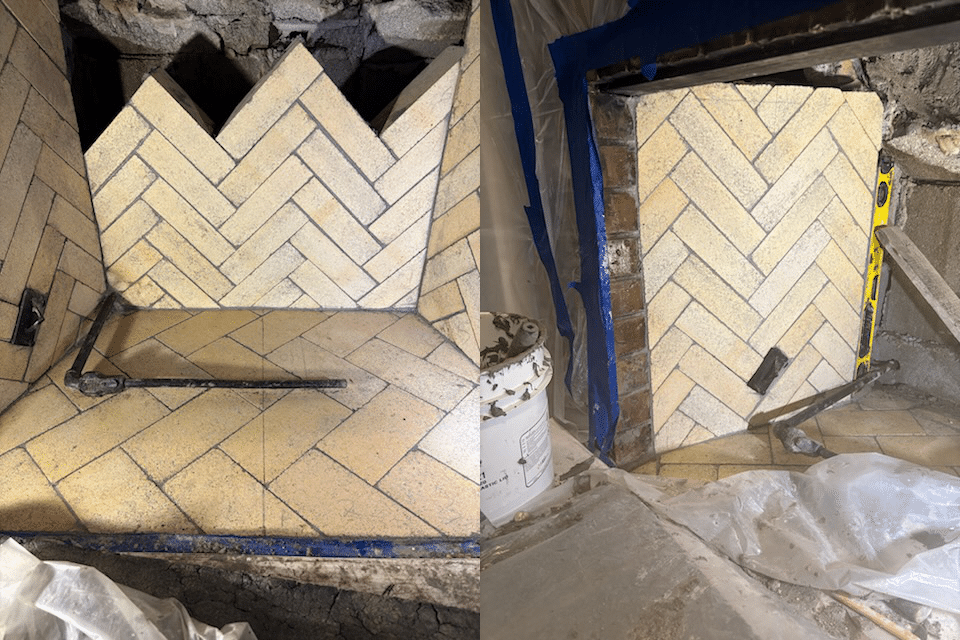
In older masonry chimneys, creosote often accumulates heavily along uneven corbeled smoke chamber surfaces where standard homeowner tools cannot safely reach.

What a Professional Chimney Sweep Actually Does
Professional chimney sweeping involves much more than brushing soot out of the flue.
A certified sweep arrives with HEPA-rated vacuum systems, protective drop cloths, flue-specific brush sizing, rotary cleaning equipment when necessary, and inspection tools for visible safety concerns.
After cleaning, the chimney is inspected for developing problems such as firebox cracking, crown deterioration, water intrusion, damaged chimney caps, mortar joint failure, and drafting issues.
Older homes throughout the metro area often contain unreinforced masonry chimneys with aging mortar systems, making regular inspection especially important.
Chimney Maintenance Tasks Homeowners Can Handle
Between professional inspections, homeowners can safely monitor several visible areas.
Recommended Homeowner Maintenance
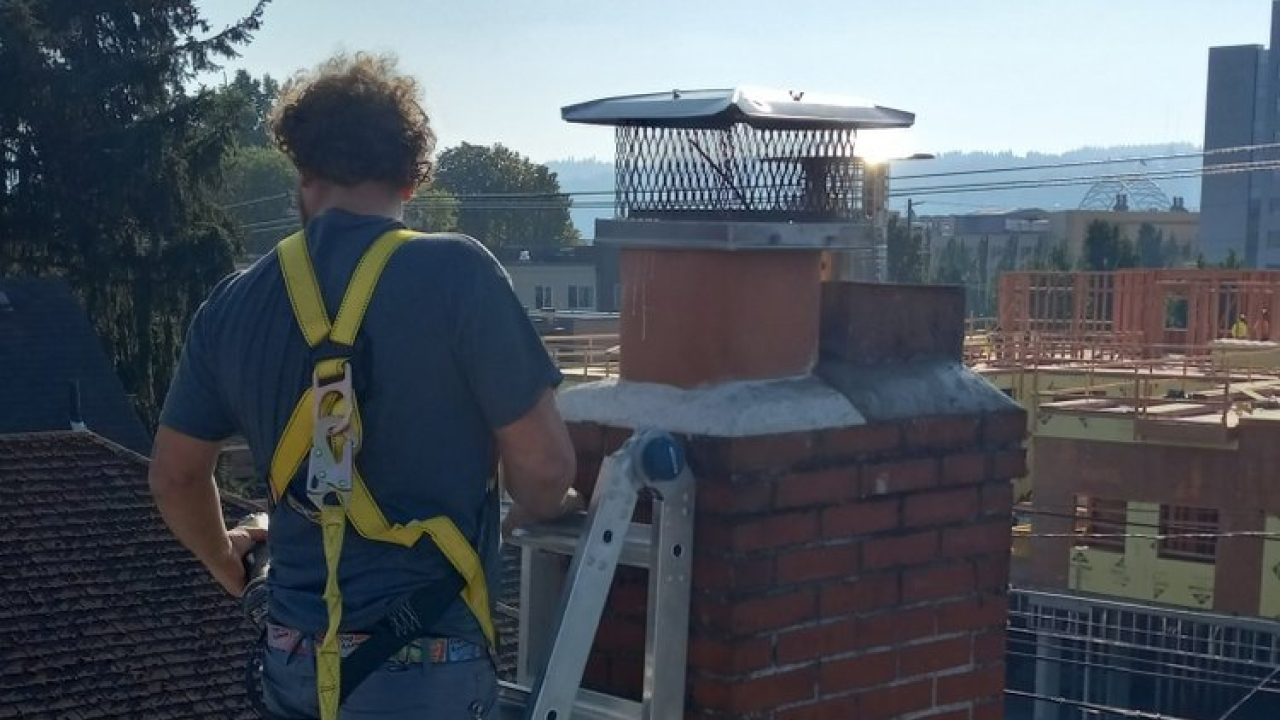
Homeowners can safely monitor several visible areas between professional visits. Check the chimney cap each fall for visible rust or damage, inspect the firebox for cracked firebrick or loose mortar, and look up the flue with a flashlight before the first fire of the season. Burning properly seasoned wood and monitoring the chimney crown after winter weather also help reduce long-term deterioration.
Repairs That Require a Professional
Chimney sweeping, crown repair, flashing repair, liner installation, structural masonry work, and tuckpointing should always be handled by a qualified chimney professional.
Burn Restrictions and Fireplace Use
Multnomah County operates seasonal wood smoke restrictions between October 1 and March 1.
During periods of poor air quality, mandatory burn restrictions prohibit most residential wood burning. These restrictions apply to fireplaces, inserts, wood stoves, and outdoor fire features.
Households that use wood as a primary heat source may qualify for exemptions based on income and heating circumstances. The practical takeaway for homeowners is simple: schedule chimney maintenance before peak burning season begins.
Late summer and early fall are typically the best times to schedule inspections and cleaning before colder weather and higher service demand arrive.

Recommended Annual Chimney Maintenance Schedule
A seasonal maintenance schedule helps homeowners stay ahead of creosote buildup, water intrusion, and masonry deterioration before these issues require structural repairs or emergency service calls.
August–September
✓ Schedule chimney sweeping
✓ Complete annual Level 1 inspection
✓ Address repairs before heating season
October–March
✓ Monitor burn restriction announcements
✓ Burn only seasoned wood
✓ Watch for smoke drafting issues or unusual odors
April–May
✓ Schedule masonry repairs before contractor demand peaks
✓ Inspect the crown and flashing after winter weather
Keeping Your Chimney Ready for Burning Season
Wet winters, aging masonry, and seasonal burn restrictions make regular chimney maintenance especially important for homeowners throughout the metro area. Annual inspections and professional sweeping help identify moisture intrusion, liner deterioration, and creosote buildup before those conditions become major repairs.
Portland Chimney & Masonry has served homeowners throughout the region for more than 40 years. The company provides Level 1, Level 2, and Level 3 inspections, chimney sweeping, video scan documentation, and masonry repair services for older homes throughout the area.
To schedule a sweep or inspection, call (503) 256-9140 or request a free estimate at our contact page.
Chimney Maintenance FAQ
How often should a chimney be cleaned?
NFPA 211 recommends annual inspections, and wood-burning systems should generally be cleaned once per year or after burning one cord of wood.
What are the signs a chimney needs immediate service?
Stop using the fireplace and schedule service if you notice:
- Smoke entering the home
- Strong creosote odors
- Falling tile pieces in the firebox
- Visible exterior cracking
- Water stains near the chimney
These are symptoms of active problems like a blocked or damaged flue, Stage 3 creosote accumulation, cracked liner tiles, or structural deterioration. None of these are wait-and-see situations. Carbon monoxide from a cracked liner has no smell and no warning.
What is the difference between Level 1 and Level 2 inspections?
A Level 1 inspection is a visual inspection of accessible components. A Level 2 inspection adds a full internal camera scan and is required during real estate transactions and system changes.
Why does moisture damage chimneys so quickly?
Water enters masonry through cracks in crowns, mortar joints, and flashing. Once absorbed, repeated wet-dry and freeze-thaw cycles accelerate deterioration from within the chimney structure.