8 Seasonal Tips for Effective Fireplace Maintenance
Is your fireplace ready to last all of winter? Regular maintenance is crucial to keep your fireplace safe and efficient. This guide offers eight essential tips for effective fireplace upkeep, focusing on cleaning, safety checks, and potential upgrades.
By following these steps, you’ll ensure your fireplace provides reliable heat while preventing issues like leaks and water damage that can strain your budget. Learn how to maintain your fireplace properly and when to call in professionals for expert chimney maintenance, including a chimney sweep.
8 Seasonal Fireplace Upkeep Advice
1. Clean Your Stove or Fireplace
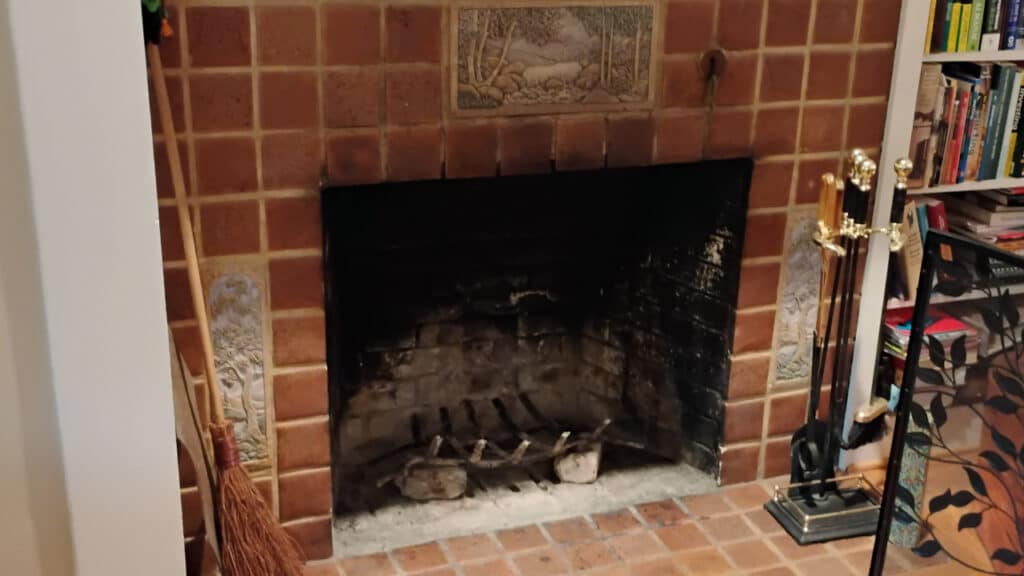
Regular cleaning of a wood stove or fireplace is essential for optimal performance and safety. Removing ash, soot, and debris from the firebox prevents buildup that can affect efficiency and air quality. This process also allows for inspection of the fireplace structure and chimney.
For wood-burning fireplaces, sweep out cold ashes after waiting at least 24 hours for them to cool completely. Leave approximately one inch of ash in wood-burning fireplaces for insulation. Scrub the interior with a wire brush. For deep cleaning, use a mixture of 1 cup bleach, 6 tablespoons trisodium phosphate (TSP), and 1 gallon of warm water.
Clean the fireplace mantel and surrounding area to remove any accumulated dust or soot. Inspect the paint on metal components for signs of wear or heat damage. Professional chimney cleaning services are recommended annually to ensure the thorough removal of creosote and other deposits. The Chimney Safety Institute of America specifically recommends cleaning when creosote buildup reaches 1/8 inch thickness. Creosote is highly flammable and can burn at temperatures over 2,000°F.
This maintenance not only improves the fireplace’s function but also reduces the risk of chimney fires. Regular cleaning and inspection help preserve the fireplace’s integrity and extend its lifespan.
2. Check the Chimney

Regular chimney inspections are crucial for maintaining a safe and efficient fireplace. The National Fire Protection Association (NFPA) recommends annual checks for both modern homes and historic structures like log cabins. These inspections can identify potential issues before they become serious problems.
There are three levels of chimney inspections, with Level 1 being the most basic annual inspection and Levels 2 and 3 required for specific situations. Chimney checks should include a thorough examination of the flue lining, masonry, and cap.
Inspectors look for signs of damage, such as cracks or deterioration, which could compromise the chimney’s integrity. Professional inspections are crucial as they can identify issues when as little as 25% of organ function is affected, rather than waiting until 75% is lost. They also assess the chimney’s ability to vent properly, ensuring that smoke and gases are effectively directed away from living spaces and ventilation.
Homeowners should be aware of warning signs that indicate chimney problems. These may include:
| Warning Sign | Potential Issue |
|---|---|
| Dampness or mildew in the fireplace | Water infiltration |
| White staining on exterior bricks | Efflorescence due to moisture |
| Crumbling mortar or bricks | Structural damage |
| Smoky odors in the home | Improper venting |
3. Replace Worn-Out Parts

Regular inspection of fireplace components is crucial for maintaining safety and efficiency. Homeowners in Oregon should check for worn-out parts such as dampers, grates, and fireplace doors that may need replacement.
Proper ventilation is essential for a well-functioning fireplace. Inspect the chimney cap and flue liner for signs of damage or deterioration, as these components are vital for safe operation and preventing moisture intrusion. Regular inspection of fireplace components is crucial for maintaining safety and efficiency. Homeowners in Oregon should check for worn-out parts such as dampers, grates, and fireplace doors that may need replacement.
Proper ventilation is essential for a well-functioning fireplace. Inspect the chimney cap and flue liner for signs of damage or deterioration, as these components are vital for safe operation and preventing moisture intrusion.
For brick fireplaces, examine the mortar joints and bricks for cracks or spalling. Timely repairs can prevent more extensive damage and maintain the structural integrity of the fireplace. Consider the following checklist for fireplace maintenance:
- Inspect the damper for proper operation
- Check grates for warping or damage
- Examine fireplace doors for seal integrity
- Assess chimney cap and flue liner condition
- Evaluate brick and mortar for signs of wear
- Keep a one-inch layer of ash in wood-burning fireplaces for insulation
4. Get Your Fuel Ready

Proper fuel preparation is essential for optimal fireplace performance and safety. For wood-burning fireplaces, seasoned hardwood should be dried for at least 6-8 months. Store firewood at least 20 feet from the nearest door to prevent creosote infestation.
Before use, inspect firewood for signs of mold or decay, which can affect air quality and the fireplace’s efficiency. Keep wood elevated 4-6 inches off the ground using pallets or a rack, and stack it no higher than 4 feet for safety. Only cover the top third of the woodpile to allow proper airflow and continued seasoning.
For Portland residents, the area’s frequent rainfall makes proper wood storage particularly crucial. Due to the wet climate, creosote can build up more quickly in chimneys, making regular cleaning essential when creosote reaches 1/8 inch thickness. Gas fireplaces, which are becoming increasingly popular in Portland, produce fewer corrosive byproducts and require less maintenance than wood-burning alternatives.
Regular chimney and fireplace inspections are crucial to identify any issues with the fuel-burning process or ventilation system. A well-maintained fireplace not only enhances the home’s design but also ensures safe and effective heating.
5. Test Safety Alarms
Regular testing of safety alarms is crucial for maintaining a secure environment when using a fireplace. Carbon monoxide detectors must be installed centrally located outside of each separate sleeping area and near bedrooms. CO detectors should be installed at least 5 feet above the floor, as CO is lighter than air.
Monthly testing is required for carbon monoxide detectors, with batteries replaced every 6 months (or every 10 years for lithium-ion batteries). Visual inspections should be conducted weekly, with monthly functional tests and annual professional inspections per NFPA 72 requirements.
Before the holiday season, especially Christmas, it’s essential to verify that alarms are correctly placed on every level of the home. This includes testing devices mounted on walls and ceilings to guarantee they can detect potential hazards from fireplaces and other heating sources.
Proper alarm maintenance contributes to overall energy efficiency and safety. Here’s a quick guide for alarm testing and maintenance:
| Task | Frequency | Importance |
|---|---|---|
| Test alarms | Monthly | Critical |
| Replace batteries | Annually | High |
| Replace entire unit | Every 10 years | Moderate |
| Clean sensors | Bi-annually | Important |
6. Think About Upgrading
Upgrading a fireplace can enhance efficiency and safety. Homeowners should consider modern inserts or sealed systems that improve heat distribution and reduce heat loss. These upgrades can address issues with drafty chimneys and protect floors from stray embers.
Due to the region’s wet climate and frequent rain, installing a quality chimney cap and waterproofing system is particularly important to prevent moisture damage and maintain efficiency.
Repairing mortar joints or applying epoxy coatings can extend the life of brick fireplaces. These improvements not only maintain structural integrity but also prevent moisture damage, especially in areas prone to heavy snow. Consider the following upgrade options:
| Upgrade | Benefit |
|---|---|
| Fireplace insert | Improved efficiency |
| Glass doors | Better heat control |
| Chimney cap | Prevents debris entry |
| Heat-resistant hearth | Floor protection |
When planning upgrades, consider the surrounding environment. Proper tree trimming near chimneys can reduce the risk of fire and improve overall safety. Assess the fireplace’s impact on indoor air quality and explore options that enhance both comfort and energy efficiency.
7. Make a Maintenance Plan

A comprehensive maintenance plan for fireplaces and stoves should address regular cleaning to prevent smoke buildup and ensure proper ventilation. The National Fire Protection Association requires annual chimney inspections to ensure safe operation.
For Portland residents, the optimal time for chimney maintenance is late summer or early fall, just before the rain and colder temperatures set in. Due to Portland’s wet climate, chimneys should be inspected for moisture damage and waterproofing treatment may be necessary to prevent deterioration. In autumn, clear leaves and debris from the chimney cap to prevent blockages.
Regular professional inspections should be part of the maintenance plan. These evaluations can identify potential issues with the stove or fireplace components before they become serious problems, ensuring safe and efficient combustion throughout the year.
8. Call a Professional
Professional chimney sweeps possess specialized knowledge to inspect and maintain complex fireplace systems. They must be CSIA (Chimney Safety Institute of America) certified to ensure they are up-to-date with modern codes and standards.
Experts can detect subtle signs of wear or damage that may not be visible to homeowners. They use specialized tools to examine the chimney’s interior, including the flue lining and damper, ensuring proper function and safety. For Portland homes, professionals specifically check for water damage, draft issues, and structural integrity due to the region’s frequent rainfall and temperature changes.
Professional chimney services in Portland typically include inspection of gas lines, burners, and chimney integrity while ensuring proper ventilation. They also assess airflow and pilot light status for gas fireplaces. They can provide detailed reports on the condition of various fireplace elements and offer advice on enhancing efficiency, such as installing glass doors or addressing issues with drafty windows near the fireplace.
Who are we? Meet Portland Chimney Inc. – Portland’s Top Fireplace Repair Expert
Portland Chimney has been helping homeowners in Portland with their fireplace and chimney repair services for decades. Their team of certified professionals addresses a wide range of concerns, from water damage, leaning chimneys, and leaking fireplaces all the way to structural defects, ensuring that chimneys remain safe and efficient sources of fuel for heating homes.
Portland Chimney’s comprehensive services include thorough inspections, cleaning, and repairs, all aimed at maintaining the integrity of chimney systems and protecting property values. They offer their services across Portland including neighborhoods like Park Rose and Hazelwood.
Their commitment to quality service and customer education has earned them a strong reputation in the local community, reflected in their positive customer reviews. Contact them a call today!
Frequently Asked Questions
How often should I clean my fireplace or wood stove?
Fireplace and wood stove cleaning frequency depends on usage. Generally, clean your fireplace or wood stove annually before the heating season begins. However, if you use it frequently, clean it more often, typically after every cord of wood is burned, to ensure safe and efficient operation.
What are the signs that my chimney needs inspection?
Cracked bricks, damaged mortar, white staining, or strong odors indicate your chimney needs inspection. Other signs include smoke entering your home, difficulty starting fires, or debris in the fireplace. Regular inspections ensure safety and prevent costly repairs.
When is the best time to stock up on firewood?
The best time to stock up on firewood is during late spring or early summer. This allows ample time for the wood to season and dry before winter, ensuring it burns efficiently. Purchasing firewood off-season often means better prices and a wider selection, benefiting Portland homeowners preparing for colder months.
How frequently should I test my carbon monoxide and smoke detectors?
Test smoke detectors monthly and replace batteries annually. Carbon monoxide detectors should be tested monthly and replaced every 5-7 years. Follow manufacturer guidelines for specific models. Regular testing ensures these crucial safety devices function properly, protecting your home and family.
What are the benefits of upgrading to a more efficient fireplace?
Upgrading to a more efficient fireplace offers numerous advantages, including improved heating performance, reduced energy costs, and lower environmental impact. Modern fireplaces provide better heat distribution, enhanced safety features, and easier maintenance. They also offer greater flexibility in fuel options and aesthetic designs, enhancing both comfort and home value.
